
Lake Wales, Florida
Lake Wales is a small city in central Polk County, Florida, known for its lakes, portion of the Lake Wales Ridge, historic downtown, and nearby Bok Tower Gardens; it has served as a regional center for agriculture and tourism.
Overview
Lake Wales is a city in Polk County, Florida, in the United States. It lies in central Florida amid a landscape of lakes and gently rolling sand ridges. Census counts and estimates around the turn of the 21st century recorded a population of roughly 10,000 to 12,000 residents, and the community functions as a small regional hub for nearby towns and rural areas.
Image gallery
5 Images


Geography and environment
Lake Wales sits along part of the Lake Wales Ridge, a narrow highland that supports distinctive sandy soils and a number of plants and animals found nowhere else in the state. The city is surrounded by lakes and former citrus groves, and its setting offers recreational opportunities such as boating, fishing and nature viewing. Its location places it between larger urban centers to the west and east, with Tampa and other cities within regional driving distance.
History and development
The settlement developed in the early decades of the 20th century as Florida's interior grew with rail connections and agricultural expansion. Citrus cultivation, land development and the arrival of services shaped the town's economy and built environment. A compact downtown grew with historic commercial buildings that reflect the styles of the mid-1900s.
Economy, culture and attractions
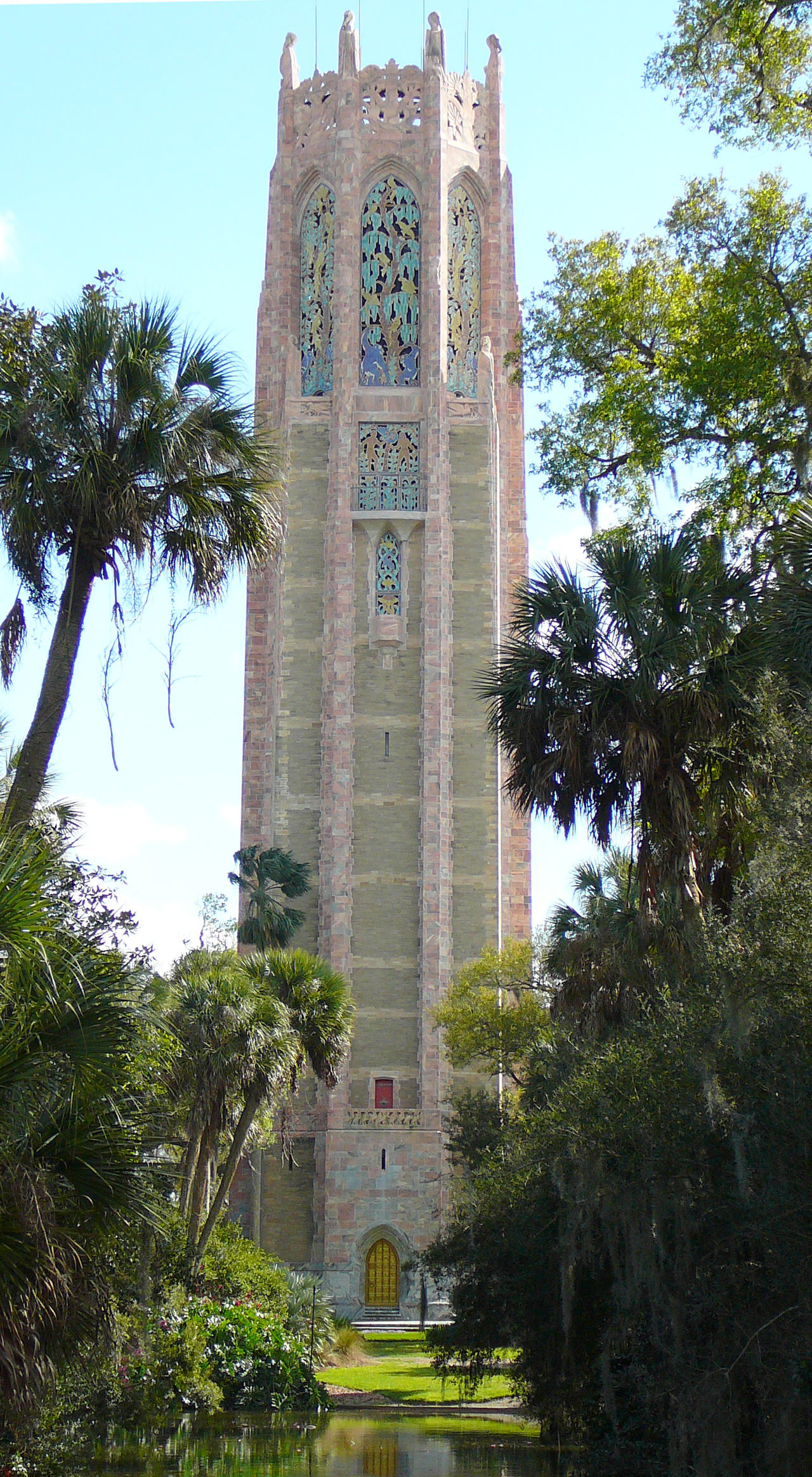
Traditionally tied to citrus and other farming, Lake Wales today mixes agriculture with retail, light industry and tourism. One of the best-known nearby attractions is the Bok Tower Gardens, a landscaped historic site and carillon tower that draws visitors for its architecture and gardens. The city also hosts community events, local shops and arts organizations that serve residents and visitors.
Notable features
- Proximity to the Lake Wales Ridge and unique native habitats.
- Historic downtown area with early-20th-century buildings and local businesses.
- Nearby Bok Tower Gardens, an important cultural and natural attraction.
- Recreational lakes and outdoor opportunities for fishing and boating.
While modest in size, Lake Wales plays a steady role in central Florida's mix of agriculture, conservation and tourism, balancing its rural surroundings with community services and historic character.
Related articles
Author
AlegsaOnline.com Lake Wales, Florida Leandro Alegsa
URL: https://en.alegsaonline.com/art/55588
Sources
- factfinder.census.gov : "American FactFinder"
- geonames.usgs.gov : "US Board on Geographic Names"