
Lakewood, Colorado: overview, history, and community profile
Lakewood is a mid-sized city west of Denver in the Front Range Urban Corridor. This article summarizes its geography, development, economy, culture, and notable features.
Overview
Lakewood is a city in the U.S. state of Colorado located immediately west of Denver. Founded in the late 19th century, it is one of the larger municipalities in Colorado and a principal city of the Denver–Aurora–Lakewood metropolitan area. The city functions as a suburban and commercial center on the eastern edge of the Rocky Mountain foothills and participates in the broader economic and transportation networks of the Front Range Urban Corridor.
Image gallery
5 Images

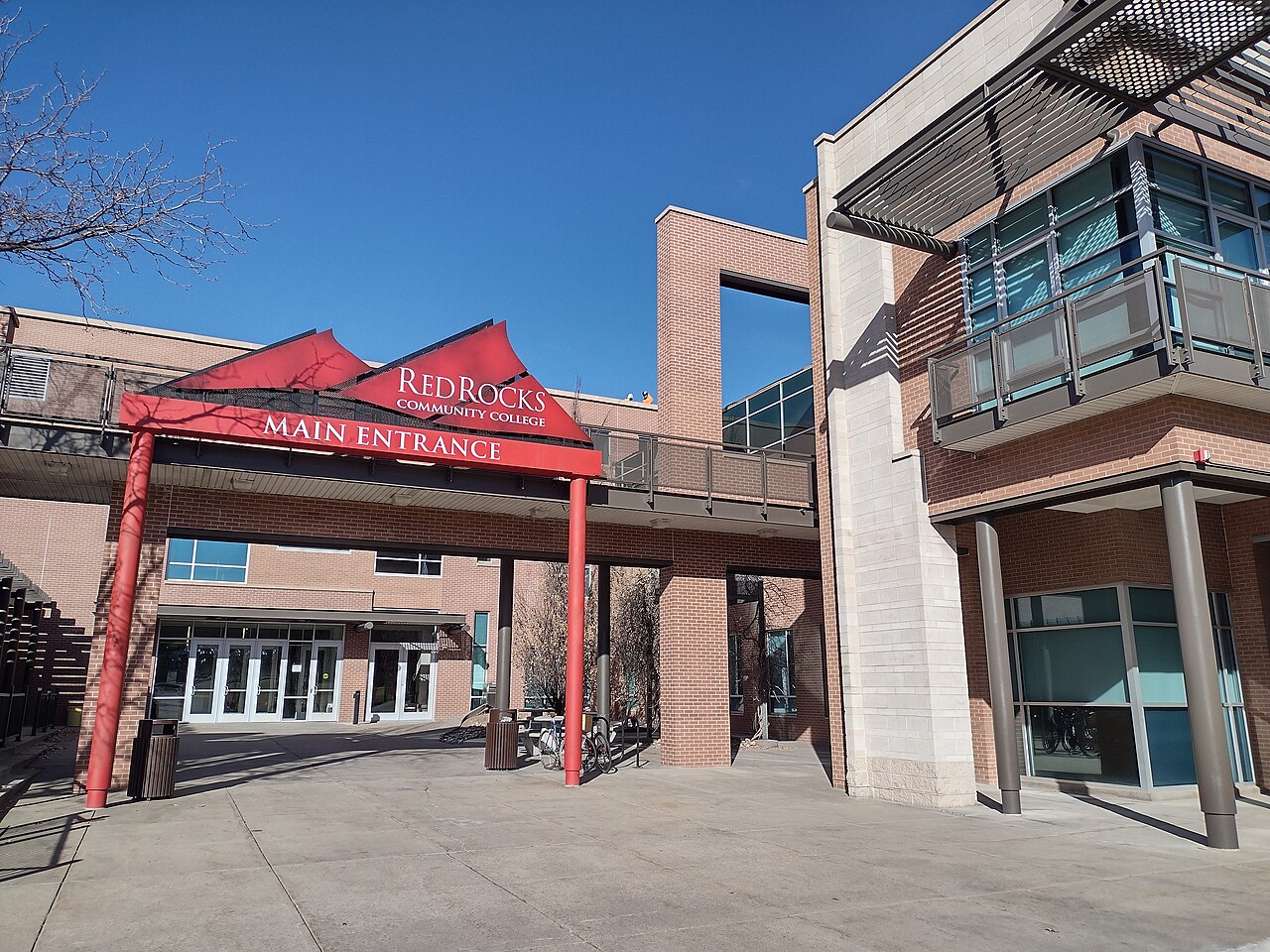
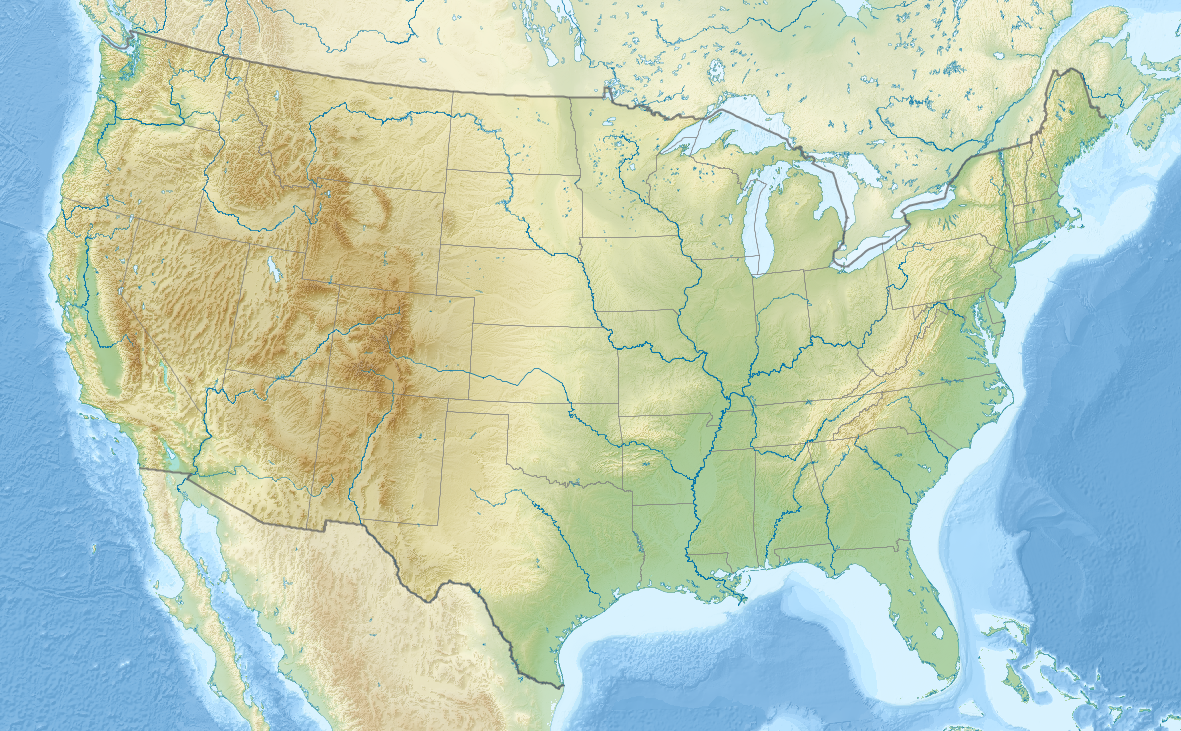

Geography and neighborhoods
Lakewood stretches across a mix of residential neighborhoods, commercial corridors and open space. Its eastern areas are more urban and closely connected to downtown Denver, while the western sections rise toward foothill terrain with scenic views. Neighborhoods and activity centers include longstanding residential districts, newer mixed-use developments and several commercial strips. Parks, trails and reservoirs around and within the city provide outdoor recreation opportunities typical of the Front Range.
History and development
The community that became Lakewood grew from ranches and small settlements in the late 1800s. Incorporated as a city near the end of that century, it expanded substantially during the 20th century with suburban growth tied to Denver's regional expansion. Redevelopment projects in the late 20th and early 21st centuries transformed former commercial and industrial sites into civic, retail and residential uses, reflecting changing patterns of urban land use.
Economy and infrastructure
Lakewood's economy blends local retail, professional services, light industry and public-sector employment. Its location near major highways and transit corridors links the city to metropolitan job centers. Commercial areas host shopping, dining, and small-business activity, while civic investments support libraries, cultural venues and public safety. The city manages utilities, parks and planning through municipal departments and an elected council and mayoral leadership.
Culture, recreation, and notable places
Residents and visitors find cultural programming, community festivals and performing arts at civic venues. Outdoor recreation is prominent: neighborhood parks, regional trail systems and nearby foothills for hiking and mountain biking. Redeveloped districts provide restaurants, shops and public spaces for community gathering. For official information and visitor resources, see the city website: Lakewood official site.
Distinctive facts and role in the region
- Part of the Denver–Aurora–Lakewood metropolitan statistical area and the Front Range Urban Corridor.
- Located directly west of Denver, serving as a transitional zone from urban plains to mountain foothills.
- Combines suburban neighborhoods with civic and commercial centers and significant open-space resources.
Lakewood's identity reflects its position between a major metropolitan core and Colorado's outdoor landscape: a city shaped by suburban growth, ongoing redevelopment, and access to metropolitan amenities and natural recreation.
Related articles
Author
AlegsaOnline.com Lakewood, Colorado: overview, history, and community profile Leandro Alegsa
URL: https://en.alegsaonline.com/art/55613
Sources
- factfinder2.census.gov : "American FactFinder"