
Lake Oswego, Oregon: city overview and community profile
Lake Oswego is a suburban city in Clackamas County, Oregon, named for Oswego Lake. Known for parks, strong schools and an affluent residential community about 8 miles south of Portland.
Lake Oswego is a suburban city in the state of Oregon, located in Clackamas County about eight miles south of Portland. The community takes its name from Oswego Lake, a central natural feature that shapes local recreation and residential development. According to the 2010 census, the city had a population of 36,619; more recent estimates indicate modest growth and demographic change typical of suburban areas near a major metropolitan center.
Image gallery
9 Images


Geography and character
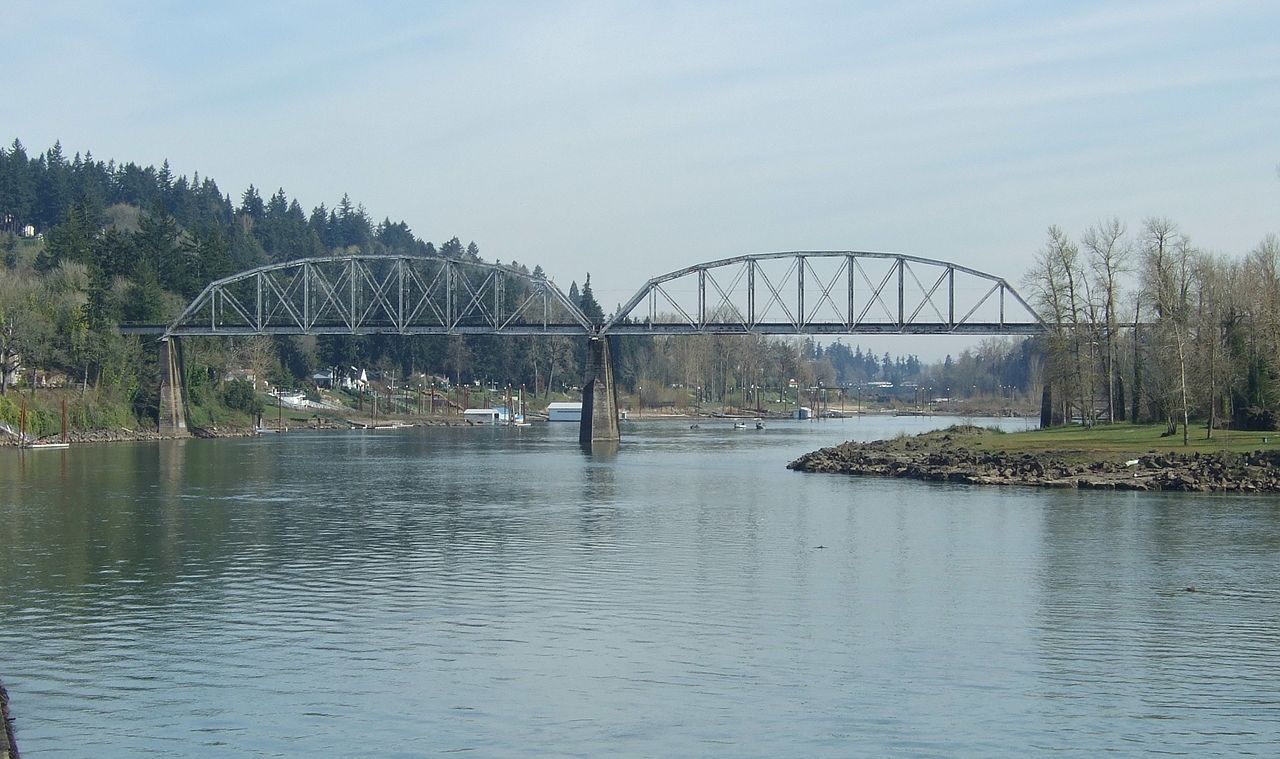
Lake Oswego combines lakeshore neighborhoods, wooded hills, and a compact downtown. The lake itself is a focal point for private and limited public recreation, while public parks, riverfront paths and greenways provide walking, cycling and nature opportunities. Residential areas range from historic districts and mid-century neighborhoods to newer developments; overall the city is known for mature trees, maintained streets and a high standard of local services.
History and development
The place that became Lake Oswego developed in the 19th century with industrial activity centered on iron and later more diversified local businesses. Over the 20th century it evolved into a primarily residential suburb for Portland, attracting families with schools and community amenities. The downtown has been revitalized to include shops, restaurants and cultural programming while retaining elements of its earlier character.
Community, institutions and economy
Lake Oswego is served by the Lake Oswego School District and features community institutions such as a public library, parks department and arts organizations. The local economy is anchored by small businesses, professional services and retail that serve residents; many people commute to the wider Portland region for employment. Notable local amenities include:
- Oswego Lake and lakeside neighborhoods
- Town Center with shops and dining
- Public parks and trail systems
- Active civic groups and cultural events
Notable facts and distinctions
Lake Oswego is often described as an affluent, family-oriented community with strong public schools and high property values relative to the region. It balances suburban residential life with access to urban jobs, and its lakeshore identity and local history continue to influence planning and civic discussions. For further background on regional context, consult state and county resources linked above.
Related articles
Author
AlegsaOnline.com Lake Oswego, Oregon: city overview and community profile Leandro Alegsa
URL: https://en.alegsaonline.com/art/55542
Sources
- thetribonline.net : "City population is up – what will that mean?"