
Lagnicourt-Marcel
Lagnicourt-Marcel is a small commune in the Pas-de-Calais department of northern France. This article covers its location, landscape, historical context, local economy, and notable features.
Overview
Lagnicourt-Marcel is a rural commune in northern France. It is officially recognized as a commune administrative entity and was historically part of the region Nord-Pas-de-Calais. The village lies within the Pas-de-Calais department Pas-de-Calais and forms one of many small municipalities that characterize the agricultural plain of the north of France.
Image gallery
2 Images
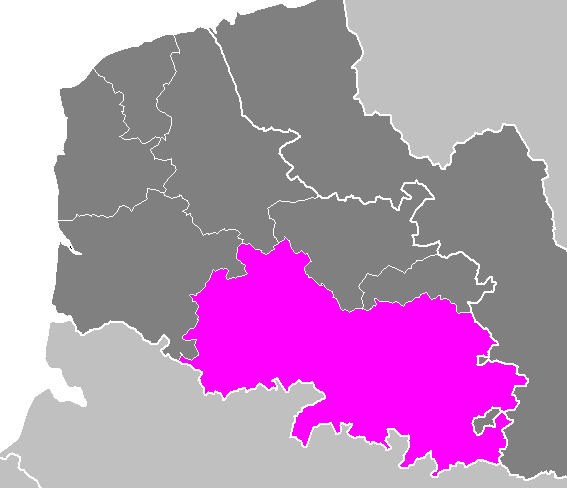
Geography and landmarks
The local landscape is typical of the region: open fields, hedgerows and small patches of woodland surround a compact village core. Built features commonly found in the commune include a town hall, a parish church, a war memorial and several agricultural buildings. Visitors to the area may notice markers and cemeteries that recall the village’s 20th-century history.
History
Like many communities in Pas-de-Calais, Lagnicourt-Marcel experienced disruption during the First World War and underwent reconstruction in the decades that followed. Remnants of that era—cemeteries, memorials and rebuilt civic architecture—are part of the village’s visible heritage. Local historical accounts emphasize community resilience and the gradual recovery of farming and village life in the postwar period regional history.
Administration and economy
The commune is governed at the municipal level by a mayor and council and is connected administratively to broader departmental structures administration. Its economy is predominantly agricultural, with cereal crops, dairy and mixed farming typical of the surrounding countryside. Small local services support residents while larger towns nearby provide additional shops and services.
Notable facts and community life
Although small in size, Lagnicourt-Marcel exemplifies many features of northern French rural communes: active local associations, annual commemorations, and a landscape shaped by farming and history. Its quiet lanes and local landmarks make it representative of the cultural and historical fabric of Pas-de-Calais north France and a point of interest for those studying rural settlement and wartime heritage.
Related articles
Author
AlegsaOnline.com Lagnicourt-Marcel Leandro Alegsa
URL: https://en.alegsaonline.com/art/55379