
Arghanj Khwa District, Badakhshan Province, Afghanistan
Arghanj Khwa is a rural district in northeastern Afghanistan's Badakhshan Province, created in 2005 from part of Yaftali Payan. It is mountainous, sparsely settled, and shares the region's economic and infrastructural challenges.
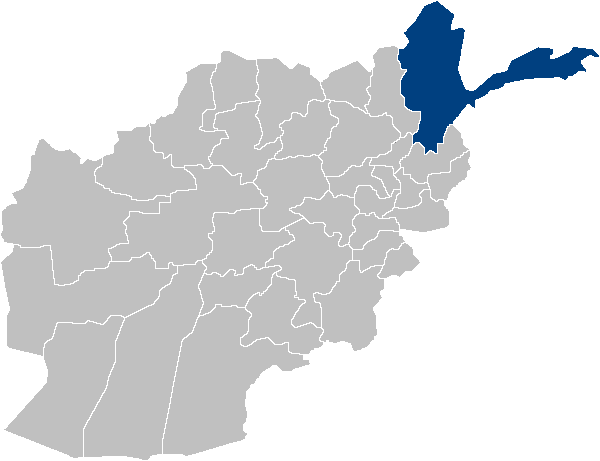
Arghanj Khwa District is an administrative district in northeastern Badakhshan Province of Afghanistan. Established in 2005 through a division of Yaftali Payan District, Arghanj Khwa forms part of a largely mountainous and remote area of the country. It functions as a local level of government within Afghanistan’s provincial system and contains a number of small villages and valleys rather than a single large urban centre.
Image gallery
3 Images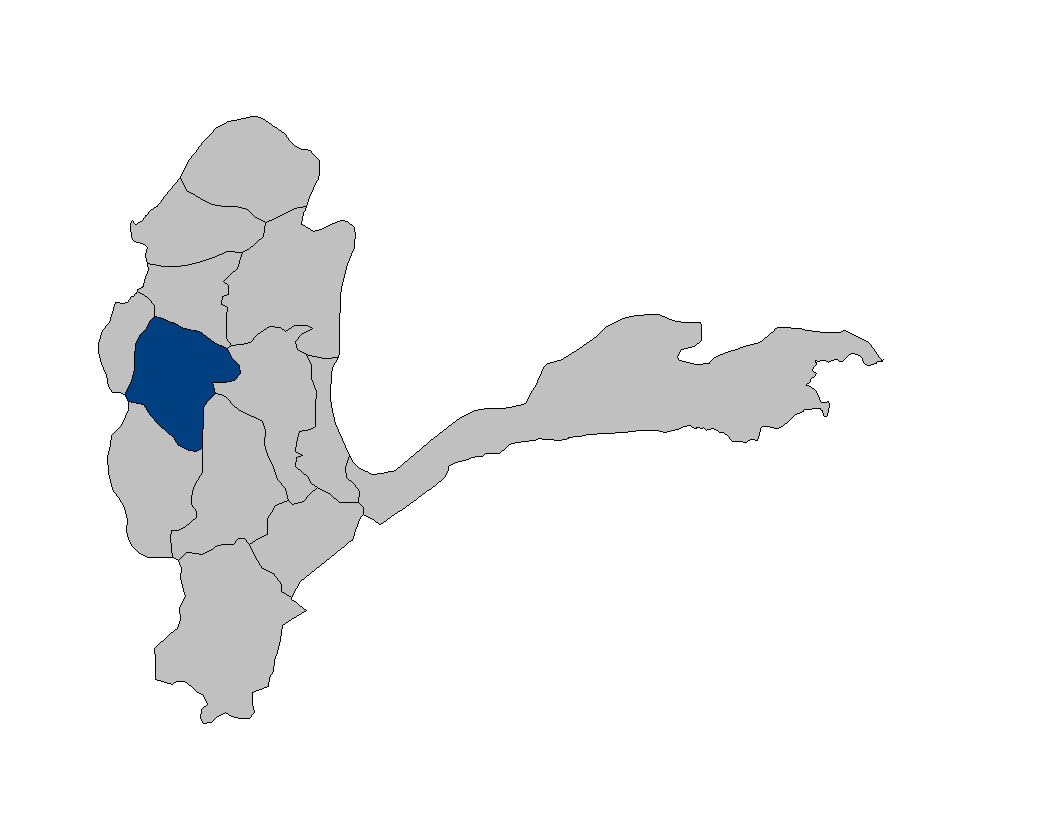

Geography and population
The district lies within the high terrain of Badakhshan, an area characterized by steep valleys, seasonal rivers and high-altitude plateaus that are part of the greater Hindu Kush–Pamir region. Settlements are typically dispersed, with agriculture and animal husbandry practiced where slopes and irrigation permit. The population is small and rural; communities in Badakhshan commonly speak Dari and local Pamiri languages and follow diverse cultural traditions.
History and administrative development
Arghanj Khwa was carved out administratively in 2005 from Yaftali Payan District, itself previously formed from territory of Fayzabad District. The creation of smaller districts in Badakhshan aimed to bring local governance closer to remote communities, improve administrative reach and better reflect local geographic and social realities.
Economy and infrastructure
Economic activity in Arghanj Khwa is principally subsistence agriculture, livestock rearing and small-scale trade. Transportation and communications infrastructure is limited: many roads are unpaved and seasonal, and access to markets, health care and secondary education can require long journeys. Local livelihoods often depend on seasonal patterns and remittances from migrants.
Governance, services and challenges
The district is governed under Afghanistan’s provincial-district framework with a district administration responsible for basic services, security coordination and development planning. Like other remote districts in Badakhshan, Arghanj Khwa faces challenges including limited public services, vulnerability to natural hazards (landslides, winter isolation) and constraints on economic diversification. Humanitarian and development actors periodically work in the province to improve health, education and infrastructure access.
Notable facts and distinctions
- Created in 2005 from Yaftali Payan District to enhance local administration.
- Part of a mountainous region known for its cultural diversity and rugged landscapes.
- Faces typical rural challenges of remoteness, seasonal accessibility and reliance on subsistence livelihoods.
Tags
Related articles
Author
AlegsaOnline.com Arghanj Khwa District, Badakhshan Province, Afghanistan Leandro Alegsa
URL: https://en.alegsaonline.com/art/5486