
Kubla Khan
A concise encyclopedia article on Samuel Taylor Coleridge's poem 'Kubla Khan': its composition, vivid imagery, disputed origins, structure as a fragment, themes, and cultural impact.
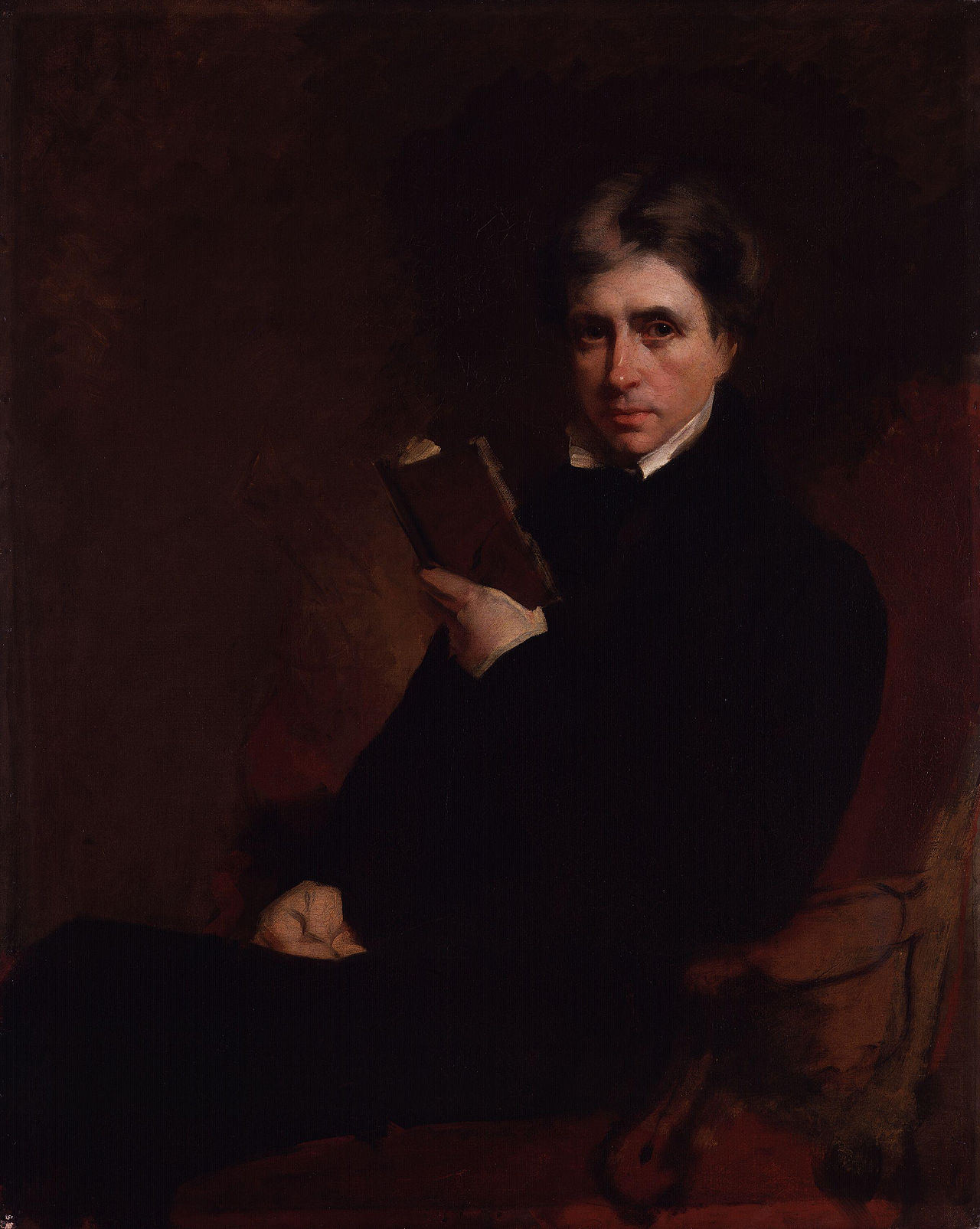
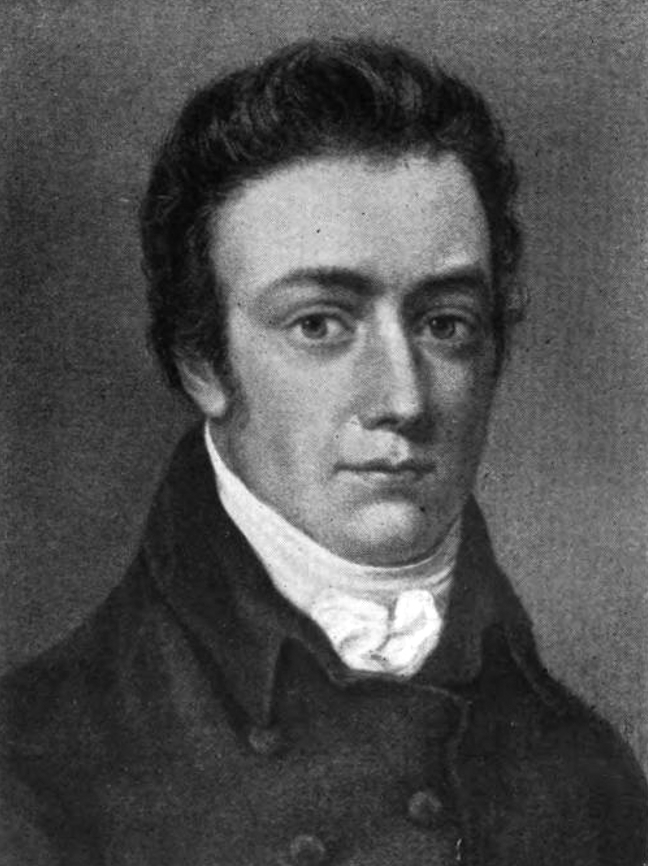
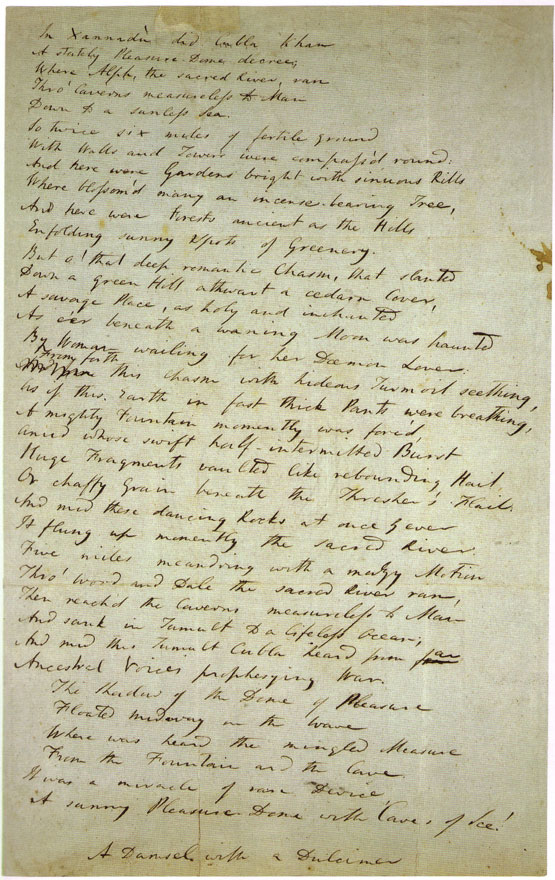
Kubla Khan is a short, highly imagistic poem by Samuel Taylor Coleridge that occupies an important place in English Romantic literature. Coleridge said he began composing it in 1797 and it first appeared in print in 1816 with the subtitle "A Fragment." In a famous preface he attributed the poem’s form to a dreamlike inspiration experienced while under the influence of opium and to an abrupt interruption by a visitor he called the "person from Porlock," a detail that has become part of the poem’s legend and scholarly debate. For background on the poet see Samuel Taylor Coleridge.
Image gallery
10 Images




Content and structure
The poem is usually presented in two connected sections. The opening portion evokes an exotic imperial landscape: a "pleasure-dome" set within gardens and meadows, traversed by a mysterious river named Alph; the later section shifts to a more intimate, lyrical scene centered on an "Abyssinian maid" whose song summons creative power. Though brief and formally irregular, the piece is dense with sensory images, striking juxtapositions, and rhythmic music that invite multiple readings. Readers often consult the poem’s first stanza to sample its richest descriptive passages.
Origins and influences
Coleridge’s subject draws in part on travel narratives and popular accounts of Kublai Khan’s summer capital (Xanadu), known to English readers through earlier collections of voyages and reports. The exotic historic figure and place provided a framework that Coleridge transformed into a visionary scene. While Coleridge’s own story of a narcotic dream and interruption shaped the poem’s mystique, critics have long debated how literal that account is and whether it functions partly as a literary device.
Themes and critical response
Major themes include the imaginative faculty and its relation to nature, the creative act as both construction and destruction, and the limits of expression. The poem’s fragmentary presentation has been read as emblematic of Romantic ideas about inspiration and the unfinished work of the mind. Since its publication, "Kubla Khan" has attracted admiration for its luminous imagery and musical language and has been widely discussed in studies of the sublime, exoticism, and Romantic creativity.
Notable facts and cultural legacy
- Coleridge’s preface has made the "person from Porlock" a cultural shorthand for an unwelcome interruption.
- Although short, the poem has inspired paintings, musical settings, and scholarly debate about authorship and revision.
- Its pairing of historical reference with dream vision exemplifies Romantic experiments with imagination and fragment.
For readers approaching the poem, it is useful to consider both the text and Coleridge’s preface together, and to be aware of the wider Romantic interest in dreams, altered states, and the power of poetic imagination. The poem’s compact intensity and open-endedness are central to its lasting appeal and to the many interpretations it continues to generate.
Related articles
Author
AlegsaOnline.com Kubla Khan Leandro Alegsa
URL: https://en.alegsaonline.com/art/54538