
Kris Kelmi: Soviet and Russian rock and pop musician and composer
Kris Kelmi (Anatoli Arievich Kelmi, 1955–2019) was a Soviet and Russian singer, songwriter and composer, known for hits such as "Night Rendezvous", "Closing the Ring" and "Tired Taxi".

Kris Kelmi was the stage name of Anatoli Arievich Kelmi (Russian: Анатолий Арьевич Кельми), born 21 April 1955 in Moscow. He became a prominent figure in the late Soviet and post‑Soviet popular music scene as a singer, composer and songwriter. Over several decades Kelmi worked both as a solo artist and as a member of bands, composing songs that blended rock and pop sensibilities and that have remained recognizable to many listeners in Russia and other former Soviet states.
Image gallery
2 Images
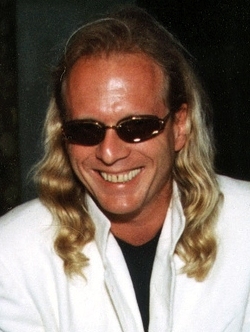
Career and musical style
Kelmi was associated with groups such as Leap Summer and Autograph during his career and also released material under his own name. His songwriting favored catchy melodic hooks and concise, radio‑oriented arrangements, characteristics that helped some of his songs achieve broad public exposure. While rooted in rock, his work often embraced pop structures, making it accessible to mainstream audiences.
Selected songs and collaborations
- "Night Rendezvous" — one of his best known tracks that received airplay on Soviet and later Russian radio.
- "Closing the Ring" — notable for its melodic chorus and lyrical focus.
- "Tired Taxi" — a popular song that entered the repertoire of listeners familiar with late‑20th century Russian pop.
Throughout his life Kelmi collaborated with various musicians and bands, and his recordings reflect a mix of electric and melodic arrangements typical of Soviet rock and pop of the 1970s–1990s. His songs are still cited in surveys of Russian popular music from that era and appear on compilations and playlists that document the period.
Later life and legacy
Kelmi died on 1 January 2019 at age 63. Reports described the immediate cause as cardiac arrest and noted that alcohol‑related health problems were a contributing factor, according to medical reports and press coverage. His death occurred at his home in Moscow Oblast. Observers of Russian popular music remember him for a body of work that captured the crossover between rock and pop in the closing decades of the Soviet period and the early years that followed.
For further reading and discographies consult archived press items and music databases using the references above. A concise list of his most frequently mentioned songs and band affiliations helps place Kelmi within the broader context of Soviet and Russian popular music history.
Related articles
Author
AlegsaOnline.com Kris Kelmi: Soviet and Russian rock and pop musician and composer Leandro Alegsa
URL: https://en.alegsaonline.com/art/54453
Sources
- newlookmedia.ru : «Старый волк» Крис Кельми не промахнулся
- propsevdo.ru : Propsevdo.ru
- actualidad.rt.com : Un músico ruso denuncia que fue atacado por un grupo de budistas en Tailandia
- books.google.ru : Slavic and East European Arts
- kp.ru : Лолита Милявская предложила почтить память Криса Кельми, исполнив его хит «Замыкая круг»
- newlookmedia.ru : Крис Кельми в проекте «МедиаМетрикс»
- lenta.ru : Названа причина смерти Криса Кельми