
Arette (commune in Pyrénées-Atlantiques)
Arette is a mountain commune in the Pyrénées-Atlantiques department of southwestern France. It sits in the Béarn area of the Pyrenees, known for rural landscapes, pastoral traditions and access to outdoor recreation.
Overview
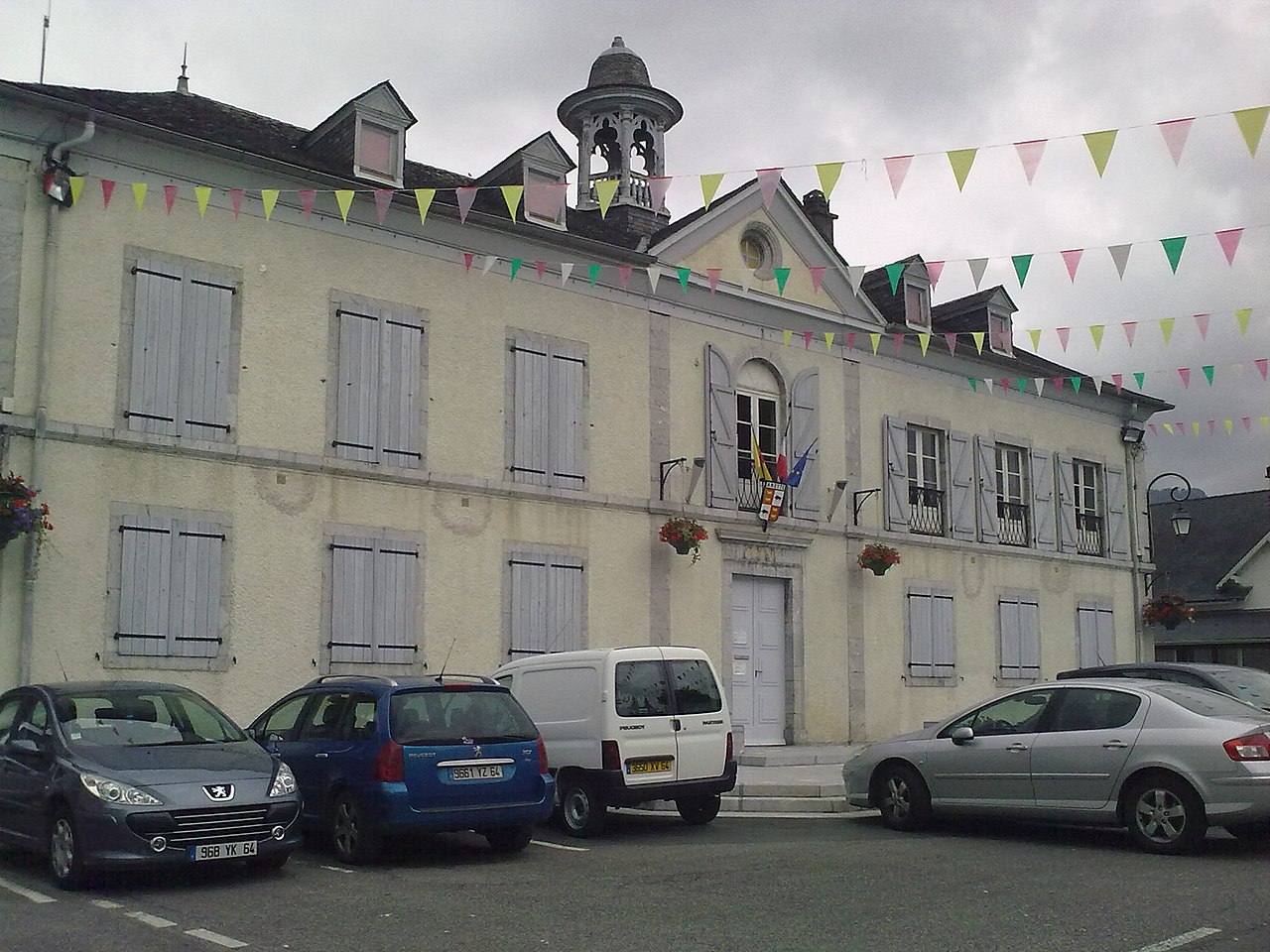
Arette is a rural commune in the foothills of the Pyrenees, in the historic province of Béarn within the Pyrénées-Atlantiques department. The settlement and its surrounding territory combine farmland, woodland and upland pastures typical of mountain villages in southwestern France. Local life reflects long-established agricultural and pastoral activities alongside growing outdoor recreation.
Image gallery
10 Images



Geography and climate
The commune occupies hilly and mountain terrain that rises toward higher peaks and river valleys. Streams and mixed forests are common, and seasonal pastures climb to alpine meadows. The climate is mountain-influenced: generally temperate with colder winters at altitude and warm summers that favour grazing and hiking.
History and culture
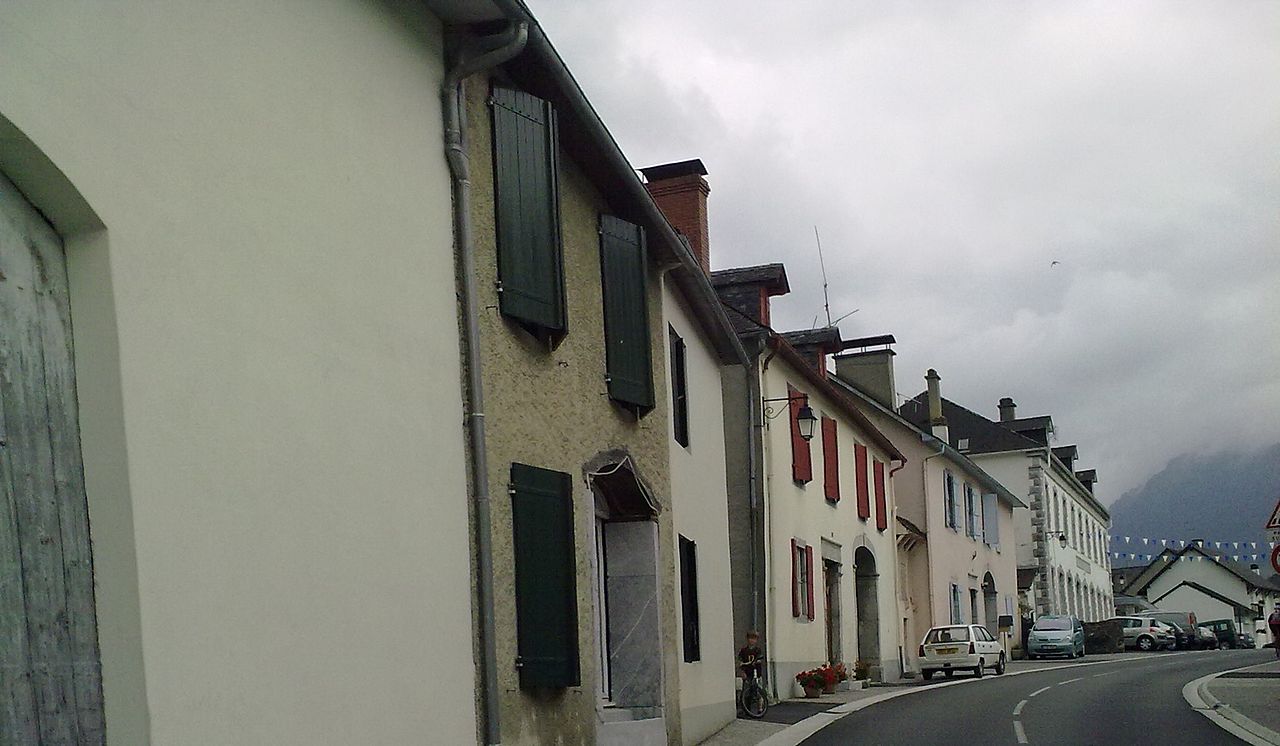
Arette's history follows regional patterns of small-scale farming and pastoral transhumance. Cultural life is influenced by Béarnese traditions in language, cuisine and festivals. Local churches, wayside crosses and vernacular architecture testify to centuries of rural community life.
Economy and recreation
The local economy remains based on agriculture, livestock and forestry, with complementary services and seasonal tourism. Arette serves as a base for walking, mountain hiking and access to nearby ski areas in winter. Visitors come for scenic routes, outdoor sport and quiet village atmospheres rather than large resorts.
Administration and practical information
As a French commune Arette is administered by a mayor and municipal council and links to departmental services. Practical needs such as shops, primary schooling and basic health services are available locally or in nearby towns; more specialised services are found in larger departmental centres. For official information consult departmental resources and administrative pages: department page.
Sights and activities
Points of interest include parish churches, traditional farmsteads and access points for mountain trails. The area provides opportunities for nature watching, seasonal pasture visits and local fêtes that celebrate rural traditions. Outdoor routes suit a range of abilities, from family walks to longer mountain treks.
Further reading and links
Related articles
Author
AlegsaOnline.com Arette (commune in Pyrénées-Atlantiques) Leandro Alegsa
URL: https://en.alegsaonline.com/art/5437
Sources
- commons.wikimedia.org : Arette
- insee.fr : "Populations légales 2016 − Commune d'Arette (64040) | Insee"