
Argences (Calvados) — commune in Normandy, France
Argences is a small commune in the Calvados department of Normandy, northwest France. Rural and historically Norman, it lies near Caen and features agricultural land, local heritage and community life.
Overview
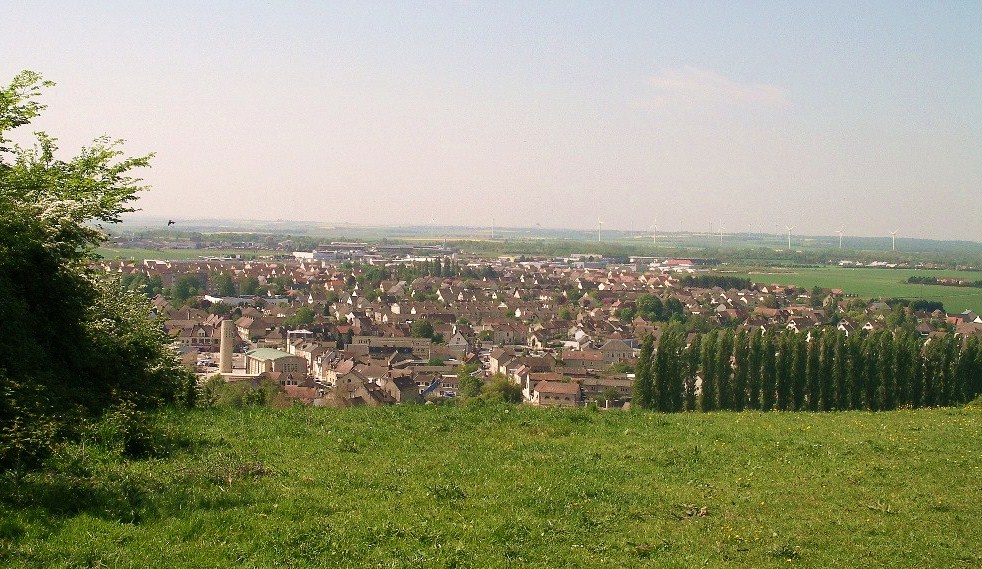
Argences is a small French commune in the Calvados department, historically part of the former administrative region of Basse-Normandie. Today it lies within the modern Normandy region in the Calvados department of northwestern France and forms one of the many local municipalities that surround the city of Caen in northwest of France. The settlement combines rural character with residential areas for commuters to nearby towns.
Image gallery
4 Images


Geography and administration
Argences occupies a modest area of the Normandy plain and bocage: a mixture of open fields, hedgerows and small wooded plots. The local council administers community services typical of French communes, and governance is provided by a mayor and municipal council. Its proximity to Caen gives residents access to urban services while preserving a village atmosphere.
History
The locality reflects the broader history of Normandy: medieval roots, agricultural development, and modern changes in administration. Like many Calvados communities, Argences experienced social and economic shifts through the centuries and was affected by the regional upheavals of modern times, including wartime events that reshaped the area in the 20th century.
Landmarks and built environment
The village landscape features a parish church and traditional Norman houses, with stone and timber-framed architecture visible in older buildings. Small war memorials, rural lanes and local farms contribute to the commune’s character, and conservation of historic elements is a local priority.
Economy and transport
Argences’ economy is dominated by agriculture and small businesses. Many residents commute to Caen and surrounding towns for employment, education and services. The commune is served by regional roads and public transport links that connect it to larger transport hubs.
Culture and community life
Local life centers on municipal events, community associations and seasonal agricultural rhythms. Argences represents a typical Norman commune where heritage, local governance and proximity to an urban centre combine to shape daily life and identity.
- See local municipal resources for current practical information and contacts: municipal page.
- Regional context and history: Basse-Normandie background, Calvados department, northwestern France overview.
Related articles
Author
AlegsaOnline.com Argences (Calvados) — commune in Normandy, France Leandro Alegsa
URL: https://en.alegsaonline.com/art/5453