
Koszalin — city of northwestern Poland
Koszalin is a regional city in northwestern Poland, near the Baltic coast. It is a local administrative, cultural and transport centre with a mixed Polish and German heritage and a riverside urban core.

Image gallery
10 Images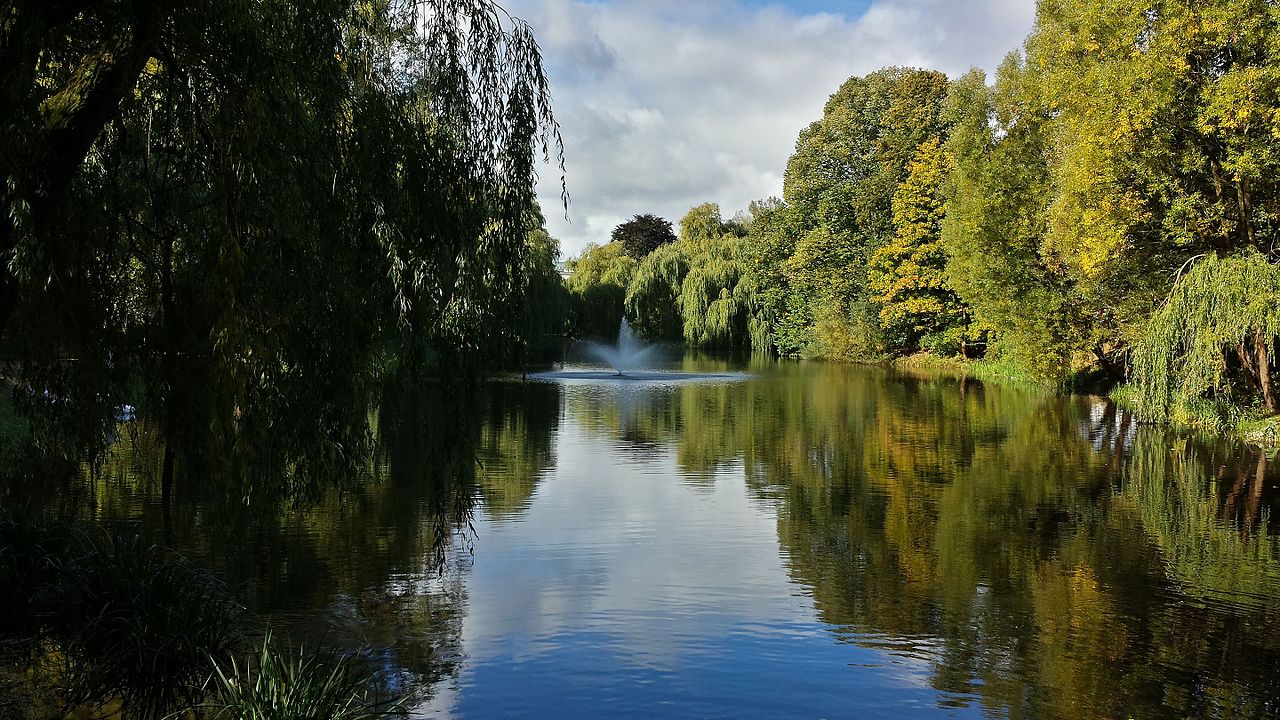


Geography and urban character
Koszalin occupies a low-lying area a short distance from the shore, with a green belt of parks and partly forested hills on its periphery. The river that runs through the city divides older quarters and newer housing estates, and several municipal parks and promenades follow its banks. The proximity to the coast shapes local leisure and tourism: sandy beaches, seaside resorts and coastal trails are easily reached by road from the city.
History and development
The settlement that became Koszalin developed in the medieval era as part of the Pomeranian region and later came under German cultural and political influence; its German name is well attested in historical sources. Like much of Pomerania, Koszalin experienced shifts in sovereignty and population over centuries. After World War II the city became part of the modern Polish state; the postwar period brought administrative reorganization, reconstruction and demographic change as Polish institutions and residents established new civic structures.
Economy, institutions and culture
Koszalin functions as a regional service and administrative hub. Its economy mixes public administration, education, healthcare, retail and light industry. The city hosts cultural venues such as theatres, galleries and music festivals, and it is a local centre for higher education and vocational training. Transport links include regional roads and rail connections that link Koszalin with larger urban centres and with coastal towns, supporting both commuter and tourist travel.
Notable features and distinctions
- Regional administrative role: long-standing seat of county-level government and, historically, a voivodeship centre in the 20th century.
- Cultural blend: architectural traces and place names reflect a mixed Polish and German heritage.
- Access to the Baltic coast makes it an inland gateway for seaside tourism and recreation.
- Local green spaces and riverside promenades contribute to urban quality of life.
For visitors and researchers Koszalin offers a compact urban core, museums and regular events while serving as a practical base for exploring the coastal landscapes and historical sites of Western Pomerania.
Related articles
Author
AlegsaOnline.com Koszalin — city of northwestern Poland Leandro Alegsa
URL: https://en.alegsaonline.com/art/54338
Sources
- bdl.stat.gov.pl : "Local Data Bank"
- gov.genealogy.net : "Former Territory of Germany"