
Kosciusko County, Indiana
Kosciusko County in northern Indiana centers on Warsaw and a chain of lakes. Known for agriculture, light manufacturing and recreation, it takes its name from Tadeusz Kościuszko and had 77,358 residents in 2010.
Overview
Kosciusko County is a county in the United States, located in the state of Indiana. The county seat is Warsaw, a regional center for services and light industry. According to the 2010 census, the population was recorded as 77,358, a figure useful for historical comparison when studying growth and demographic change.
Image gallery
2 Images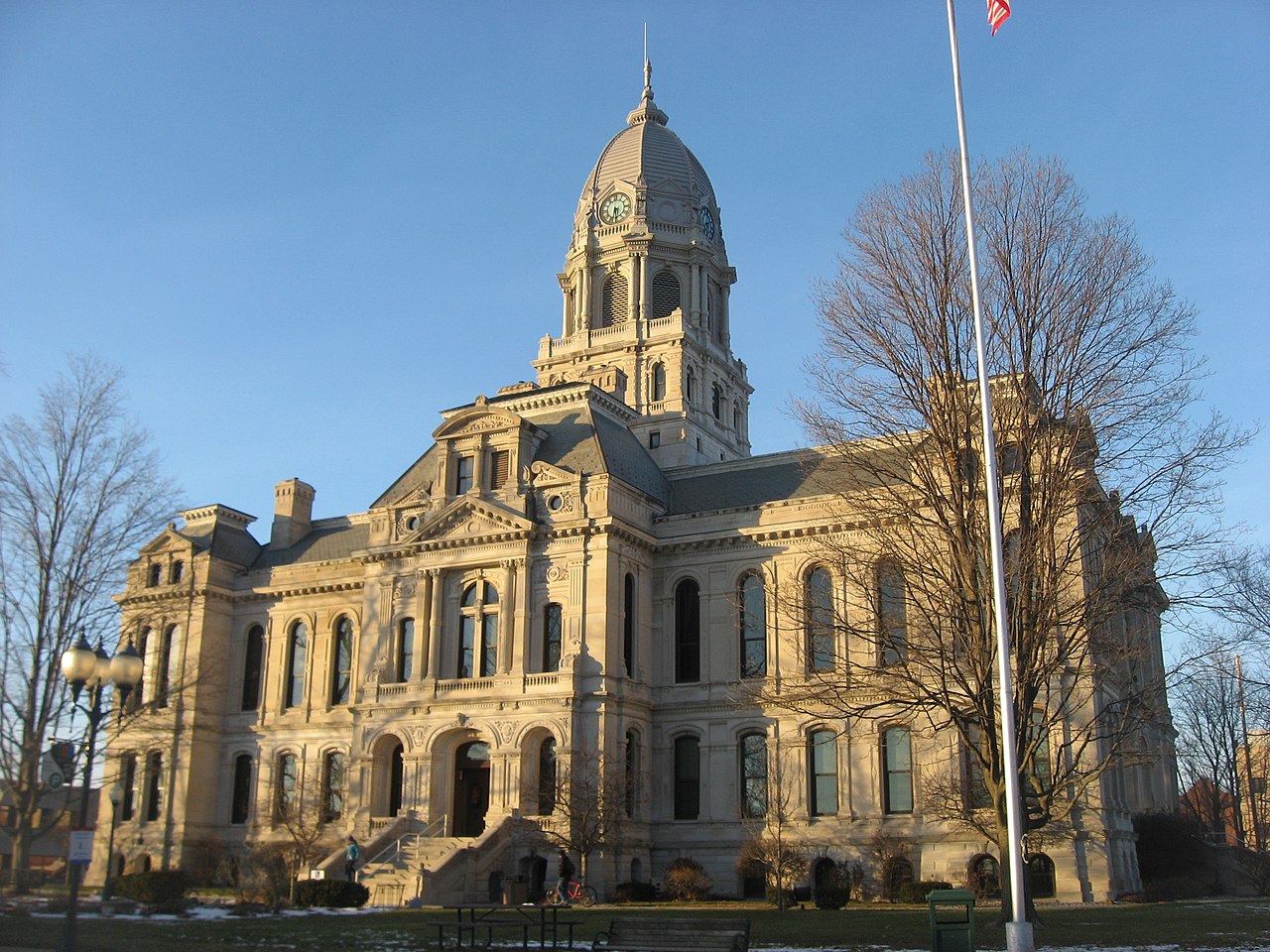
Geography and natural features
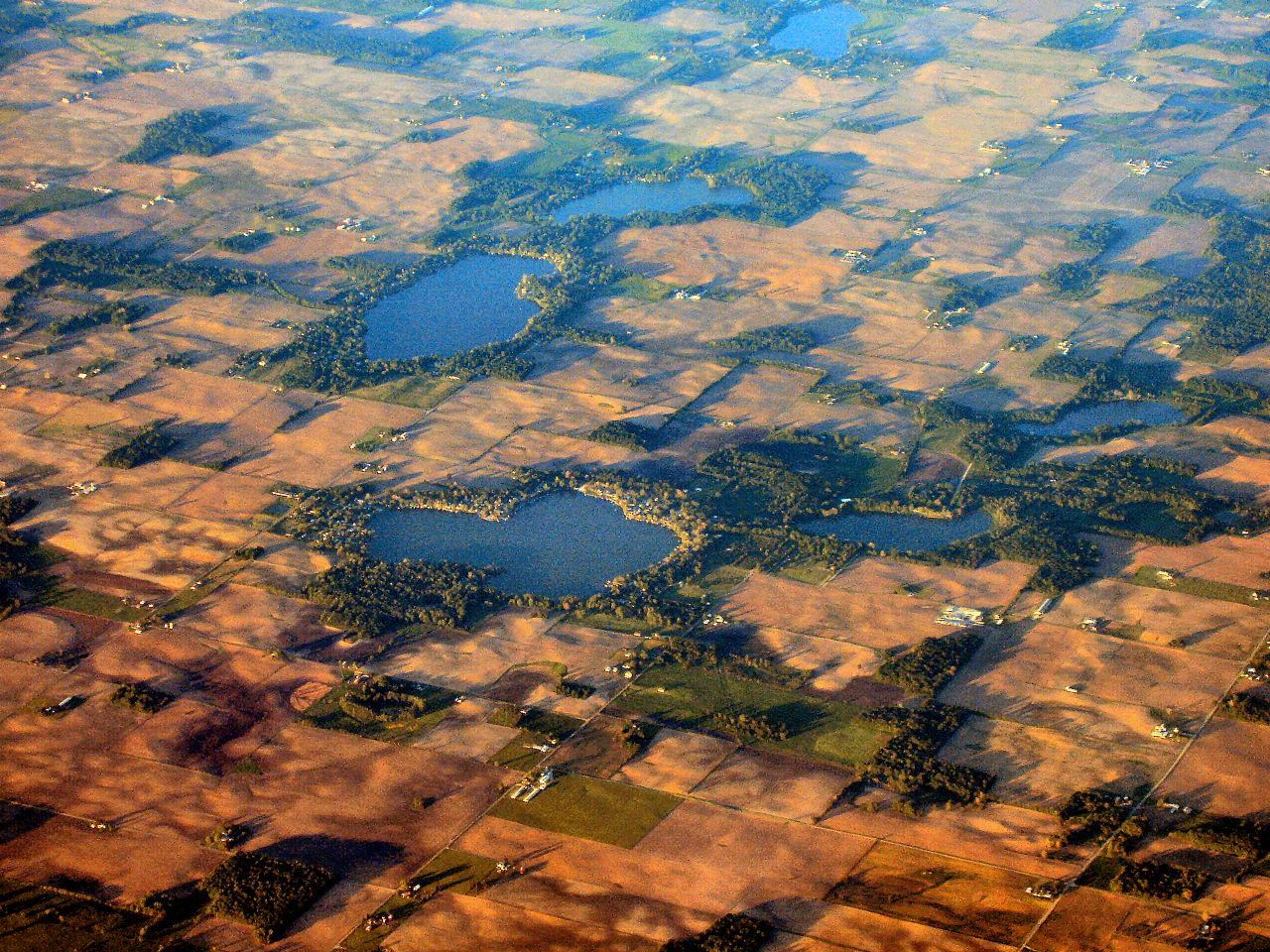
The county occupies part of north-central Indiana and is characterized by a mixture of farmland, small towns and numerous lakes. It includes several popular lake destinations; most notably Lake Wawasee, the largest natural lake in Indiana, and the smaller but culturally significant Winona Lake. These water bodies support boating, fishing and seasonal tourism, shaping local land use and recreation.
History and name
Established in the 19th century, Kosciusko County was named in honor of Tadeusz Kościuszko, a Polish-Lithuanian military engineer and hero of the American Revolutionary War. Its settlement followed wider patterns of Midwestern development: clearing and cultivation, growth of small towns, and later diversification into manufacturing and services centered around county towns such as Warsaw.
Economy and community life
The local economy blends agriculture, light manufacturing and commerce tied to the lakes and county seat. Warsaw serves as a hub for health care, retail and small industry while seasonal visitors support hospitality and recreation businesses. Community institutions include schools, churches and civic organizations that anchor the county’s towns and rural neighborhoods.
Notable facts and uses
- Recreation: lakes and parks provide boating, fishing and waterfront events.
- Agriculture: surrounding farmland produces corn, soybeans and specialty crops.
- Civic: Warsaw functions as the county seat and administrative center.
For further local data, government services and historical resources consult county records and regional planning materials via official pages and local archives. This overview highlights the county’s mix of natural attractions, historical roots and contemporary community roles within Indiana.
Related articles
Author
AlegsaOnline.com Kosciusko County, Indiana Leandro Alegsa
URL: https://en.alegsaonline.com/art/54319
Sources
- quickfacts.census.gov : "Kosciusko County QuickFacts"
- naco.org : "Find a County" · web.archive.org