
Korean Broadcasting System (KBS)
KBS is South Korea's national public broadcaster, tracing roots to 1927. It operates multiple television and radio services, produces news, drama and cultural programming, and promotes Korean culture worldwide.
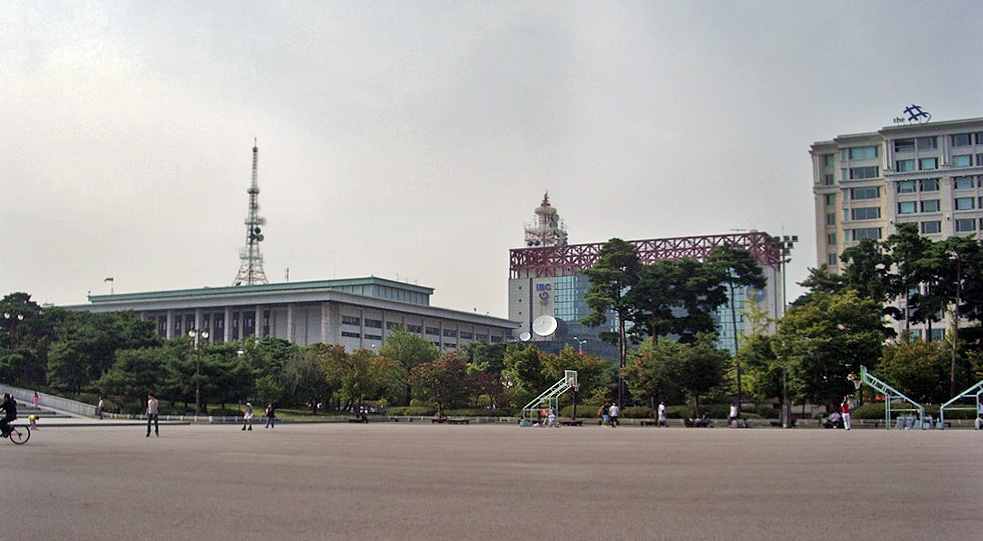
Korean Broadcasting System (KBS) is the national public broadcaster of South Korea. Tracing its origins to early radio transmissions in 1927, KBS today serves domestic and international audiences from its headquarters in the Yeouido district of Seoul. It is widely recognized for a mix of public-service journalism, educational content, popular entertainment and cultural programming.
Image gallery
5 Images


Purpose and remit
KBS operates under a public-service mandate: to inform, educate and entertain while safeguarding cultural heritage and reflecting diverse viewpoints. Its stated goals include nurturing broadcasting standards, promoting national culture, and supporting the international spread of Korean culture through programs aimed at global viewers.
Services and organization
- Television: Multiple domestic channels provide news, public affairs, drama, and entertainment; dedicated international channels deliver Korean-language and subtitled content overseas.
- Radio: National and regional radio networks cover news, talk, music and specialized cultural shows.
- Digital: Online streaming, on-demand archives and international simulcasts extend KBS content to global audiences.
Well-known outlets include a public-service channel focused on news and culture, a channel oriented toward entertainment and popular drama, and internationally branded services that bring Korean programming to overseas viewers.
History and development
From early 20th-century radio beginnings, KBS evolved into a broad multimedia organization across the 20th and 21st centuries. It expanded television services, built regional production centers, and adapted to digital distribution and subtitling to reach diaspora and international fans of Korean culture.
Role and significance
KBS plays a central role during national events and elections by providing widely viewed news and live coverage. Its dramas and cultural programs have contributed to Korea's cultural influence abroad, while its public archives and educational programming serve long-term cultural preservation and civic education goals.
For visitors, KBS's corporate and public facilities are based in Yeouido; see the KBS headquarters location for more details: Yeouido headquarters.
As a public broadcaster, KBS is distinct from commercial networks in its statutory responsibilities and mixed funding model, combining public license fees and commercial revenue to support its broad range of services.
Questions and answers
Q: What is KBS?
A: KBS stands for Korean Broadcasting System, which is one of the public broadcasting networks established in 1927, headquartered in Yeouido district of Seoul.
Q: Where is the headquarters of KBS located?
A: The headquarters of KBS is located in the Yeouido district of Seoul.
Q: What is the purpose of KBS?
A: The purposes of KBS can be divided into 3 parts: making good broadcasting culture, creating national culture, and globalization of Korean culture.
Q: When was KBS established?
A: KBS was established in 1927.
Q: What kind of television network is KBS?
A: KBS is one of the biggest South Korean television networks.
Q: What is the Hangul and Hanja names for KBS?
A: The Hangul name for KBS is 한국방송공사, and the Hanja name is 韓國放送公社.
Q: What does KBS aim to do in terms of Korean culture?
A: KBS aims to globalize Korean culture as well as create and promote national culture.
Related articles
Author
AlegsaOnline.com Korean Broadcasting System (KBS) Leandro Alegsa
URL: https://en.alegsaonline.com/art/54277