
Arenal Volcano National Park — Costa Rica's volcanic reserve
Arenal Volcano National Park protects a prominent conical volcano and surrounding rainforest in northwest Costa Rica. The park is known for its biodiversity, hiking trails, scenic viewpoints and role in ecotourism.
Arenal Volcano National Park occupies a volcanic landscape in the northwestern part of Costa Rica, framed between the high passes of the Tilarán Mountain Range and the lowland plains of San Carlos. The protected area includes forested slopes, lava fields and viewpoints that look toward the volcano’s cone and the nearby human communities; a portion of the park administratively lies within the San Ramón district. The site is managed to conserve both geological features and native ecosystems.
Image gallery
4 Images


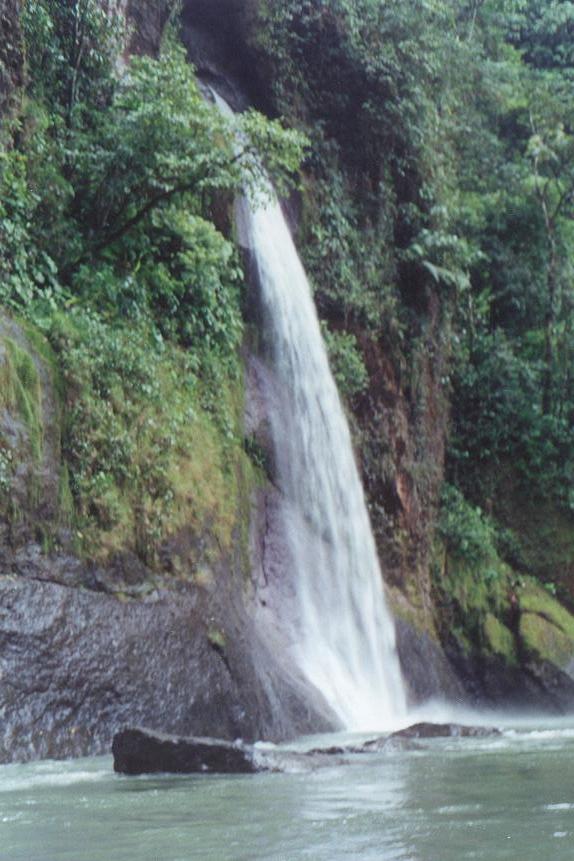
Geology and natural features
The park centers on a prominent stratovolcano with a steep, symmetrical cone and a complex volcanic history. Past eruptions reshaped local topography and produced lava flows and ash deposits that are still visible on trails. Surrounding the volcano are transitional forests that vary with elevation, offering a mosaic of habitats from humid tropical lowland vegetation to cloud-influenced forest nearer the ridgelines.
Flora, fauna and ecosystems
Arenal supports diverse plant life, including emergent trees, understory palms and epiphytes, and provides habitat for mammals, numerous bird species, reptiles and amphibians. The juxtaposition of ridges and plains creates wildlife corridors and microclimates that favor both common and range-restricted species, making the park valuable for conservation and biodiversity study.
Human use and recreation
Visitors come for hiking, wildlife watching, photography and educational outings. Trails and lookout points lead to old lava flows and good vantage points for observing landforms. Nearby communities offer services and hot springs that are part of the region’s tourism draw. The park is also used by scientists studying volcanic processes and tropical ecology.
Management, history and significance
The area became a protected park to preserve geological features and native ecosystems while allowing controlled recreation. Historic eruptions altered local settlements and vegetation patterns, and more recent declines in eruptive activity have changed visitor access and research priorities. Park authorities balance public use, habitat protection and coordination with local municipalities.
Visiting and practical notes
- Common activities: guided hikes, birdwatching, viewing lava-scarred terrain and visiting educational centers.
- Best practices: stay on marked trails, respect closures for safety, and support local conservation efforts.
- Further information: see official park resources and regional guides for access and seasonal advisories — park information.
As one of the region’s most recognized volcanic parks, Arenal remains a focal point for Costa Rica’s natural heritage, ecotourism and ongoing study of tropical volcanic landscapes.
Related articles
Author
AlegsaOnline.com Arenal Volcano National Park — Costa Rica's volcanic reserve Leandro Alegsa
URL: https://en.alegsaonline.com/art/5424