
Arequipa — the White City of southern Peru
Arequipa is a major city in southern Peru, noted for its white volcanic stone architecture, a UNESCO-listed historic centre, nearby volcanoes, distinctive cuisine, and regional economic role.

Arequipa is a principal city in southern Peru and the administrative centre of the surrounding Arequipa Region. Perched on a high volcanic plateau, it is widely known by the nickname "White City" because many of its historic buildings are carved from light-colored volcanic tuff called sillar. The city's setting beneath several striking volcanoes gives it a dramatic skyline and influences both climate and local culture.

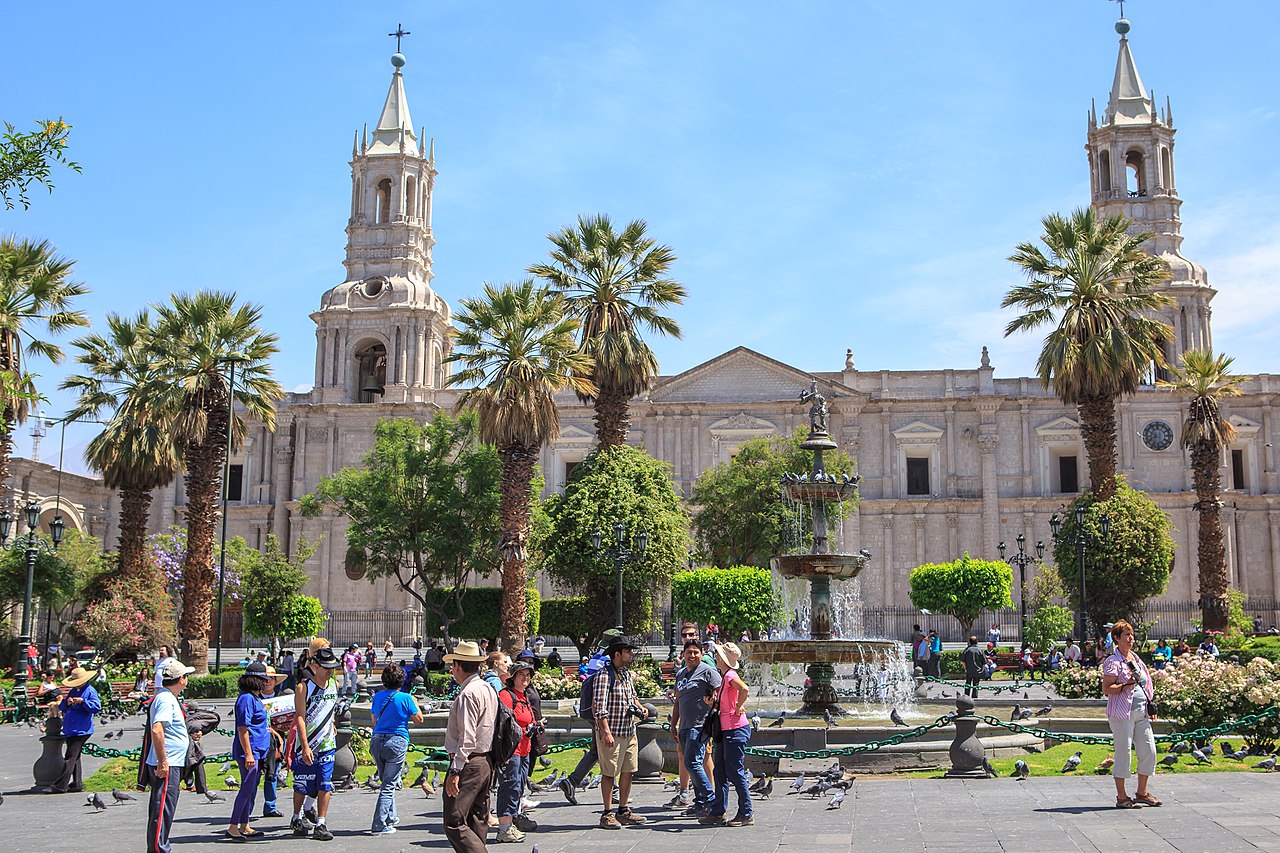
The historic centre of Arequipa preserves an array of colonial-era landmarks: a broad central square, ornate churches, convents and civic buildings constructed in a regional baroque style with local carving traditions. One of the best-known religious complexes is the Santa Catalina Monastery, a city-within-a-city notable for its colorful cloisters and centuries of continuous use. In recognition of its architectural unity and cultural importance, parts of Arequipa's historic district are protected as a World Heritage Site.
Image gallery
10 Images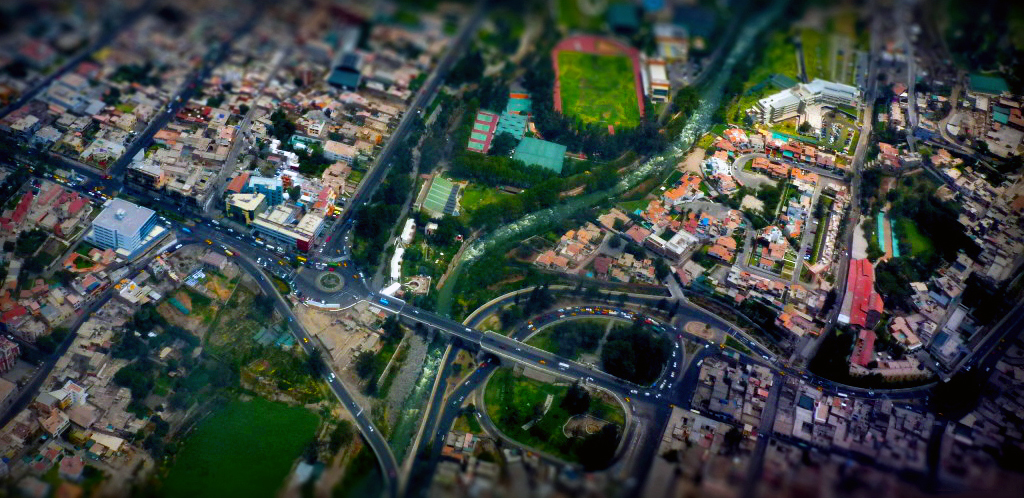


Geography and landmarks
Arequipa lies on an elevated plain surrounded by volcanic peaks such as El Misti, Chachani and Pichu Pichu. These volcanoes shape local drainage and soils, and they appear frequently in the city's imagery. Public spaces, museums and walking routes through cobbled streets make the historic centre accessible to visitors and residents alike.
History and development
The site has pre‑Columbian origins and afterwards became an important colonial outpost when Spanish settlers established the modern city in the 16th century. Over ensuing centuries Arequipa grew as a regional commercial, political and religious hub, blending indigenous and European traditions in its art, architecture and civic life.
Economy, culture and cuisine
Today Arequipa functions as an economic centre for agriculture, manufacturing, commerce and services that serve the surrounding region. Cultural life includes festivals, museums, and a distinctive culinary tradition featuring local ingredients and signature dishes that draw both domestic and international visitors. The combination of natural scenery, historic architecture and vibrant street life make the city a focal point for tourism in southern Peru.
Notable features
- Extensive use of sillar, the pale volcanic stone giving the city its nickname.
- UNESCO-listed historic centre with important colonial monuments.
- Proximity to prominent volcanoes that dominate the landscape.
- Historic monasteries, churches and a lively local gastronomy.
Related articles
Author
AlegsaOnline.com Arequipa — the White City of southern Peru Leandro Alegsa
URL: https://en.alegsaonline.com/art/5430