
Arequipa Region (Peru)
Arequipa Region in southern Peru is a varied landscape of volcanoes, highlands and coastal plains. Its capital, Arequipa city, is famed for sillar architecture, colonial heritage and regional cuisine.
Arequipa Region occupies a dramatic portion of southern Peru, stretching from coastal valleys to high Andean plateaus. The regional capital, the city of Arequipa, serves as the economic and cultural hub. Indigenous names in local languages reflect a long human presence; for example, an Aymara form is sometimes recorded in linguistic sources Aymara name.

Image gallery
3 Images

Geography and landscape
Arequipa’s terrain ranges from arid coastal lowlands and productive river valleys to high volcanic peaks. The region is characterized by prominent volcanoes and steep canyons carved by Andean rivers. This geographic variety supports agriculture in irrigated valleys, pastoralism in higher areas, and ports on the coast.
Notable features
- Major volcanoes: El Misti, Chachani and Pichu Pichu, which shape the skyline around the capital.
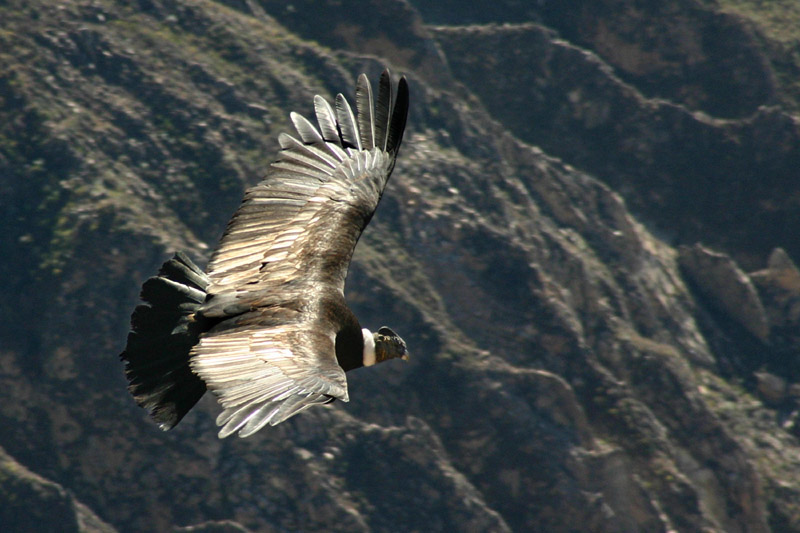
- Colca Canyon in the highlands, known for its depth and Andean condor sightings.
- Historic urban center of Arequipa, built largely from white volcanic stone called sillar.

History and architecture
The Spanish colonial era left a dense legacy of baroque churches, cloisters and civic buildings concentrated in the capital’s historic core, which has been recognized internationally for its preservation. Pre-Columbian and colonial-era irrigation systems and terraces also testify to long-standing adaptation to the region’s climates.
Economy and culture
Economic activity includes agriculture (irrigated crops and livestock), mining, manufacturing and port trade. Tourism centered on natural landmarks, colonial architecture and regional cuisine is important. Local dishes such as chupe (soups) and spicy stews reflect Andean and coastal influences, and festivals combine religious and indigenous traditions.
Administration and significance
Arequipa is one of Peru’s administrative regions and is subdivided into provinces that include the capital province and highland districts such as Caylloma, home to Colca Canyon. It plays a significant role in southern Peru’s transport, industry and cultural identity, while also drawing researchers and visitors interested in geology, colonial history and Andean life. For general regional information see regional overview and for country context see Peru.
Tags
Related articles
Author
AlegsaOnline.com Arequipa Region (Peru) Leandro Alegsa
URL: https://en.alegsaonline.com/art/5429