
Kōnin era (810–824): early Heian period years of Saga and Junna
Kōnin (弘仁) was a Japanese era name from 810 to 824 CE during the early Heian period, spanning the reigns of Emperors Saga and Junna and marking political, cultural, and administrative developments at court.
The Kōnin era (弘仁, Kōnin) is a Japanese era name (nengō) that ran from September 810 until January 824 in the early Heian period. Era names in Japan serve as titles for stretches of years and are changed for a variety of political, ritual, or auspicious reasons. The characters 弘 (kō) and 仁 (nin) together convey ideas of broad benevolence and humane governance, signaling the court's aspirations when the name was adopted.
Image gallery
3 Images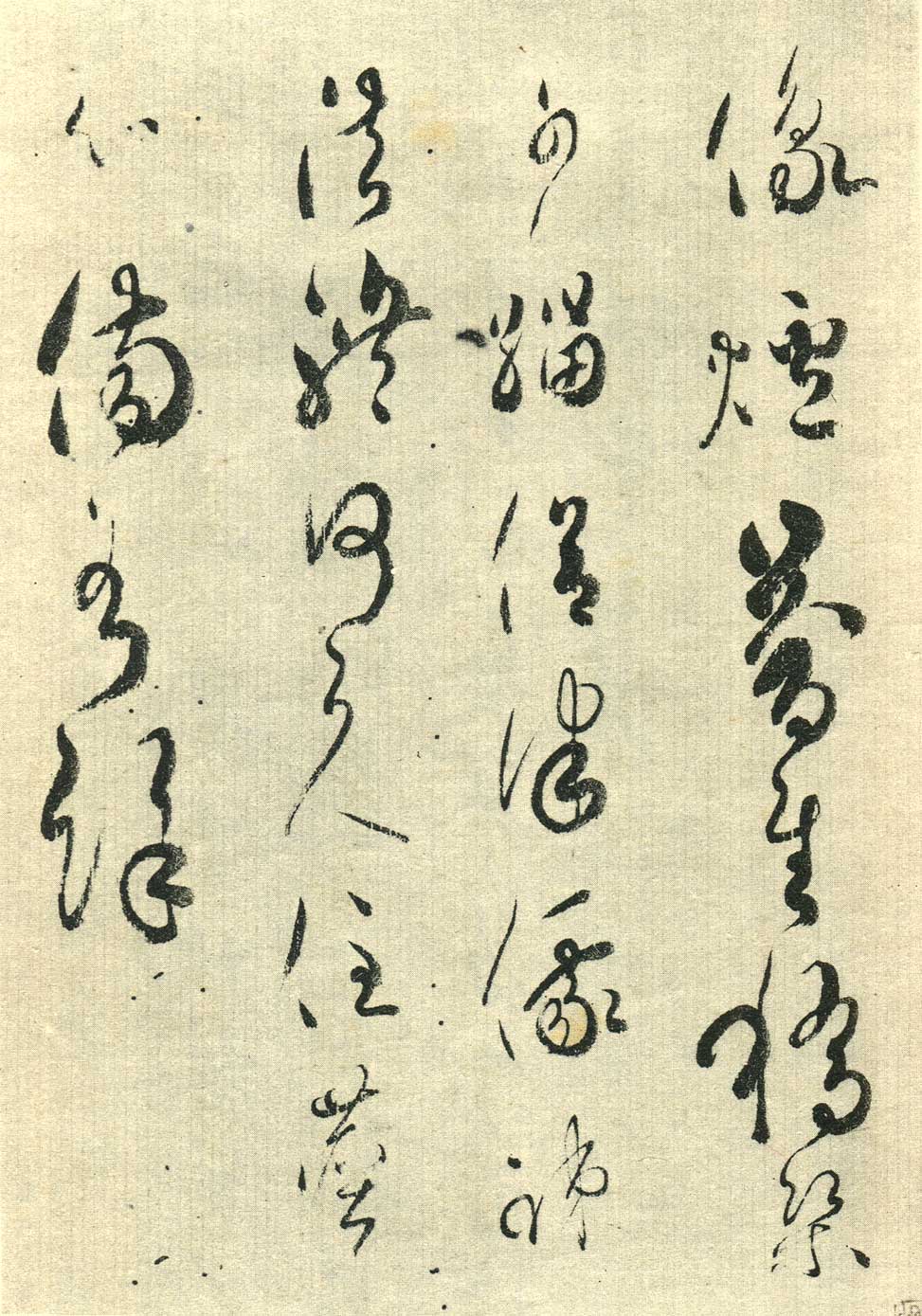


Quick facts
- Era: Kōnin (弘仁)
- Dates: 810–824 CE
- Preceded by: Daidō
- Succeeded by: Tenchō
- Principal rulers during the era: Emperor Saga and Emperor Junna
Politically, Kōnin falls within the early centuries of Heian-kyō (modern Kyoto) as the imperial court consolidated its institutions following the capital's move in 794. During this era, Emperor Saga, who had significant interest in culture and scholarship, was the central figure until his abdication late in the period. He was succeeded by his brother, Emperor Junna, whose reign began as Kōnin drew to a close.
Culturally and administratively, the early Heian court fostered literary production, poetry gatherings, and the study of Chinese classics. The period saw continued development of court ritual, bureaucracy, and patronage networks among aristocratic families. Buddhism remained an important force at court and in provincial life, influencing art, ritual practice, and the sponsorship of temples.
In calendrical and historical usage, Kōnin is referenced in chronicles, official records, and later histories to locate events within the imperial timeline. Historians use era names like Kōnin to organize political developments, genealogies of emperors, and cultural changes of the Heian period. For concise reference on the era-name system and its place in Japanese chronology, see the entry on nengō.
For further reading and primary-source notices about the reigns and policies of the emperors who ruled during Kōnin, consult specialized histories and translated chronicles. Useful starting points include general surveys of the Heian court and biographies of Emperor Saga and Emperor Junna, as well as chronological listings that show the transition from Daidō to Tenchō. Additional resources on era names and periodization are available through scholarly overviews and reference works about nengō.
Related articles
Author
AlegsaOnline.com Kōnin era (810–824): early Heian period years of Saga and Junna Leandro Alegsa
URL: https://en.alegsaonline.com/art/54204
Sources
- books.google.com : Japan Encyclopedia
- books.google.com : Japan Encyclopedia
- books.google.com : Japan Encyclopedia
- books.google.com : Japan Encyclopedia
- books.google.com : Nipon o dai itsi ran: ou Annales des empereurs du Japon
- kunaicho.go.jp : Ceremony of Accession (Sokui-no-Rei)