
Kobayashi Issa — Japanese haiku poet and diarist (1763–1827)
Kobayashi Issa was a Japanese haiku poet and diarist, renowned for humane, compassionate, and often humorous verse about everyday life; regarded as one of Japan’s four great haiku masters.
Overview
Kobayashi Issa (小林 一茶, 1763–1827) is one of Japan’s most beloved poets. In the Japanese name order the family name appears first; the family name is Kobayashi. Issa is best known as a poet who wrote thousands of short, pictorial poems in the haiku tradition and a series of personal journals. His work combines sympathy for the weak and marginal with a playful, plainspoken voice.
Image gallery
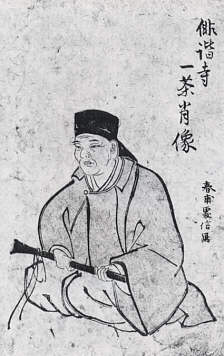
2 Images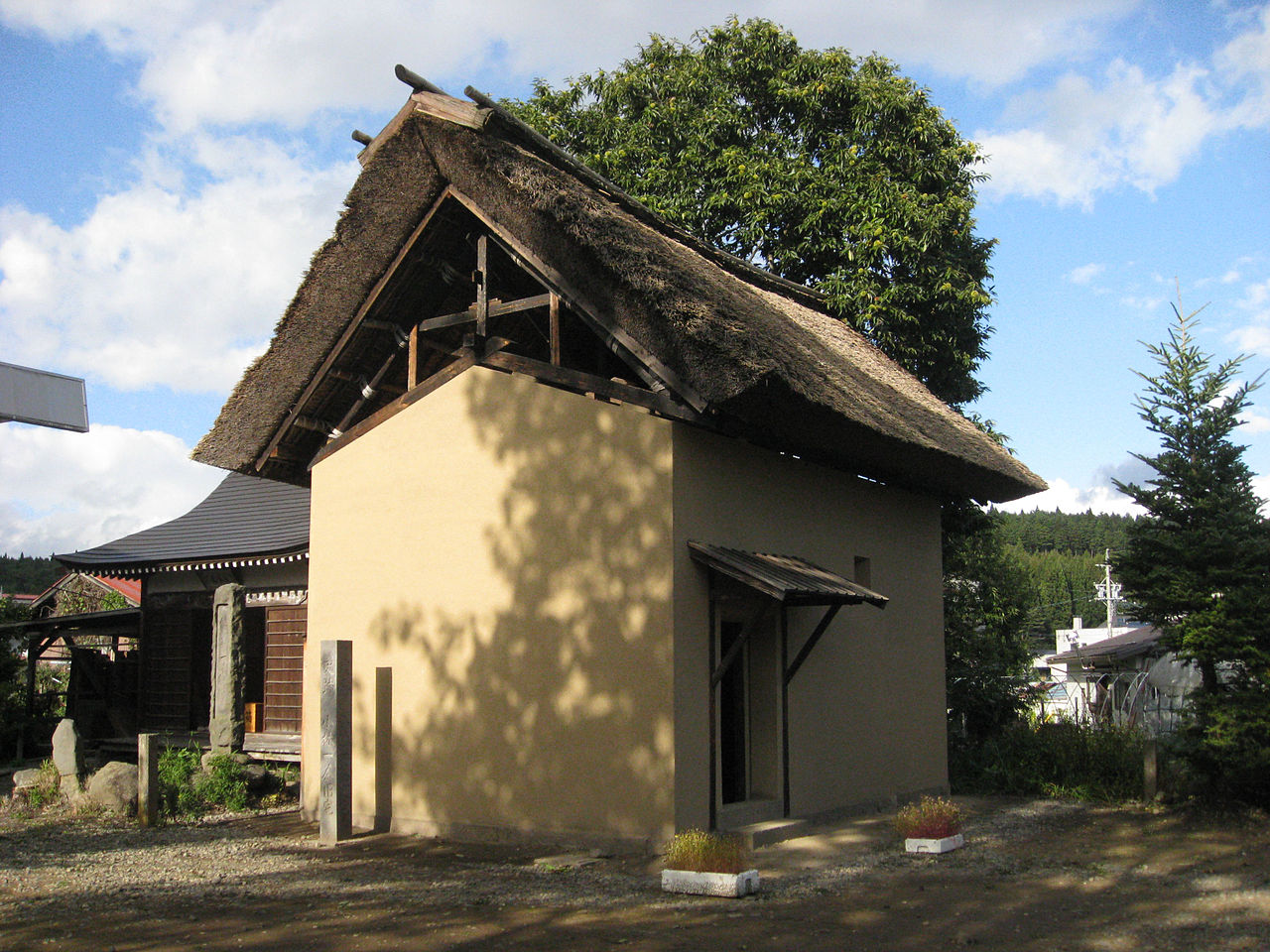
Life and background
Born in rural Japan in 1763, Issa experienced a childhood marked by family loss, poverty and frequent moves. These hardships shaped both his subject matter and tone. He traveled within his region, taught briefly, and returned to village life; his journals record domestic scenes, encounters with neighbors and reflections on nature. Issa continued to write into old age, producing haiku that range from witty to profoundly melancholic.
Style and themes
Issa’s poems are notable for their immediacy, simple diction and emotional honesty. He often adopted the viewpoint of small creatures—flies, frogs, snails—or of ordinary people, giving voice to the overlooked. Humor and self-deprecation appear alongside compassion; his work can be tender one moment and sharply comic the next. Formally, Issa worked within the traditional syllabic brevity of haiku but expanded its emotional range.
Works and examples
- Collections of haiku compiled in notebooks and later anthologies.
- Personal diaries and prose sketches recording daily events and observations.
- Short linked-verse experiments and occasional longer pieces.
Legacy and reception
Issa is commonly ranked with Matsuo Bashō and Yosa Buson; modern criticism also places him alongside Masaoka Shiki as one of the four canonical haiku masters. He is widely read for his humane perspective on ordinary lives and for making nature intimate and domestic. Translations and scholarly editions have helped spread his reputation outside Japan, and his verse continues to be anthologized and taught.
Notable distinctions
Although placed among Bashō, Buson and Shiki, Issa stands out for a personal, conversational tone and for frequent sympathy with common people and small animals. His combination of grief, irony, and warmth gives his haiku a distinctive emotional timbre that remains influential in both literary study and popular appreciation.
Related articles
Author
AlegsaOnline.com Kobayashi Issa — Japanese haiku poet and diarist (1763–1827) Leandro Alegsa
URL: https://en.alegsaonline.com/art/54059