
Knokke-Heist
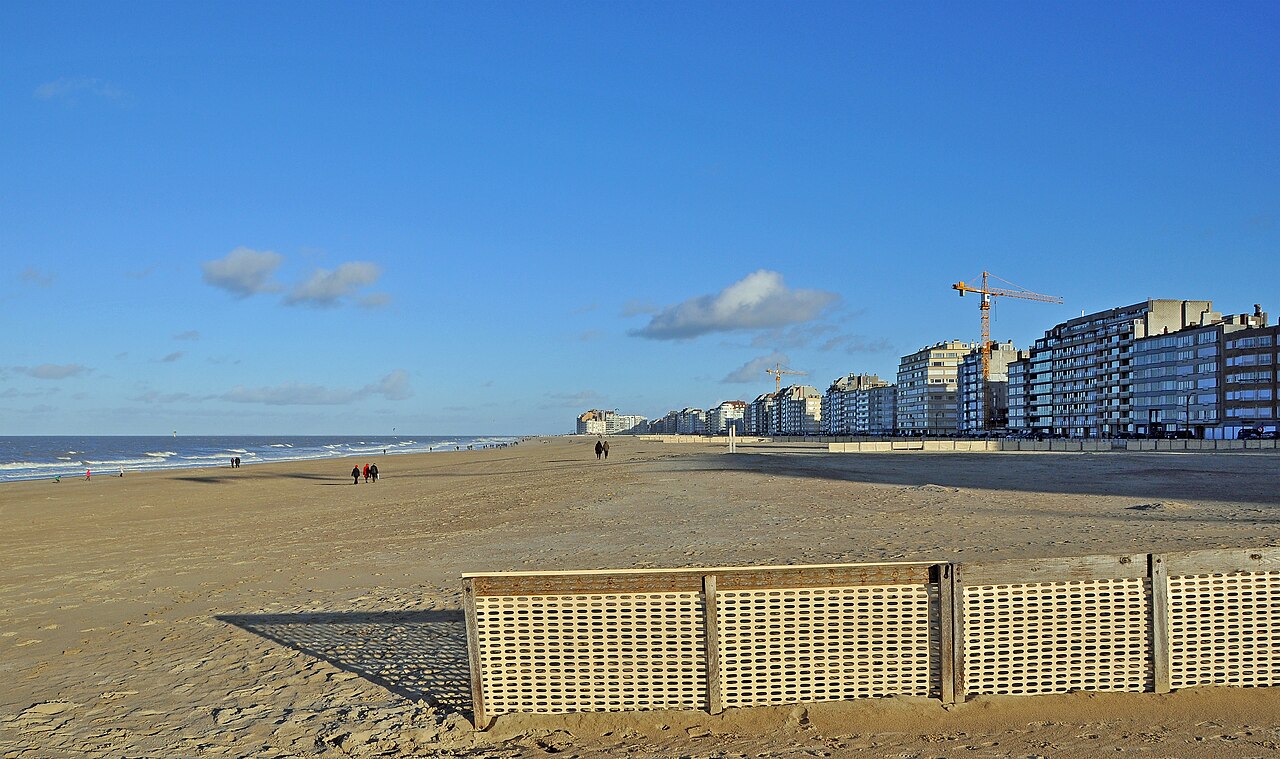
Knokke-Heist is a coastal municipality in West Flanders, Belgium, known for its beaches, dunes, upscale resorts, nature reserves and cultural life. It blends seaside tourism with protected natural areas.
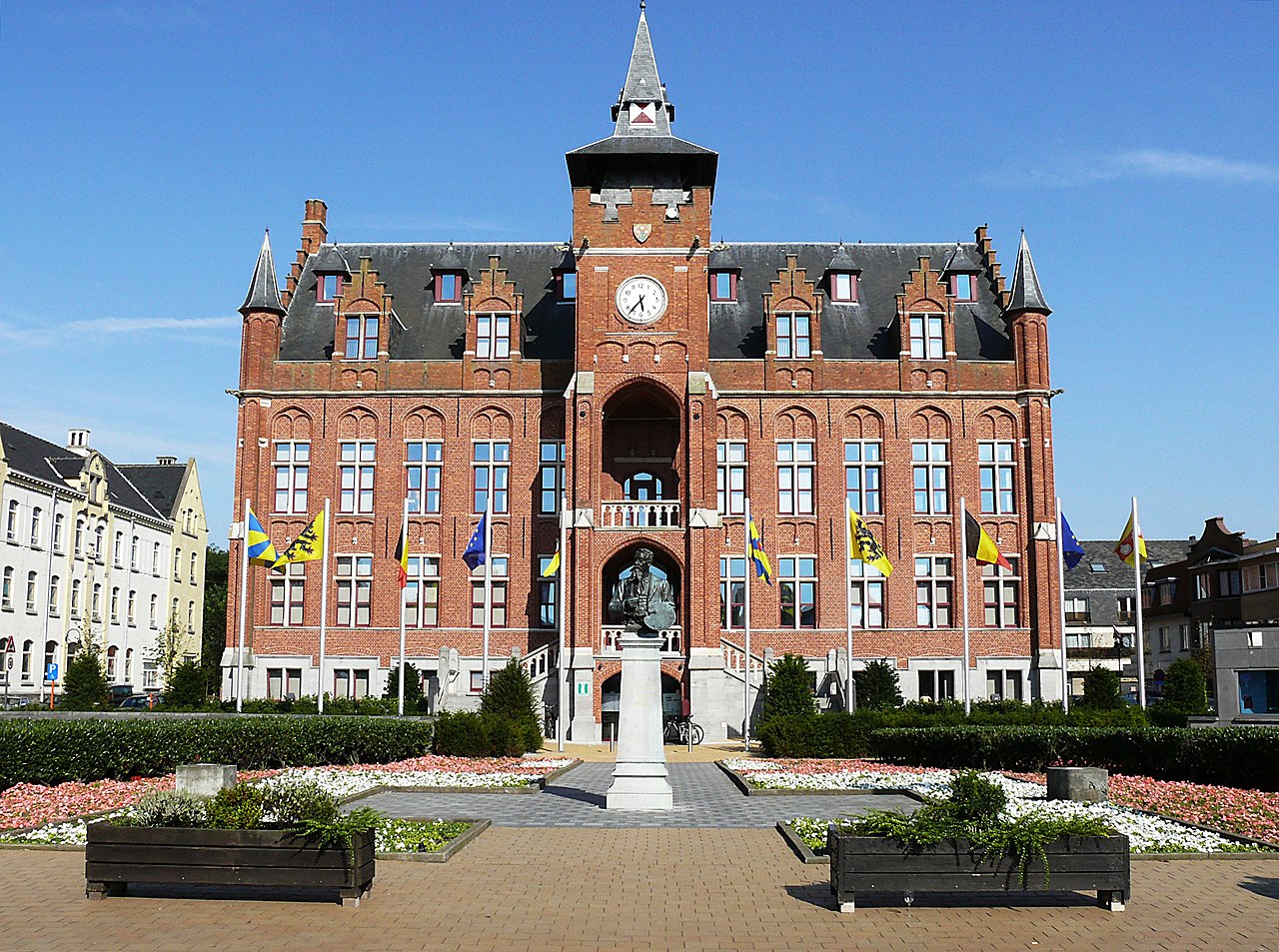
Knokke-Heist is a coastal municipality in the province of West Flanders in Belgium. It lies on the southern North Sea coast near the Dutch border, at roughly 51°20′ N, 03°17′ E. The municipality combines a number of seaside towns and villages and is a frequent destination for beach tourism, cultural events and nature recreation.

Image gallery
10 Images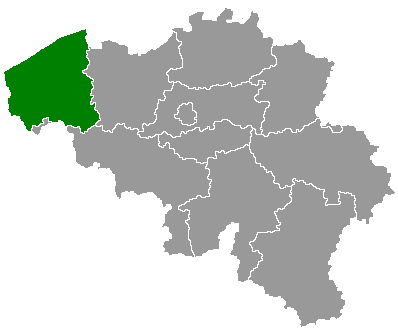



Geography and subdivisions
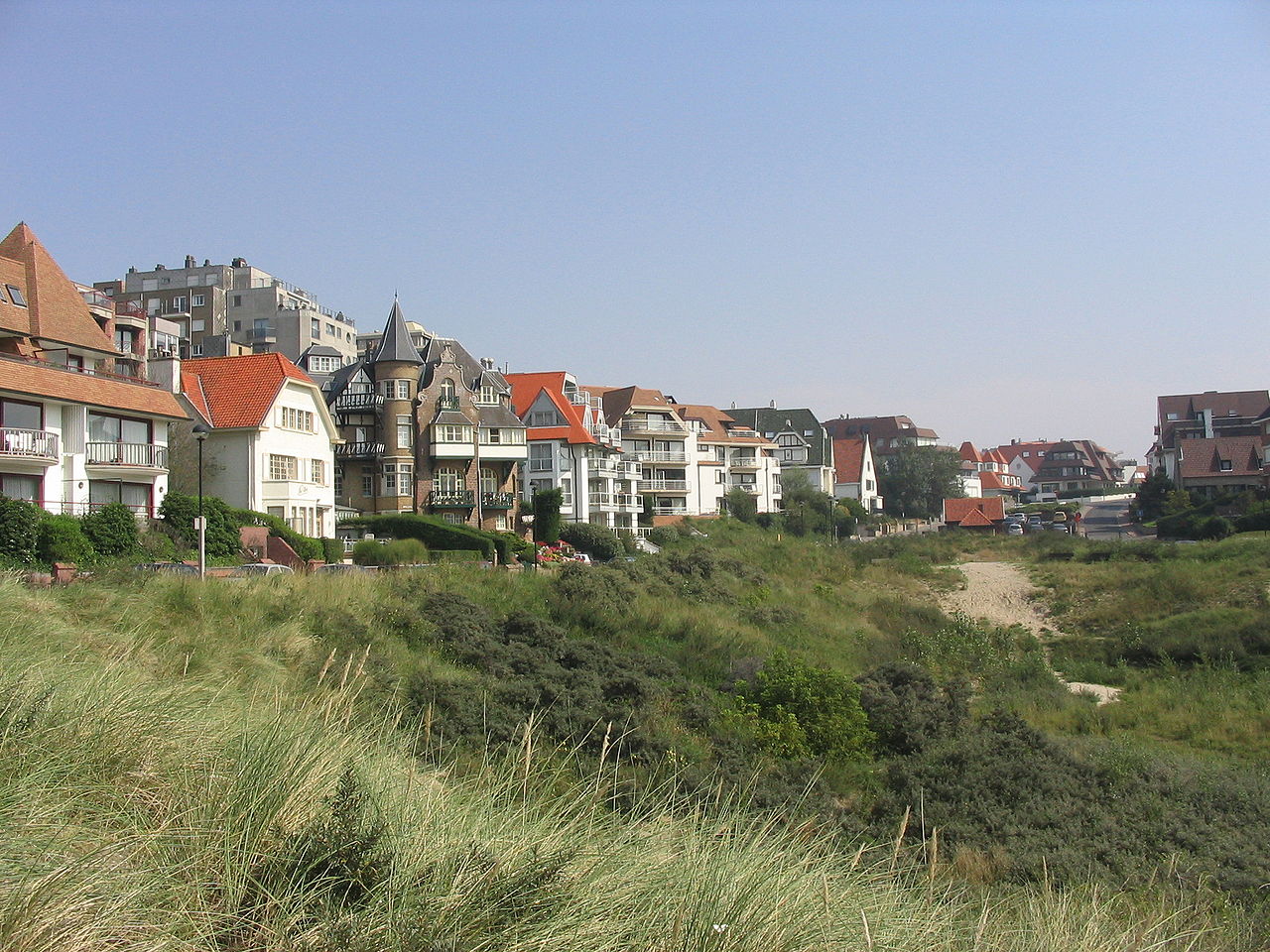
Knokke-Heist includes several population centres set along sand dunes and polders. Its long shoreline and adjacent dune belt separate built-up promenades from reclaimed agricultural land further inland. The area's layout mixes compact town centres with stretches of protected coastal habitat.
History and development
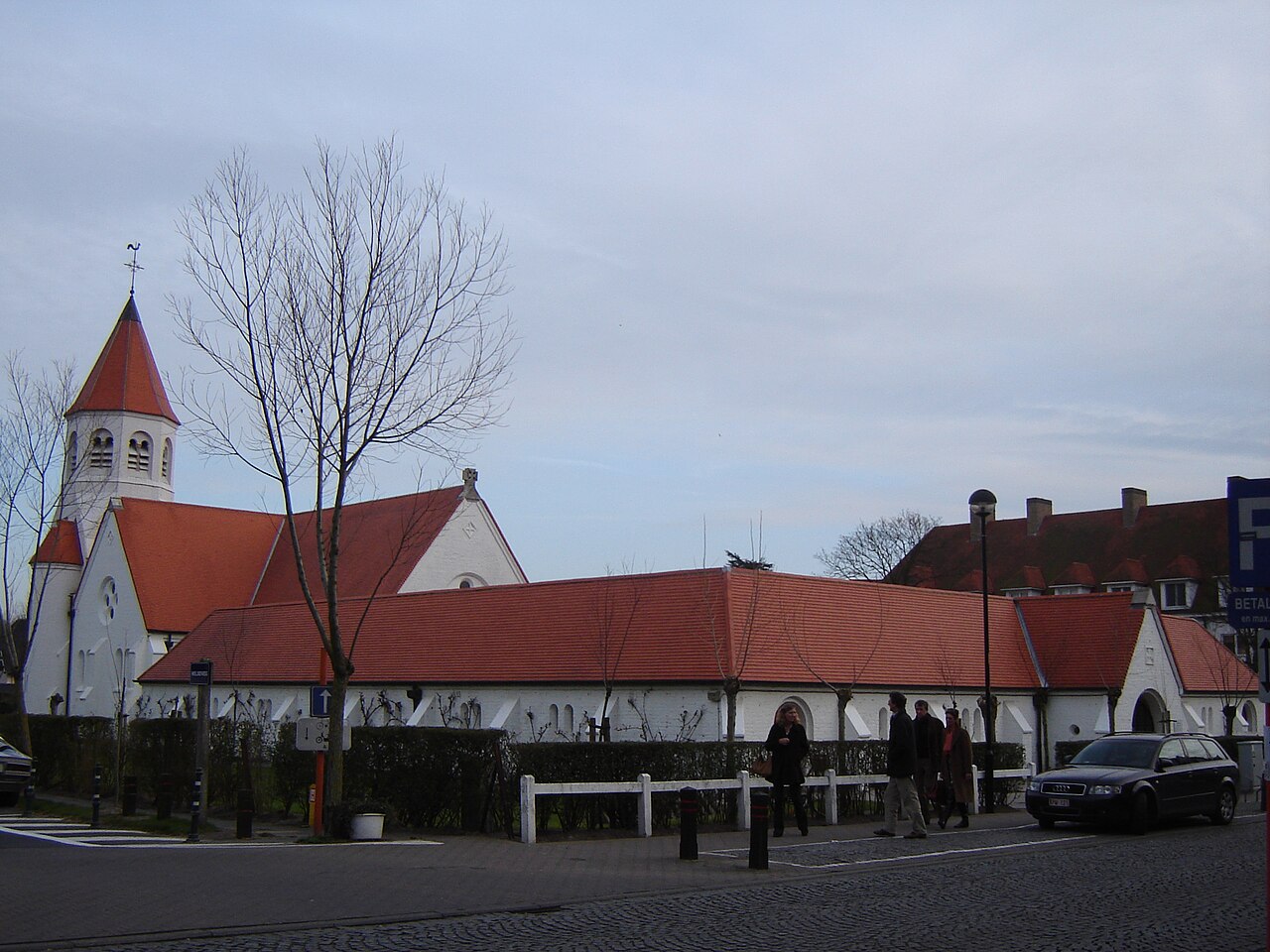
Originally small fishing and farming settlements, the towns in the municipality developed as seaside resorts during the 19th and early 20th centuries with the growth of coastal tourism. Over time leisure facilities, summer homes and cultural venues expanded, shaping its reputation as an upmarket seaside destination.
Attractions, economy and transport
Visitors are drawn by wide beaches, promenades, galleries, restaurants and seasonal events. Important elements include:
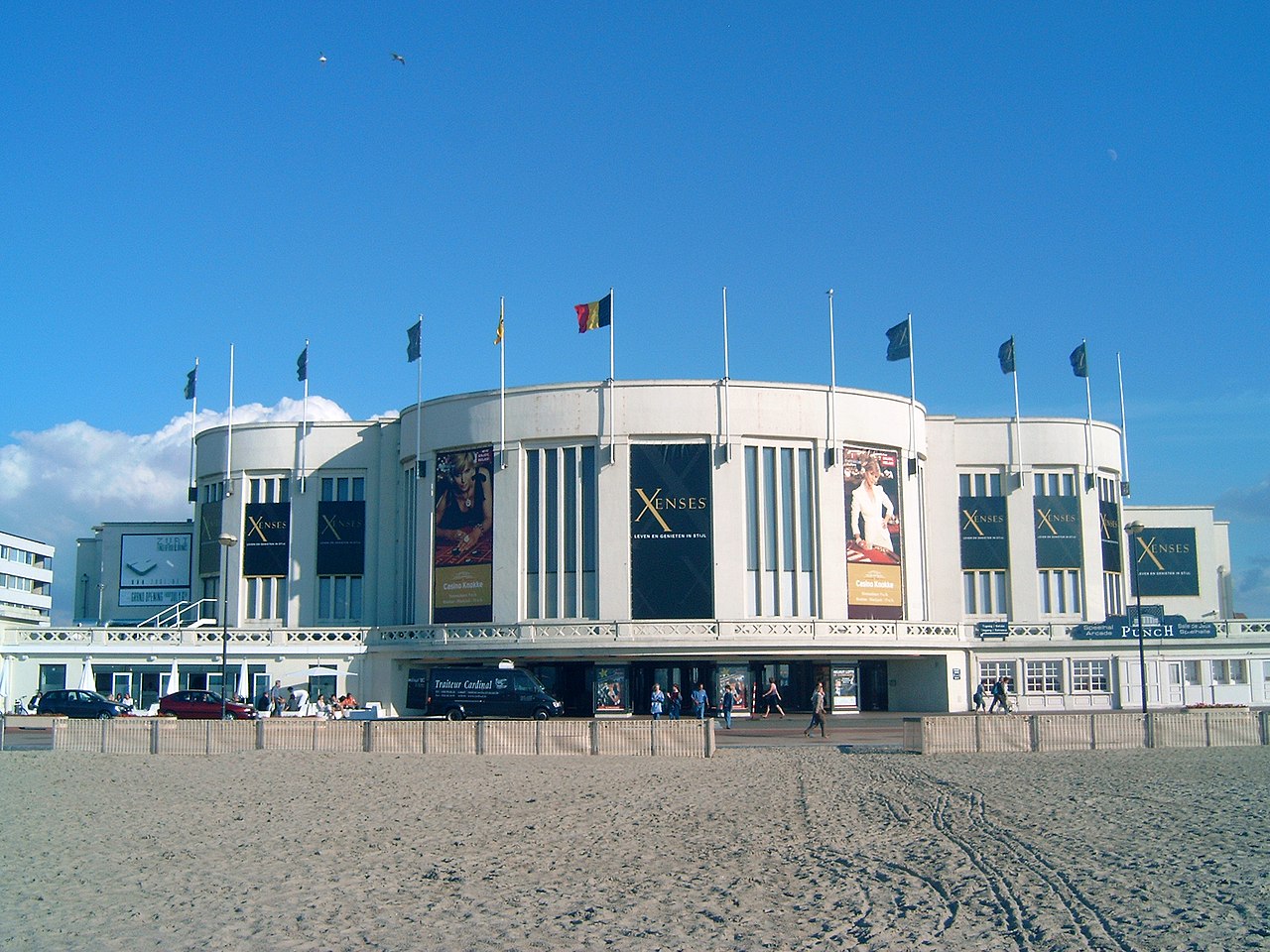
- Beach and seaside amenities and a casino-style entertainment offer.
- Art galleries and cultural festivals that attract regional audiences.
- Access by regional rail and the coastal tram, which links coastal towns along the Belgian shore.

Nature, conservation and notable facts
Nearby protected areas and dune systems are important for birdlife and coastal ecology; some zones are managed for conservation and recreation. The municipality also combines residential neighbourhoods with tourism-driven commerce. Population figures change over time; a past count reported approximately 34,000 residents in the early 21st century. Knokke-Heist is often noted for the contrast between its natural coastal landscapes and its developed, sometimes exclusive, resort districts.
Related articles
Author
AlegsaOnline.com Knokke-Heist Leandro Alegsa
URL: https://en.alegsaonline.com/art/54008
Sources
- statbel.fgov.be : Werkelijke bevolking per gemeente op 1 januari 2007 / Population de droit par commune au 1 janvier 2007 (.xls)
- statbel.fgov.be : Geografische coördinaten van de gemeenten (.xls)