
Kleve (Cleves) — Town on the Rhine in North Rhine-Westphalia, Germany
Kleve (Cleves) is a German river town and district capital on the Rhine near the Dutch border, known for its historic center, Schwanenburg Castle and the ancient Klever Reichswald forest.
Overview
Kleve (Low Rhenish: Kleef; English: Cleves) is the administrative centre of the Kleve Rural District in North Rhine-Westphalia and lies in western Germany. The town sits on the south bank of the Rhine and had a population of roughly 52,000 inhabitants around 2021. Its border location close to the Netherlands gives it a mixed cross-border character in commerce, culture and daily life.
Image gallery
9 Images



Geography and natural features
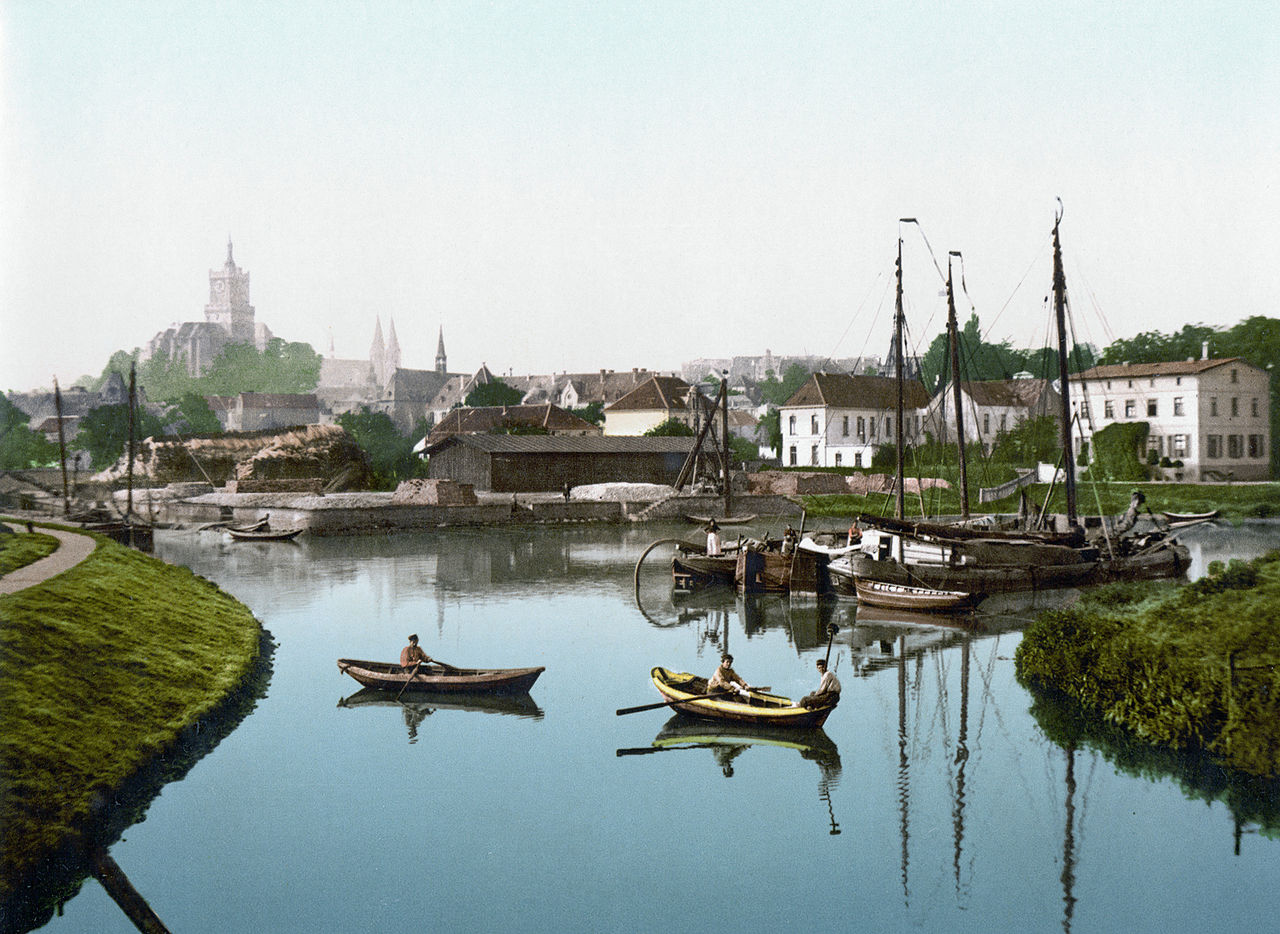
Located where the Rhine valley widens, Kleve combines riverfront areas, small rolling countryside and significant woodland. Part of the historic Klever Reichswald — an extensive, ancient forest that developed during the Middle Ages — falls within the municipality and provides recreational space and habitat value. The town’s setting has shaped routes of communication and land use since medieval times.
History and identity
Kleve was long associated with the Duchy of Cleves, a territorial principality influential in the region until it was disestablished during the late 18th-century European territorial reorganisations (the duchy is often dated to 1795 as its end). The duchy’s legacy survives in local place-names and landmark buildings, and Kleve appears in English-language history as Cleves, notably through the Tudor connection to Anne of Cleves. Over centuries the town’s fortunes were affected by shifting borders, river trade and modern national developments.
Culture, landmarks and economy
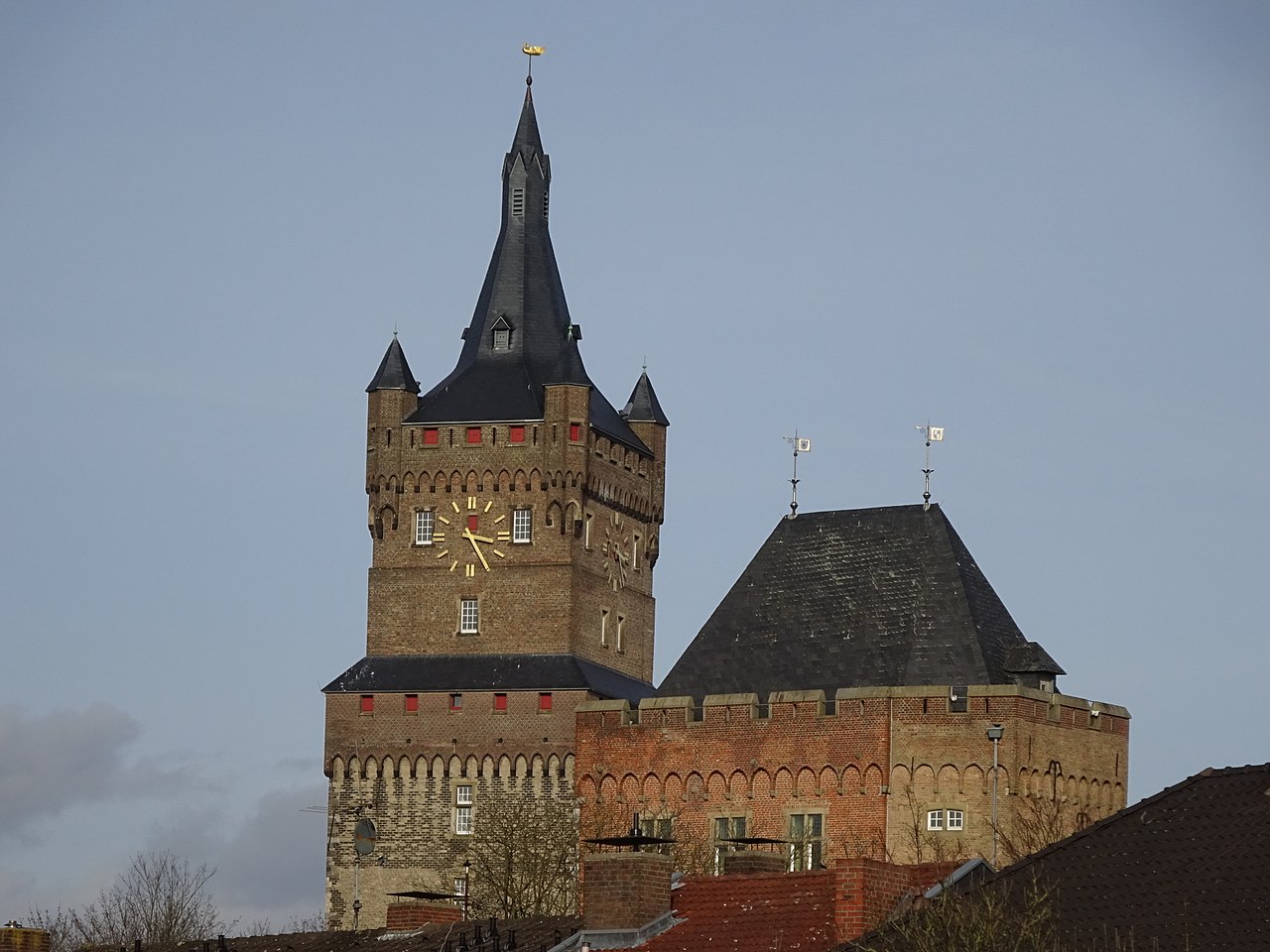
The town contains a compact historic core and several notable sites that attract visitors and serve local life. Schwanenburg Castle, perched above the town, is a prominent symbol; the Rhine promenade and green spaces cater to residents and tourists. Local economy blends services, small industry and cross-border trade with the adjacent Dutch province of Gelderland and the neighbouring country of the Netherlands. Kleve sustains cultural institutions, periodic events and a network of museums and galleries that reflect the region’s art and history.
Notable sites
- Schwanenburg Castle — historic stronghold overlooking the town
- Klever Reichswald — ancient forest partly on municipal territory
- Historic town centre and riverfront promenades
- Cultural venues and regional museums preserving local history
Today Kleve functions as a regional administrative hub and a local service centre while retaining a strong sense of its historical landscape and cross-border ties. Visitors and residents alike value its riverside setting, wooded surroundings and visible traces of the area's ducal past.
Related articles
Author
AlegsaOnline.com Kleve (Cleves) — Town on the Rhine in North Rhine-Westphalia, Germany Leandro Alegsa
URL: https://en.alegsaonline.com/art/53939