
Ardennes (forest)
A forested highland region in northwestern Europe spanning eastern Belgium, Luxembourg and northeastern France, noted for wooded hills, Paleozoic geology, river valleys (Meuse) and historical significance.
Overview
The Ardennes is a broad upland region of wooded hills and river valleys in northwestern Europe. The area forms a continuous highland across eastern Belgium (principally Wallonia), northern Luxembourg (the Oesling), and bordering northeastern France (including the French Ardennes department). Geographically it is often referred to as the Ardennes massif or Ardennes Forest rather than a single, sharply peaked mountain chain, and it connects eastward toward the German Eifel.
Image gallery
10 Images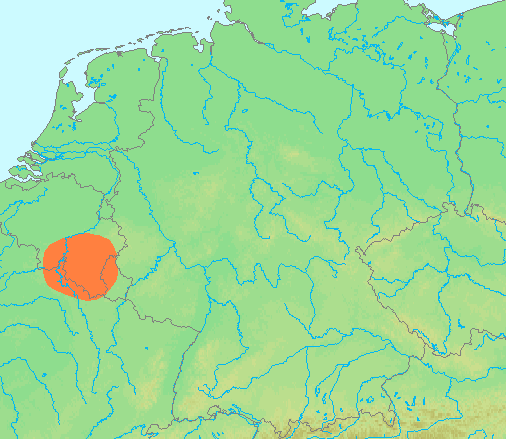



Geography and geology
The terrain consists of rounded hills and plateaus, forested slopes and narrow river valleys; the highest elevations approach nearly 700 metres. Underlying rock mainly belongs to older, hard Paleozoic strata — slate, schist and quartz-rich formations — which give the plateau its ridged, eroded character. The Meuse is the region's principal river, with several important tributaries cutting deep gorges and creating scenic valleys.
Ecology and land use
Large tracts of mixed temperate forest — dominated by beech, oak and conifer plantations in places — make the Ardennes one of western Europe's more extensively wooded low mountain regions. Peat bogs and wet heaths, such as those found in the High Fens area, are locally important for biodiversity. Wildlife includes deer, wild boar and a variety of birds and invertebrates. Human population density is generally low: small towns, farms and forestry dominate land use, while pockets of traditional agriculture and light industry persist.
History and cultural significance
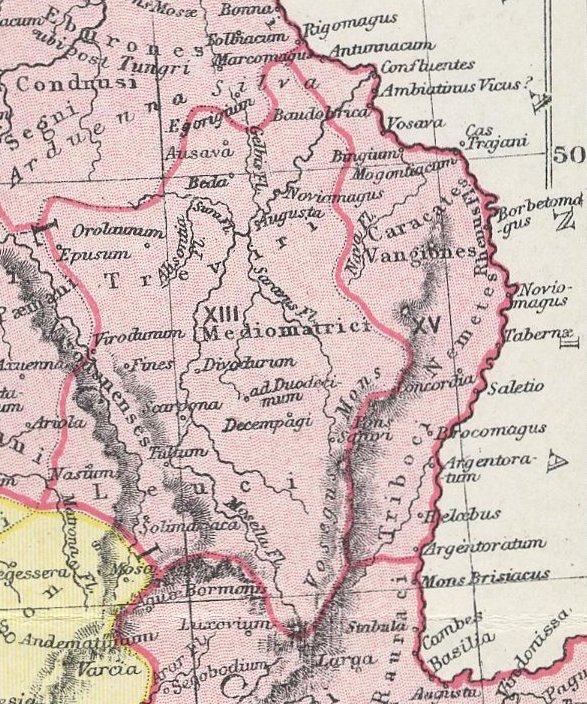
Because of its thick forests and rough terrain, the Ardennes has long acted as both refuge and barrier. It features medieval castles, fortified towns and historic roads. In modern history it was the theatre of significant military campaigns in both world wars, most famously the Battle of the Bulge in 1944–45. Local culture includes distinct regional cuisine, crafts and rural traditions tied to the forested landscape.
Uses, recreation and notable features
The Ardennes is a popular destination for outdoor pursuits and rural tourism. Typical activities and attractions include:
- Hiking and long-distance trails that traverse forests and ridgelines.
- Canoeing and kayaking on the Meuse and smaller rivers, plus fishing and riverside camping.
- Visits to caves, limestone cliffs and valley viewpoints.
- Exploring historic villages, wartime memorials and regional museums.
- Forestry, small-scale agriculture and conservation areas supporting biodiversity.
For broad reference or maps and administrative details see entries on the Ardennes massif, the Belgian Ardennes regions, the Walloon provinces and the Luxembourg Oesling. Geological descriptions often mention the slate and related rocks (slate) and the connection to adjacent uplands like the Eifel. Regional tourism and conservation information is available through local offices and national park services (France, Belgium, Luxembourg), while department-level administration is represented in sources on the Ardennes department.
Related articles
Author
AlegsaOnline.com Ardennes (forest) Leandro Alegsa
URL: https://en.alegsaonline.com/art/5370