
Kingman Reef
Kingman Reef is a mostly submerged coral formation in the North Pacific under U.S. jurisdiction. It is remote, uninhabited, ecologically important, and part of U.S. marine conservation areas.
Overview
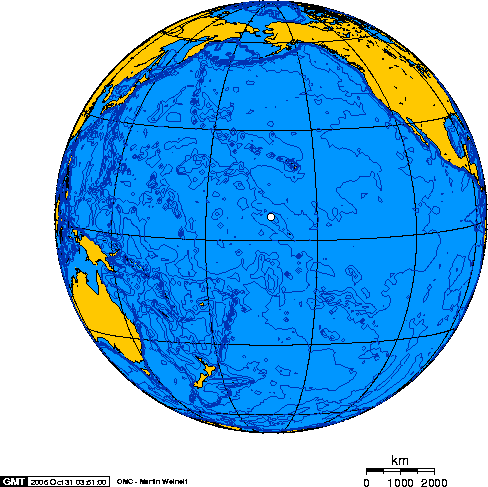
Kingman Reef is a largely submerged coral feature in the North Pacific Ocean. It is administered by the United States and is the northernmost of the Northern Line Islands. The reef is best described as a low, narrow ring of coral and sand that is exposed only at low tides or after particular weather events; at high tide it is typically underwater. In that sense it functions more as a marine formation than as habitable land.
Image gallery
10 Images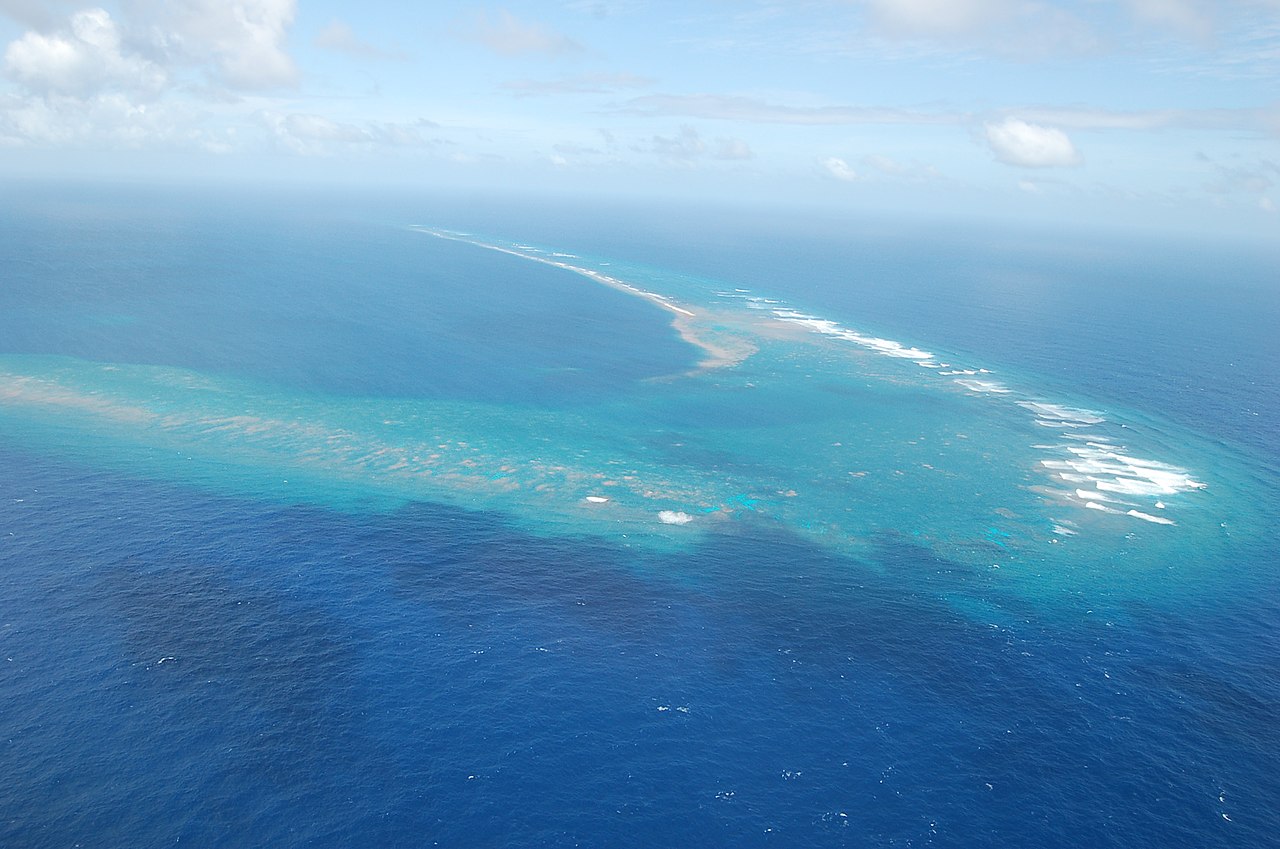



Physical characteristics
The structure of Kingman Reef is dominated by a coral rim enclosing a shallow lagoon. Much of the reef crest lies below the surface, leaving little or no permanent dry land. Waves, currents and storms continually reshape its sand and rubble deposits, so the visible area fluctuates over time. Its remoteness and small physical footprint mean there are no ports, infrastructure, or permanent settlements.
Legal status and protection
Kingman Reef is part of the United States Minor Outlying Islands and falls under federal stewardship focused on conservation and scientific research. It is included within broader U.S. marine protection measures and is managed to preserve habitat values rather than for development. Visits are rare and usually limited to authorized scientific, conservation or monitoring missions.
Ecology and importance
The reef supports coral communities, reef fishes, sea turtles and seabirds, serving as a nesting and feeding area for some species and as a nursery for juvenile marine life. Its largely undisturbed waters provide researchers with a reference point for near-pristine coral reef ecosystems. Like other coral systems, it faces threats from warming seas, ocean acidification and extreme weather, which can cause bleaching and long-term habitat change.
Human interaction and notable facts
Because it is remote and intermittently exposed, Kingman Reef has seen little permanent human use. It has been noted historically as a navigational hazard and has been visited sporadically by sailors, scientists and government parties. It is distinct within the Northern Line Islands for being the farthest north; nearby Palmyra Atoll is the other U.S. territory in the chain. The reef is often referenced in discussions of ocean conservation and remote protected areas.
- Status: U.S.-administered, uninhabited coral reef (coral reef).
- Exposure: Mostly submerged, occasionally visible at low tide.
- Value: Important ecological refuge and site for scientific study.
- Threats: Climate change impacts and reef degradation.
Related articles
Author
AlegsaOnline.com Kingman Reef Leandro Alegsa
URL: https://en.alegsaonline.com/art/53627
Sources
- cia.gov : "Kingman Reef" at CIA World Factbook