
Kingdom of Croatia (925–1102)
A medieval Croatian kingdom centered on the Dalmatian coast and inland regions, traditionally dated from the reign of Tomislav around 925 until a dynastic union with Hungary in 1102.
Overview
The Kingdom of Croatia was a medieval polity on the eastern shore of the Adriatic Sea, covering coastal Dalmatia, nearby islands and inland territories that correspond roughly to parts of modern Croatia and adjacent areas. It is conventionally dated from the early 10th century, when local rulers consolidated authority and adopted the royal title, and it endured as a distinct political entity until the early 12th century. Its position on the frontier between Latin Christendom and Byzantine influence shaped its institutions and culture.
Image gallery
9 Images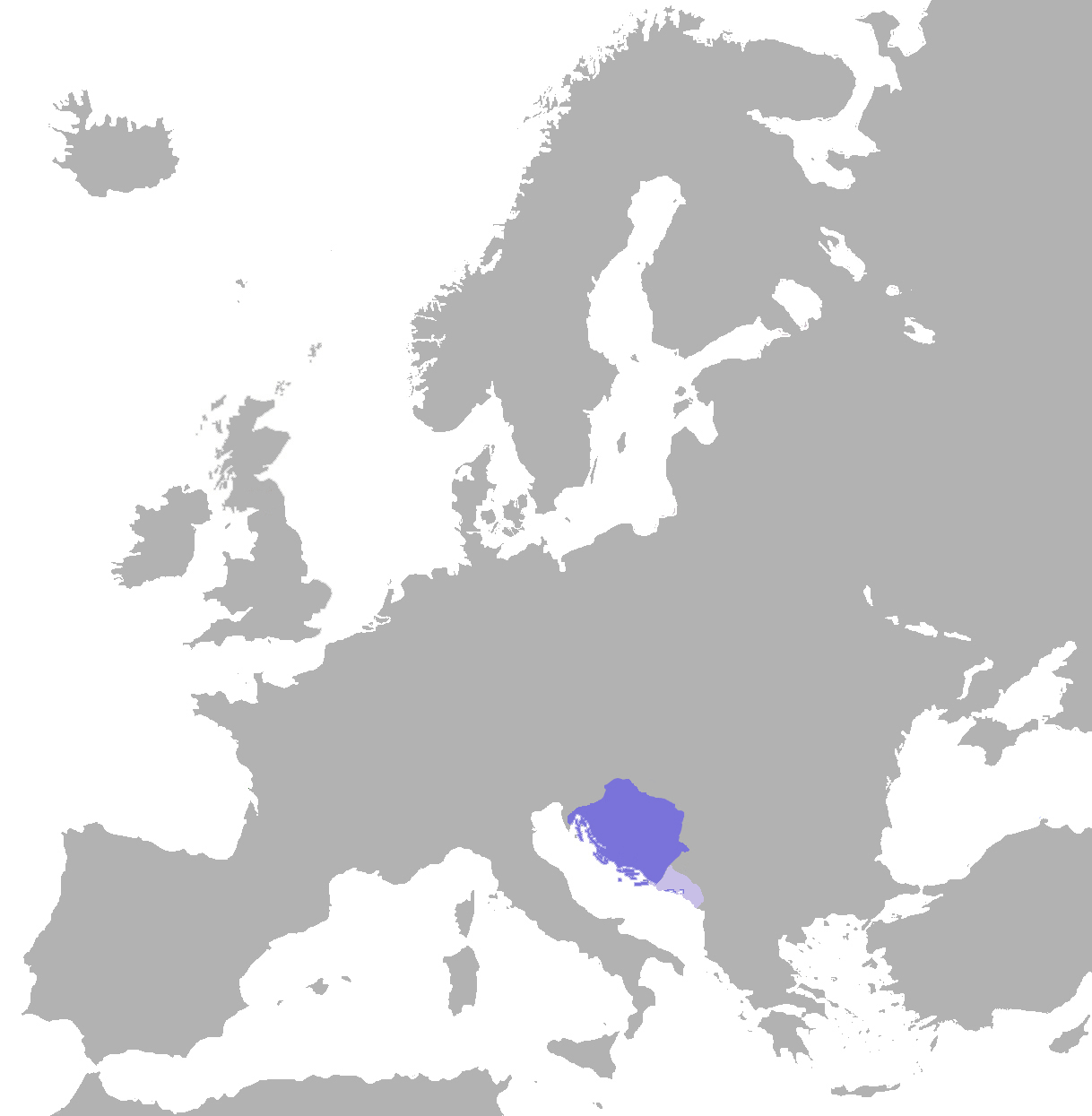





Historical development
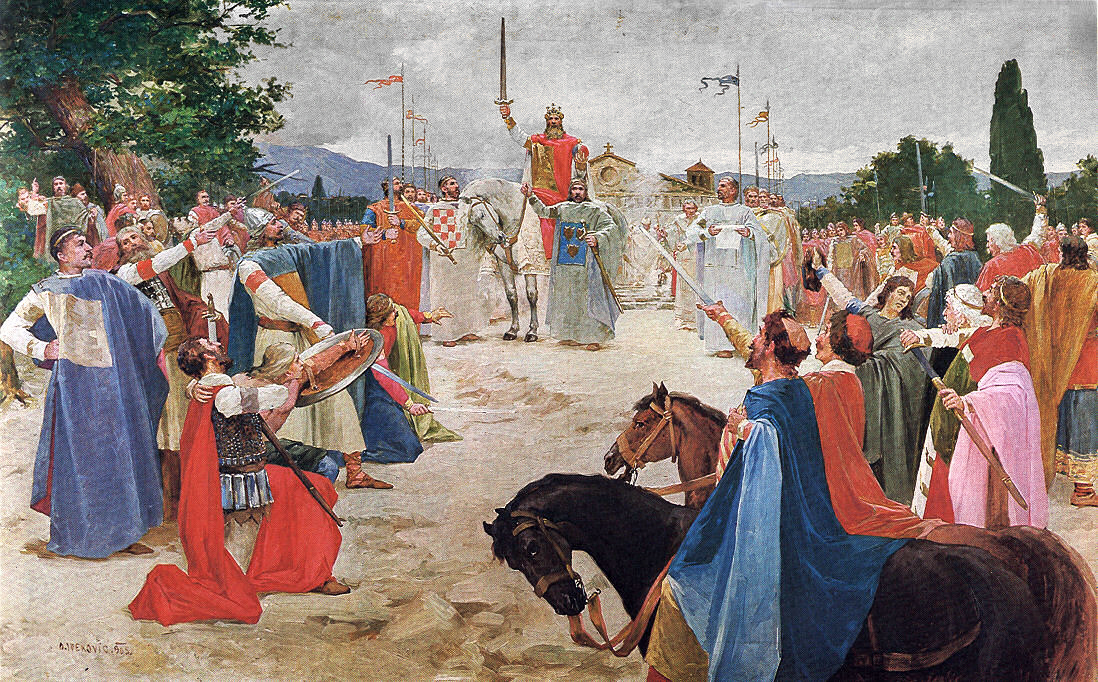
The rise of a Croatian kingdom followed a period of migration and regional consolidation. Contemporary and later sources often name a ruler identified as Tomislav as the first king in the 920s, though precise details remain debated among historians. During the 10th and 11th centuries the realm expanded, contracted and competed with neighbors such as the Byzantine Empire, Venice and various South Slavic principalities. Prominent rulers included local dukes and kings who strengthened ties with the Papacy and other Western powers while managing relationships with Eastern authorities.
Government, society and culture
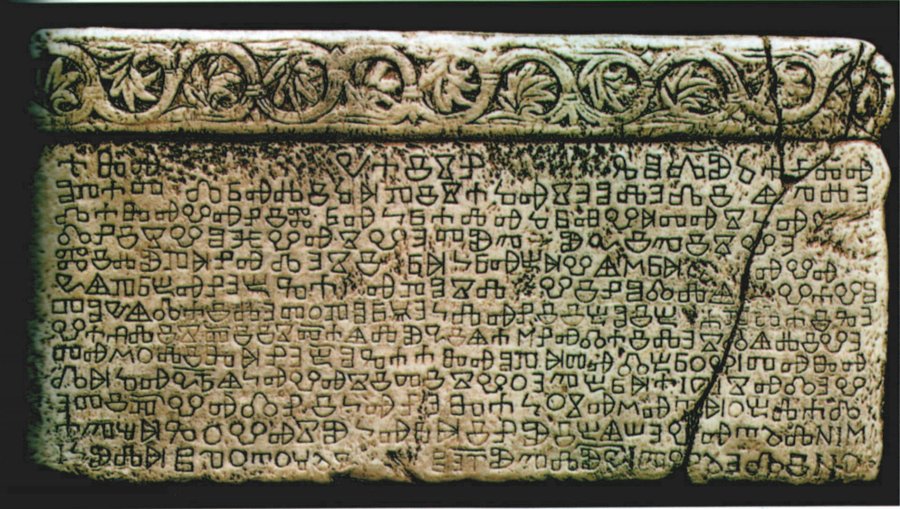
Government was based on a feudal pattern of landed magnates and a central monarch supported by a network of nobles and bishops. The church played a significant role: Latin Christianity predominated, episcopal sees dotted the coast and Glagolitic liturgical tradition appeared in some communities. Towns along the coast engaged in maritime trade, while inland regions remained more agrarian. Law, diplomacy and military organization reflected a hybrid of Western and Byzantine medieval models.
Notable facts and the 1102 agreement
- Notable rulers traditionally associated with the kingdom include Tomislav and successors in the 11th century who are credited with consolidating royal authority.
- In 1102 the Croatian nobility and the ruler of Hungary reached an arrangement that resulted in a dynastic union; this arrangement is commonly referred to in later sources as the Pacta Conventa. Historians debate the exact form and dating of the surviving text and some regard parts of it as later compilation rather than a contemporary treaty.
Legacy
The medieval Kingdom of Croatia left a legacy in regional law, administrative divisions and ecclesiastical structures that influenced later political arrangements. Its coastal towns became important centers of commerce and culture in the Adriatic. The kingdom's absorption into a personal union with the Hungarian crown altered its sovereignty but many Croatian institutions and noble privileges continued to be invoked in later centuries as the basis for regional autonomy claims. For further geographic and comparative context see Europe and material on relations with medieval Hungary at Hungary.
Related articles
Author
AlegsaOnline.com Kingdom of Croatia (925–1102) Leandro Alegsa
URL: https://en.alegsaonline.com/art/53589