
Kickapoo people
The Kickapoo are an Algonquian-speaking Indigenous people of North America and Mexico, known for a history of migrations, three federally recognized U.S. tribes, distinct language, and ongoing cultural revitalization.
Overview
The Kickapoo (Kickapoo: Kiikaapoa or Kiikaapoi) are an Indigenous people historically associated with the central and eastern woodlands of North America who today live in communities in the United States and Mexico. They speak a language of the Algonquian family and are recognized as a Native American and Indigenous Mexican people in different national contexts. The tribal name is commonly interpreted as "stands here and there" or "wanderer," reflecting a history of movement and migration.
Image gallery
3 Images

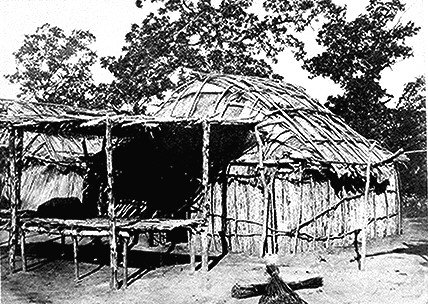
Language and social organization
Kickapoo language is closely related to other Central Algonquian languages such as Sauk and Meskwaki (Fox). Traditionally, Kickapoo society was organized into kin-based bands with seasonal patterns of settlement tied to agriculture, hunting and gathering. Today social structures vary by community and often combine traditional leadership roles with contemporary tribal governments and councils. Language maintenance and revitalization efforts continue in several communities, with programs for teaching younger generations.
History and migrations
The Kickapoo originated in the Great Lakes region and were recorded in early historic times in what is now Michigan, Wisconsin and Indiana. Throughout the 18th and 19th centuries they were displaced by European-American expansion, treaties and wars, which prompted successive relocations into Illinois, Missouri and later Kansas. In the 19th century some Kickapoo groups moved further south and west; others crossed into Mexico in search of refuge from U.S. jurisdiction. Their movements gave rise to distinct bands and communities spread across a broad geographic area.
Reservations, recognition and governance
There are three federally recognized Kickapoo tribes in the United States: the Kickapoo Tribe of Indians of the Kickapoo Reservation in Kansas, the Kickapoo Tribe of Oklahoma, and the Kickapoo Traditional Tribe of Texas. These groups are listed collectively among federal records and often work with state and federal agencies on land, health and education issues. The Oklahoma and Texas bands maintain political links, while the Kansas band traces its reservation status in part to a land exchange and relocation in the 1830s. For official information see tribal resources and federal listings such as recognized tribal pages.
Culture, economy and contemporary life
Traditional Kickapoo subsistence combined agriculture—corn, beans, squash—with hunting, fishing and gathering. Spiritual life historically centered on animist beliefs and seasonal ceremonies; contemporary practice often blends traditional elements with Catholicism or other Christian denominations and the Native American Church in some communities. In the modern era, tribal economies may include agriculture, cultural tourism, small businesses and enterprises operated by tribal governments. Many Kickapoo communities engage in cultural preservation projects, language classes and intergenerational knowledge transfer.
Notable distinctions and cross-border identity
One distinctive feature of the Kickapoo experience is the transnational presence of communities in both the United States and Mexico. Cross-border family ties and frequent movement have created a shared cultural identity that transcends national borders. Population counts vary by community; enrolled membership across the recognized tribes numbers in the low thousands. Contemporary priorities for Kickapoo communities typically include protecting land and treaty rights, revitalizing language and cultural practices, and improving education and health outcomes while maintaining traditional forms of social life.
- Names: Kiikaapoa / Kiikaapoi (Kickapoo language)
- Language family: Algonquian
- Recognition: Three federally recognized U.S. tribes (official lists) and communities in Mexico
- Contemporary focus: cultural revitalization, language programs, tribal governance
Related articles
Author
AlegsaOnline.com Kickapoo people Leandro Alegsa
URL: https://en.alegsaonline.com/art/53310
Sources
- tolatsga.org : KICKAPOO HISTORY