
Kikuyu people: language, culture, history and contemporary role
The Kikuyu are Kenya's largest Bantu-speaking ethnic group, centered on the central highlands. This article outlines their language, social organization, historical development, economy and cultural traditions.
Overview
The Kikuyu are the largest ethnic group in Kenya, traditionally settled in the central highland region around Mount Kenya. They belong to the Bantu family of peoples and speak the Kikuyu language (also written Gikuyu). Today the community combines long-standing rural agricultural livelihoods with active participation in national political, economic and urban life.
Image gallery
7 Images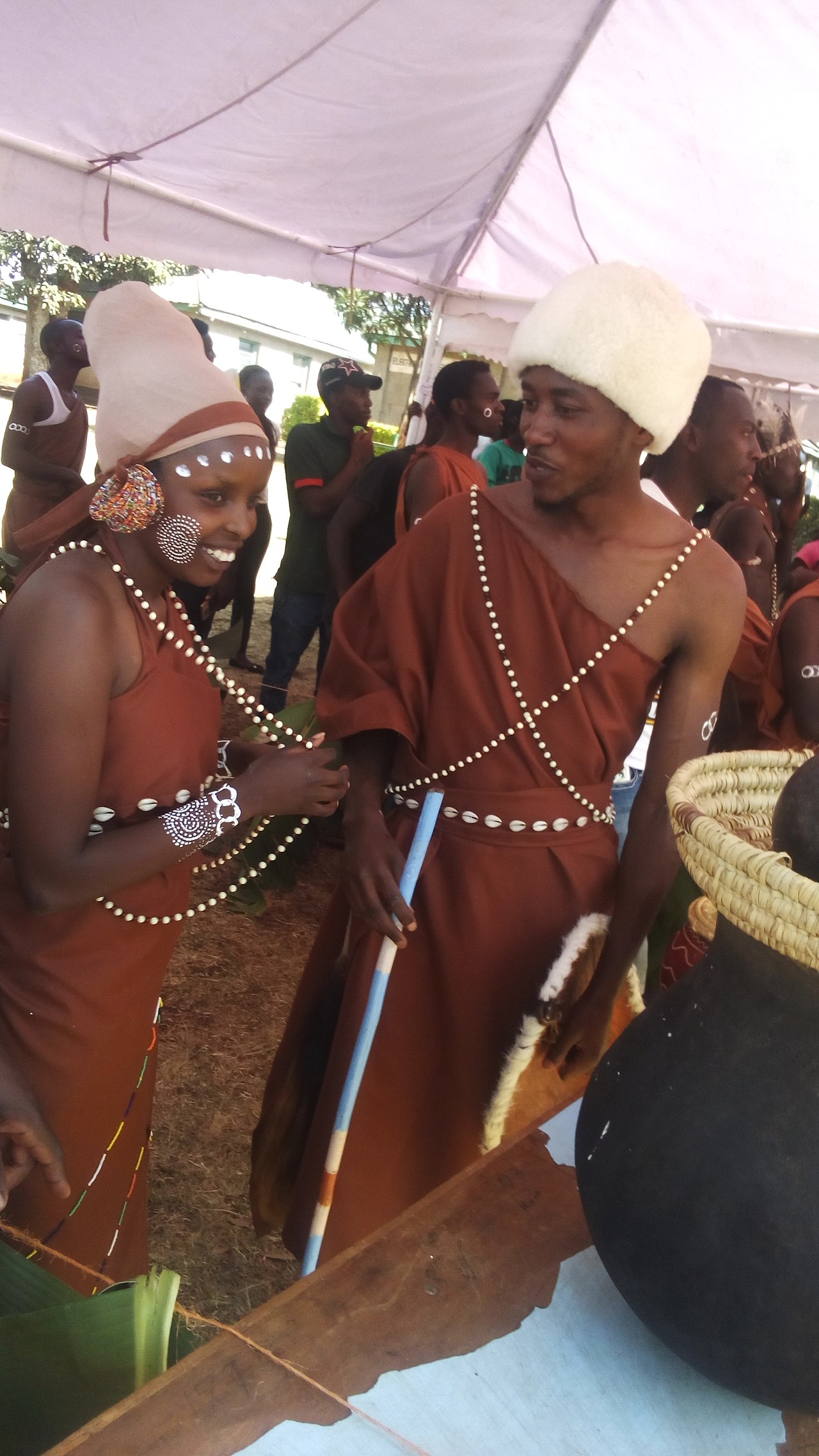


Language and social organization
The Kikuyu language is a Bantu language with its own oral literature, proverbs and song traditions. Social life is organized around extended families, lineages and clans; kinship ties and land tenure remain important. Traditional institutions include age-grade practices and initiation rites, while contemporary Kikuyu society also incorporates modern educational and civic structures.
History and development
Oral tradition describes the founding ancestors and a close relationship with the land around Mount Kenya. During the colonial period many Kikuyu experienced dispossession and labor migration to urban centers and plantations. In the mid-20th century political and social mobilization in the highlands contributed to the wider struggle for independence. Since independence the community has played a prominent role in national affairs while also facing challenges over land, representation and economic change.
Economy and cultural life
Agriculture has long been central: smallholder farming, dairy, tea, coffee and horticulture are common in the highlands. Kikuyu music, storytelling and ritual life remain vibrant; food customs include maize-based staples and regionally specific dishes. Contemporary artists, writers and musicians of Kikuyu heritage contribute to Kenya's broader cultural scene.
Notable facts and distinctions
- They are the largest single ethnic group in the country, forming roughly one-fifth of the population.
- The community combines strong rural ties with significant urban migration and influence in national institutions.
- Traditional beliefs about ancestors and the mountain (Mount Kenya) persist alongside Christianity and other religions.
For further reading on language, customs and modern developments, consult specialized ethnographic and historical sources or national cultural organizations that document Kikuyu heritage and contemporary life.
Related articles
Author
AlegsaOnline.com Kikuyu people: language, culture, history and contemporary role Leandro Alegsa
URL: https://en.alegsaonline.com/art/53363