
Kick-Ass — comic series and film adaptations
Kick-Ass is a darkly comic superhero story about an ordinary teenager who becomes a costumed vigilante. Created for adult readers, it inspired films noted for their violence, satire and controversial characters.
Overview
Kick-Ass began as a comic-book series that lampoons and subverts traditional superhero tropes by placing ordinary people in vigilante roles. The central figure is Dave Lizewski, a high-school student who decides to become a costumed crimefighter despite having no special powers, training, or institutional support. The story combines elements of action, dark humor and social satire to examine what heroic fantasy would look like in a realistic, often brutal world.
Image gallery
3 Images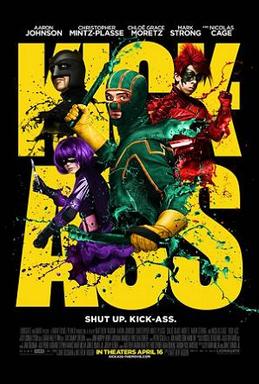


Publication and creators
The series was created by writer Mark Millar and artist John Romita Jr., and it was published for mature readers. It appeared under an imprint that allowed established creators to publish creator-owned work. The comic's striking mix of graphic violence and pop-culture-savvy dialogue helped it attract attention outside traditional comic-book audiences and sparked debate about tone and responsibility in fiction.
Plot, characters and structure
The narrative follows Dave "Kick-Ass" Lizewski alongside other costumed characters who pursue vigilantism for different motives. Notable figures include the young, trained fighter Hit-Girl and her father, a former cop who operates under the name Big Daddy. The series alternates between moments of comic-book exuberance and scenes that emphasize the consequences of ordinary people confronting crime, often with unexpectedly severe results.
Film adaptations
The comic was adapted to film and released to cinemas in 2010, opening in the United Kingdom and the United States in the spring of that year. The movie was directed by Matthew Vaughn and introduced the property to a wider audience; it retained much of the source material's blend of violence and dark comedy. A sequel and further adaptations followed, expanding the story in cinema while retaining debate about the franchise's tone and appropriateness for younger viewers.
Themes, reception and controversy
Kick-Ass is often discussed for its exploration of vigilantism, the media’s role in shaping hero narratives, and the contrast between fictional heroics and real-world consequences. Critics and audiences praised its energetic storytelling and performances but also criticized its graphic violence and the depiction of adolescent fighters. These responses highlight the tension between satire and spectacle at the heart of the work.
Legacy and distinctions
As both a comic and a film series, Kick-Ass influenced later stories that mix realist and parodic takes on superheroes. It remains notable for forcing readers and viewers to ask what heroism means outside of genre conventions and for prompting discussion about how far storytellers can push violence and irony in popular fiction. For broader context on superhero storytelling and its cultural role see related discussions.
Related articles
Author
AlegsaOnline.com Kick-Ass — comic series and film adaptations Leandro Alegsa
URL: https://en.alegsaonline.com/art/53307