
Khost: city and capital of Khost Province, Afghanistan
Khost is a city in eastern Afghanistan, the administrative centre of Khost Province. Noted for its Pashtun culture, strategic location near Pakistan, and a history of 20th–21st century unrest and development challenges.
Overview
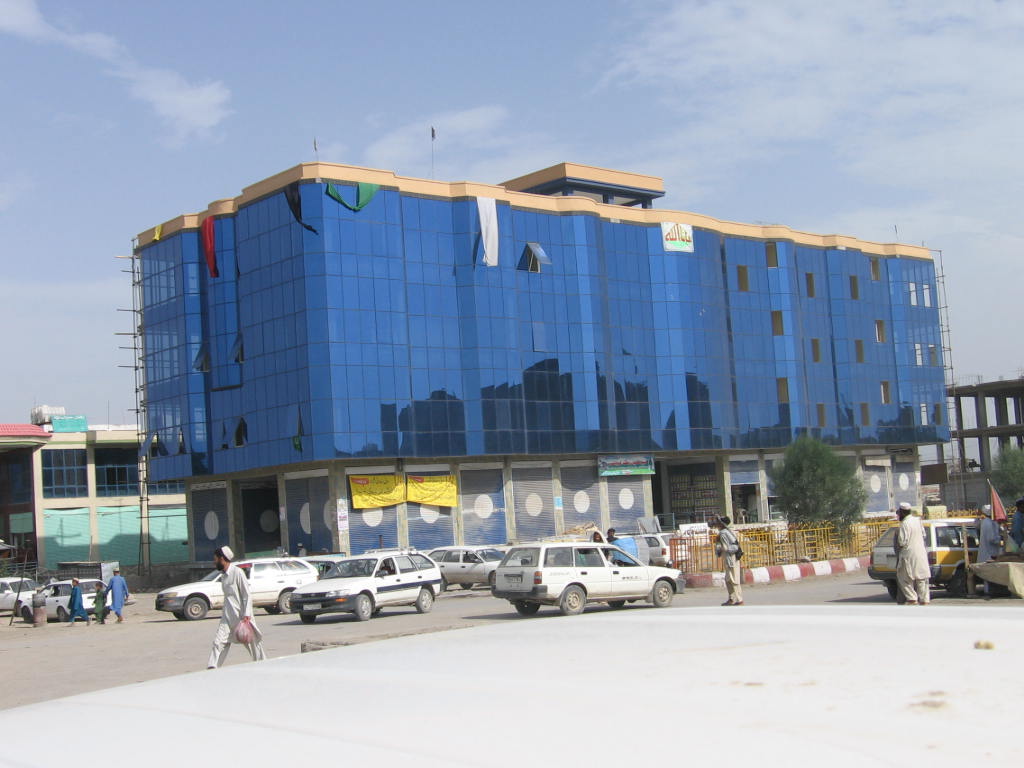
Khost ( Pashto: خوست ) is a city in eastern Afghanistan that functions as the administrative centre of Khost Province. The city is home to roughly 160,000 people and lies about 150 kilometres south of Kabul. Its population is predominantly Pashtun, and Khost serves as a regional hub for provincial government, markets and services.
Image gallery
3 Images

Geography and climate
Khost sits in a mountainous region near Afghanistan’s border with Pakistan. The surrounding terrain mixes valleys and ridges, with roads connecting the city to other provincial centres. The climate is broadly continental: summers tend to be hot while winters can be cool, and precipitation is modest compared with Afghanistan’s high mountain areas.
Culture and society
The social fabric of Khost is shaped by Pashtun tribal traditions, local customs and vernacular Pashto speech. Daily life centers on bazaars, local administration and community councils. Tribal and family ties play an important role in local decision-making and dispute resolution.
History and strategic role
Khost has a modern history marked by political unrest and strategic importance. In the early 20th century the region was the scene of the 1924–25 Khost uprising. During later decades, including the Soviet–Afghan war and the post‑2001 era, its border location and transport links gave it military and logistical significance and made security a central concern for development.
Economy, infrastructure and notable facts
The local economy combines agriculture, small-scale commerce and government employment. Khost contains provincial government buildings, schools and health facilities, and has an airfield that has been used for civilian and military flights. Its proximity to Pakistan supports cross‑border trade but also complicates security and governance. Development efforts in the city often focus on improving roads, services and economic opportunities while managing local and regional tensions.
- Administrative capital of Khost Province
- Predominantly Pashtun population and cultural influence
- Historically and strategically significant due to border location
Related articles
Author
AlegsaOnline.com Khost: city and capital of Khost Province, Afghanistan Leandro Alegsa
URL: https://en.alegsaonline.com/art/53261
Sources
- unhabitat.org : "The State of Afghan Cities report2015" · web.archive.org
- mrrd.gov.af : "Khost", The National Area-Based Development Program (NABDP), Ministry of Rural Rehabilitation and Development