
Khost Province (Afghanistan)
Khost is an eastern Afghan province with a Pashtun majority and Khost city as its capital. Historically part of Paktia, it borders Pakistan and has an economy based on agriculture, trade and public services.
Overview
Khost Province occupies a portion of eastern Afghanistan and is centered on the provincial capital, Khost. The province is predominantly Pashtun and Pashto is the principal language; the local Pashto spelling and name are often cited in regional sources (Pashto). Many descriptions note its strategic location near the international border with Pakistan and its role as a regional market and transit area.
Image gallery
10 Images




Geography and administration
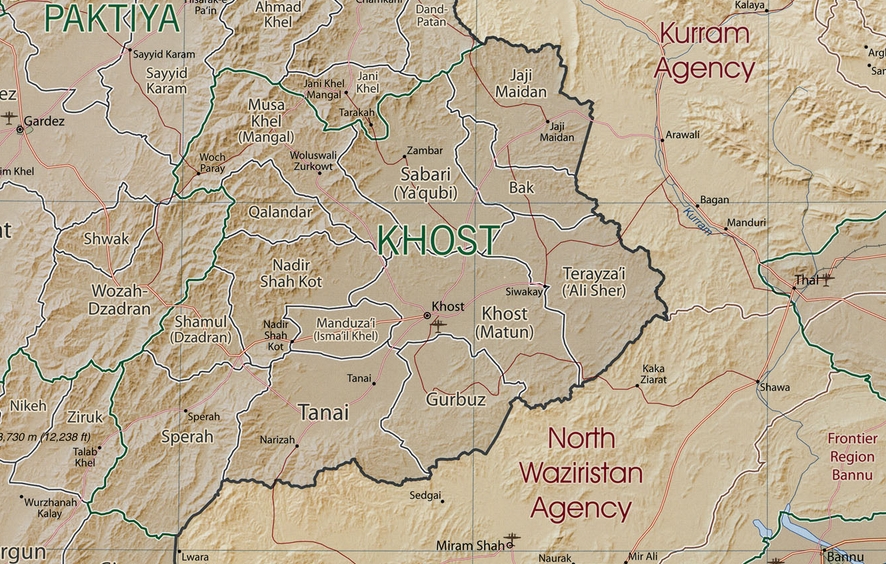
Khost lies to the east of Afghanistan's central highlands and shares frontier areas with Pakistan. It was historically administered as part of neighboring Paktia before later being separated into its own province; further details on that administrative change are discussed in historical accounts (Paktia). The province is subdivided into multiple districts and local municipal areas, with Khost city serving as the political and economic hub (Khost).
History and development
Khost has a long history connected to the broader tribal and political dynamics of southeastern Afghanistan. It experienced waves of conflict during the late 20th and early 21st centuries—during the Soviet era, the civil war that followed, and the post-2001 insurgency—and host nation and international actors have operated in the area. Administratively the province emerged from larger territorial arrangements and developed its own provincial institutions over recent decades.
People, language and culture
The population is largely Pashtun and follows customary Pashtun social practices such as Pashtunwali. Demographic estimates place the province's population in the several hundreds of thousands (often cited near 638,849 in some sources) and the majority identify as Pashtun (Pashtun). Local society is organized around tribal and clan relationships, and Pashto is the dominant vernacular and cultural medium.
Economy, services and security
Khost's economy is primarily agricultural, with farmers producing cereals, fruits and livestock. Cross-border trade and remittances also contribute to household incomes. Public administration and basic services such as education and health are concentrated in Khost city. Security conditions have fluctuated, affecting development and aid efforts; the province has been the focus of both military operations and reconstruction initiatives over time.
Key facts and distinctions
- Capital: Khost city (Khost).
- Language: Pashto (local spelling and name).
- Historical link: formerly administered with Paktia.
- Country: Afghanistan (Afghanistan).
Notable regional figures and provincial governors have shaped local policy; among them is Abdul Jabbar Naeemi, who has been mentioned in public records as a provincial leader. For further reading on provincial administration, society and recent developments consult regional profiles and official briefings (Pashto sources, national overviews).
Related articles
Author
AlegsaOnline.com Khost Province (Afghanistan) Leandro Alegsa
URL: https://en.alegsaonline.com/art/53260
Sources
- mrrd.gov.af : mrrd.gov.af
- nps.edu : Naval Postgraduate school Khost Province Executive summary
- fao.org : Afghanistan Geographic & Thematic Layers