
Kenosha County, Wisconsin
Kenosha County is a southeastern Wisconsin county on Lake Michigan. Its county seat is Kenosha. Established in 1850, the county blends shoreline parks, manufacturing, agriculture and commuter ties to larger cities.
Overview: Kenosha County is a county in the southeastern corner of the U.S. state of Wisconsin. It faces east on Lake Michigan and has a varied landscape of shoreline, lakes, rivers and inland agricultural areas. The county seat is the city of Kenosha, and the administrative unit itself is often described simply as a county. The county was organized and officially founded in 1850.
Image gallery
3 Images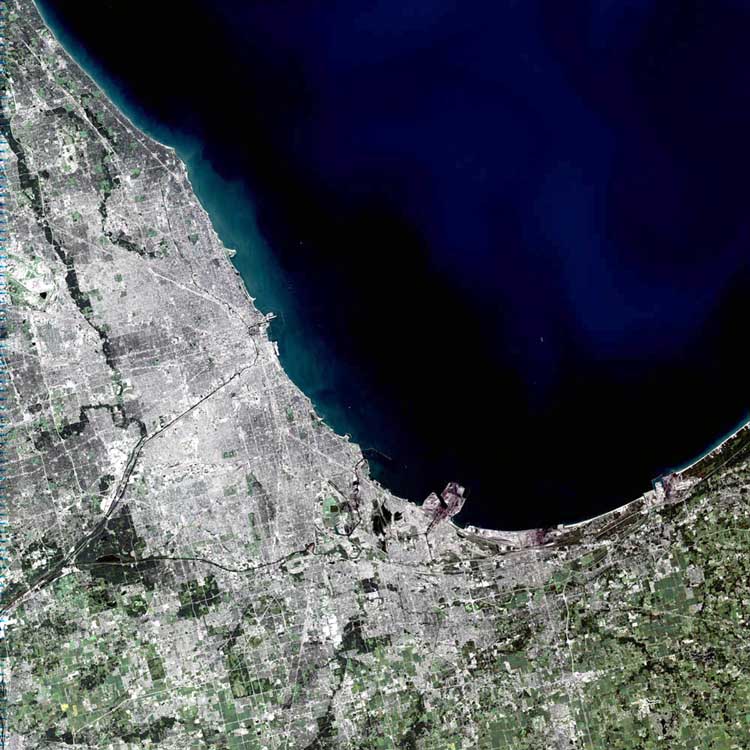


Geography and environment
The county includes public beaches, bluff-lined shoreline and lowland river corridors. Soil and climate support both small farms and suburban neighborhoods. Parks and greenways protect portions of the lakeshore and inland habitat, and local waterways provide recreational fishing and paddling opportunities.
History and development
Kenosha County has long-standing indigenous roots predating European settlement; its modern communities grew during the 19th century with waves of settlers and the arrival of industry. Over time the county developed manufacturing centers, commercial districts and transportation links that shaped its towns and villages.
Characteristics and governance: The county combines urban, suburban and rural zones. Local government operates from the county seat and provides services such as courts, health, highways and planning. Population patterns include city residents, suburban commuters and farming communities.
Economy, transport and recreation
- Economy: a mix of manufacturing, services, retail and agriculture.
- Transport: regional highways and commuter rail connect the county with nearby metropolitan areas; freight rail and local airports support commerce.
- Recreation: beaches, county parks, museums and historic districts draw residents and visitors.
Notable distinctions include the county's lakefront access and its role as a crossroads between larger cities to the north and south, which influences commuting patterns, commerce and cultural ties. For local information consult county resources, visitor guides and regional transit agencies to explore current services and attractions.
Related articles
Author
AlegsaOnline.com Kenosha County, Wisconsin Leandro Alegsa
URL: https://en.alegsaonline.com/art/52920