
Kent Coast Line
Railway line in Kent linking Dover Priory and Margate, serving coastal towns and seaside resorts and supporting local travel, tourism and regional connections.
Overview
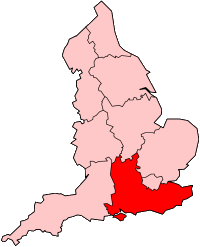
The Kent Coast Line is the name commonly used for the railway route that runs along part of the eastern Kent shoreline, linking Dover Priory in the south to Margate in the north-east. It provides a regional rail link between a series of coastal towns and resorts and forms part of the network serving the county of Kent. Passenger services on the route support daily travel, leisure journeys and seasonal visitor flows.
Image gallery
5 Images



Route and principal stations
The line passes close to a number of well-known towns and communities. Services typically call at locations such as:
- Dover Priory
- Deal
- Sandwich
- Ramsgate
- Broadstairs
- Margate
These places are linked by local and regional trains that interconnect with other lines in Kent, providing onward journeys to larger hubs. Timetables and service patterns may vary by season and operator; more information is available from regional rail providers such as the local operator.
History and development
The coastal railways of Kent were established during the 19th century as part of the wider expansion of rail across Britain. Several historic railway companies built lines to serve ports, towns and seaside resorts, leading to the present-day corridor. Over time the route has been modernised with updated signalling, rolling stock and electrification typical of the southern English network.
Operations and uses
The line is used for regular commuter services, local travel between towns, and leisure journeys to beaches and attractions. Trains operating here are generally those used on regional services, and the corridor links with other routes across Kent, enabling connections to inland and longer-distance services. Passenger numbers rise in summer months when holiday travel increases.
Notable features and issues
Running close to the coast gives the route scenic appeal but also presents engineering and operational challenges: exposure to strong weather, coastal erosion and maintenance needs can affect reliability. The line remains an important part of Kent’s transport mix, balancing everyday travel needs with tourism and regional connectivity.
Related articles
Author
AlegsaOnline.com Kent Coast Line Leandro Alegsa
URL: https://en.alegsaonline.com/art/52937