
Kenneth N. Walker — U.S. Army Air Forces leader and airpower theorist
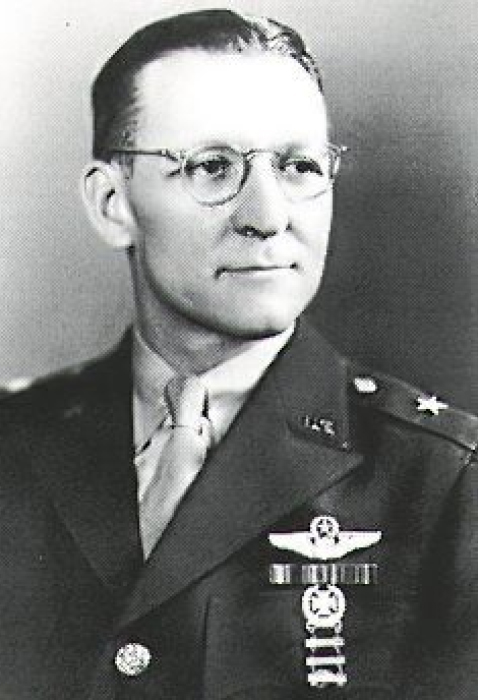
Brig. Gen. Kenneth N. Walker (1898–1943) was a U.S. Army Air Forces officer who helped shape strategic bombing doctrine and was killed leading a daylight raid on Rabaul; he received the Medal of Honor posthumously.
Kenneth Newton Walker (17 July 1898 – 5 January 1943) was an American aviator and senior officer whose professional work and wartime actions influenced the development of U.S. airpower doctrine. A career army aviator by training, Walker became known both for his advocacy of strategic bombardment as a central mission of air forces and for personally leading combat missions in the Pacific during World War II. During his service he held senior positions in the air arm of the U.S. Army and was widely respected as an articulate proponent of an independent air service. He is recognized for his courage in combat and for the posthumous awarding of the Medal of Honor.
Image gallery
8 Images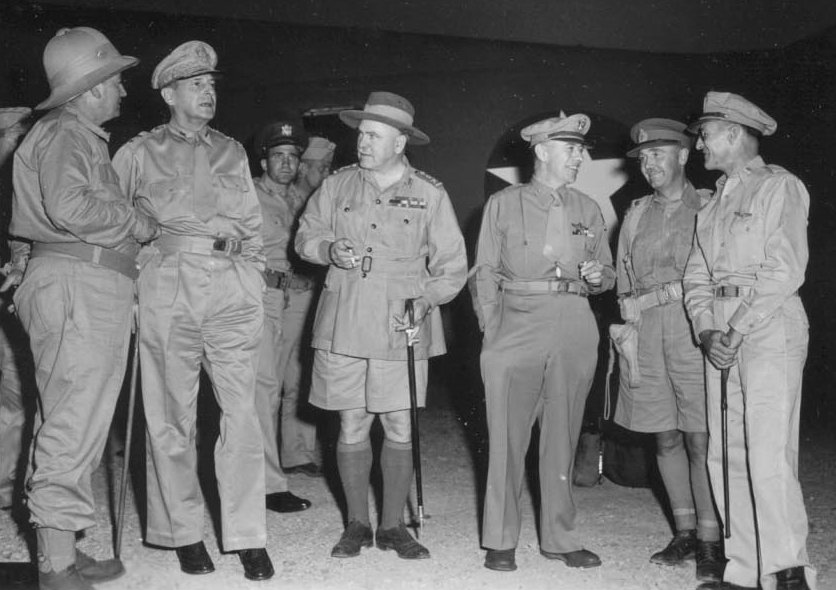


Early career and professional development
Walker entered military aviation in 1917 after the United States joined World War I. He trained as a pilot and served as a flying instructor during and after the war. In 1920 he received a commission in the Regular Army and remained in the evolving air arm through the interwar years. He completed advanced professional schooling, including graduation from the Air Corps Tactical School in 1929, and later served on its faculty. Those assignments placed him at the center of doctrinal debates about how airpower should be organized and employed.
Doctrine, writing, and the "Bomber Mafia"
At the Air Corps Tactical School and in professional journals Walker joined a group of officers—often nicknamed the "Bomber Mafia"—who argued that long-range, heavy bombers would be decisive in modern war. They emphasized the ability of strategic air forces to strike at an enemy's war-sustaining industry, transportation, and economic centers in order to reduce the enemy's capacity and will to fight. Walker wrote and lectured on these subjects, stressing precision, centralized planning, and the need for a service capable of independent strategic operations. These ideas contributed to the intellectual foundation that later supported the creation of a separate United States Air Force.
World War II service and combat leadership
When the United States entered the Second World War, Walker remained an active and outspoken officer. Though promoted to general officer rank, he frequently flew on combat missions to gain firsthand experience and to lead by example. He flew operations in the Southwest Pacific area and took part in missions over the islands and coasts of the theater. For his conduct while flying missions in the New Guinea campaign he was awarded the Silver Star. The New Guinea operations were a difficult combination of long-range navigation, limited basing, and heavy enemy opposition, circumstances in which Walker's emphasis on disciplined planning and bomber employment was tested. He was associated with operations in and around New Guinea during this period.
Death at Rabaul and Medal of Honor
On 5 January 1943, while personally leading a daylight bombing raid against Japanese positions at Rabaul, Walker was shot down and killed. Rabaul was a heavily defended enemy stronghold in the Southwest Pacific and had become a focal point for Allied air operations. For his leadership and sacrifice in that action Walker was posthumously awarded the United States' highest military decoration, the Medal of Honor. His death underscored both the risks senior officers accepted when flying combat missions and the intensity of air combat in the Pacific theater.
Legacy and significance
Walker is remembered for two complementary legacies: as a theorist who helped shape American thinking about strategic bombing and as an operational leader who demonstrated personal commitment in combat. His professional work at the Air Corps Tactical School and his published arguments for concentrating effort in long-range bombardment influenced subsequent doctrine and the organization of air forces. His wartime conduct reinforced the image of air officers who combined intellectual advocacy with front-line leadership.
Notable facts and remembrance
- Walker began his military aviation career in World War I and remained in the air arm through World War II, serving both as instructor and commander.
- He was part of the group of airmen who promoted strategic bombardment as a central mission for modern air forces.
- Though he held general officer rank, Walker continued to fly combat missions and was killed leading a daylight raid on Rabaul.
- He received the nation's highest honor posthumously and was also awarded decorations for earlier combat service.
For further reading on Walker's career and the doctrinal debates of the interwar years, consult contemporary histories of the Air Corps Tactical School and studies of U.S. airpower development. Additional primary sources and citations can be found through military archives and specialist works on Army Air Forces leaders and campaigns of the Southwest Pacific.
United States Army records and collections contain official notices and citations related to Walker's service, and historical analyses of the New Guinea campaign often discuss the operational context in which he served.
Questions and answers
Q: Who was Brigadier General Kenneth Newton Walker?
A: Brigadier General Kenneth Newton Walker was a United States Army aviator and a United States Army Air Forces general who had a significant influence on the development of airpower doctrine.
Q: When did Walker join the United States Army?
A: Walker joined the United States Army in 1917.
Q: What did Walker train to become after joining the army?
A: After joining the army, Walker trained as an aviator and became a flying instructor.
Q: When did Walker receive a commission in the Regular Army?
A: Walker received a commission in the Regular Army in 1920 after the end of World War I.
Q: What did Walker support the creation of within the air organization?
A: Walker supported the creation of a separate air organization for strategic bombardment.
Q: When was Walker awarded the Silver Star and for what?
A: Walker was awarded the Silver Star for flying combat missions over New Guinea.
Q: When was Walker killed and for what action was he awarded the Medal of Honor?
A: Walker was killed on January 5, 1943, leading a daylight bombing raid over Rabaul, and he was awarded the Medal of Honor for this action.
Related articles
Author
AlegsaOnline.com Kenneth N. Walker — U.S. Army Air Forces leader and airpower theorist Leandro Alegsa
URL: https://en.alegsaonline.com/art/52905
Sources
- airforce-magazine.com : "The Tactical School"
- dtic.mil : Kenneth N. Walker: Airpower's Untempered Crusader
- worldcat.org : 39709748
- worldcat.org : 53302987
- jstor.org : 2944180
- ibiblio.org : Vol. I, Plans and Early Operations, January 1939 to August 1942
- worldcat.org : 222565036
- afhra.af.mil : USAF Historical Study 91, Biographical Data on Air Force General Officers 1917–1952
- worldcat.org : 437298983
- worldcat.org : 579354
- worldcat.org : 38602804
- dtic.mil : General Kenney Reports: A Personal History of the Pacific War
- worldcat.org : 1227801
- worldcat.org : 32396801
- jstor.org : 120180