
Kenai Peninsula
A large, ecologically diverse peninsula on Alaska's southern coast, known for its mountains, fisheries, national parks and small coastal communities.
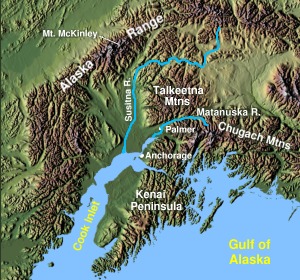
The Kenai Peninsula projects southwest from the southern mainland of Alaska into the Gulf of Alaska and Cook Inlet. It extends roughly 150 miles (240 km) from the mainland and combines rugged mountains, glaciers, long fjord-like inlets and forested lowlands. For a general orientation see a regional map, and broader context is provided by references to Alaska and the United States. The peninsula's name is believed to come from the Russian name Kenayskaya for Cook Inlet, a reminder of the area’s colonial history under Russian influence.
Image gallery
7 Images


Landscape and natural features
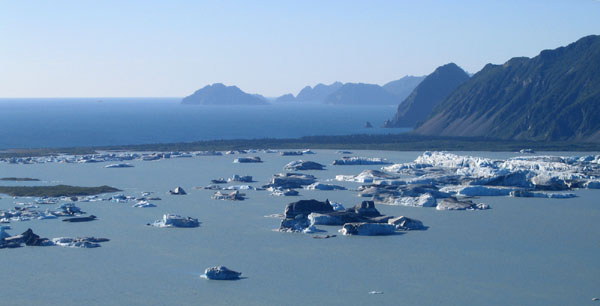
The terrain includes the Kenai Mountains along the eastern spine, numerous tidewater and inland glaciers, extensive wetlands and many freshwater lakes. Coastal shores vary from steep, rocky coves to broad bays. The combination of marine currents and glacial runoff supports productive ecosystems and iconic species such as salmon, bald eagles, bears and moose. Significant protected places include national forests and refuges as well as a national park on the seaward side.
Communities and access
Population centers are generally small towns and borough seats that act as hubs for commerce, recreation and resource activities. Notable communities are Kenai, Soldotna, Seward and Homer. The peninsula has local administration through a borough government with services and planning responsibilities handled at that level; information about the municipal structure can be found via the local borough government.
History and cultural context
Indigenous peoples, including Dena'ina Athabaskan communities, have lived on the peninsula for millennia, relying on salmon and marine resources. European and Russian exploration and trade from the 18th and 19th centuries left place names and historic sites. More recent development has centered on fishing, timber, oil and gas exploration, and growing tourism tied to outdoor recreation and wildlife viewing.
Economy, recreation and conservation
The Kenai Peninsula's economy blends commercial and sport fisheries, tourism, subsistence harvesting and small-scale industry. Angling, hiking, glacier viewing, and wildlife photography draw visitors; ports such as those at Seward and Homer serve fishing fleets and cruise or ferry connections. Conservation efforts balance public-use recreation with habitat protection in areas managed as national forests, wildlife refuges and parks.
Notable distinctions
- Strong seasonal contrasts: long summer daylight and cold, snowy winters with localized maritime moderation on the outer coast.
- High salmon productivity in rivers like the Kenai River, important to regional culture and economy.
- Varied access: a road network connects many interior communities while remote coastal and mountain areas remain reachable only by boat or aircraft.
Together, these features make the Kenai Peninsula a distinct mix of wilderness, working landscapes and small-town life on Alaska's southern edge, valued for both its natural wealth and its cultural heritage.
Related articles
Author
AlegsaOnline.com Kenai Peninsula Leandro Alegsa
URL: https://en.alegsaonline.com/art/52842
Sources
- geonames.usgs.gov : U.S. Geological Survey Geographic Names Information System: Kenai Peninsula
- commons.wikimedia.org : Kenai Peninsula