
Kelmis (La Calamine): Belgian municipality and former mining center
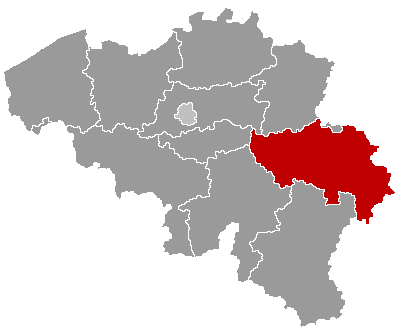
Kelmis (La Calamine) is a municipality in Liège province, Belgium, known for its zinc ore (calamine) mines and its role as the core of Neutral Moresnet, a 19th–20th century neutral territory.

Kelmis, also historically known by its French name La Calamine, is a municipality in eastern Belgium. It lies in the province of Liège and sits close to the borders with Germany and the Netherlands. The town grew up around rich deposits of zinc ore (calamine), which shaped its economy and identity for more than a century.
Image gallery
3 Images
Geography and population
Kelmis occupies a small area of the East Cantons and is situated at roughly 50°43′N, 6°00′E. Its location at the crossroads of three countries has produced a mixed cultural and linguistic environment and active cross-border commerce. Around 10,472 people were recorded in the municipality in 2007, and the community continues to combine residential areas with remnants of industrial infrastructure.

History
The settlement grew around calamine mining, which attracted investment and workers from the region. Following the defeat of Napoleon and the Congress of Vienna, the zinc-rich area became the focus of a territorial dispute and was administered as the curious polity known as Neutral Moresnet from 1816 until the early 20th century. That unusual neutral status ended after World War I, when the territory was integrated into Belgium.
Economy, culture and landmarks
Mining and ore processing dominated Kelmis for generations; facilities and quarries once run by regional companies influenced local architecture and transport. Today the municipal economy mixes light industry, local services and tourism. Museums, memorials and walking routes recall the mining past and the former neutral polity, while cross-border ties support shopping and employment.
Further information
- Administrative status: municipality within Belgium.
- Located in the province of Liège and regionally associated with the eastern borderlands of Liège.
- General country context: Belgium.
Kelmis remains notable for its industrial heritage and unique role in European border history; it is a compact municipality where geology, politics and culture meet.
Related articles
Author
AlegsaOnline.com Kelmis (La Calamine): Belgian municipality and former mining center Leandro Alegsa
URL: https://en.alegsaonline.com/art/52777
Sources
- statbel.fgov.be : Werkelijke bevolking per gemeente op 1 januari 2007 / Population de droit par commune au 1 janvier 2007 (.xls)
- statbel.fgov.be : Geografische coördinaten van de gemeenten (.xls)