
Kelantan — northeastern state of Peninsular Malaysia
Kelantan is a northeastern Malaysian state known for its Malay-Islamic culture, Kota Bharu capital, traditional crafts, coastal and highland landscapes, and close historical ties with southern Thailand.
Overview
Kelantan is a state on the northeast coast of Peninsular Malaysia. It lies along the South China Sea and shares a northern land frontier with southern Thailand. The state's administrative capital is Kota Bharu, a cultural and commercial centre. Kelantan is part of the modern federation of Malaysia and is widely recognized for its distinct Malay identity and conservative social traditions.
Image gallery
6 Images


Geography and environment
The landscape ranges from coastal plains and estuaries to interior hills and low mountain ranges. The climate is tropical monsoon, with a rainy season that affects coastal transport and agriculture. Rivers and wetlands are important for local livelihoods, supporting rice cultivation, fisheries and small-scale aquaculture.
History and development
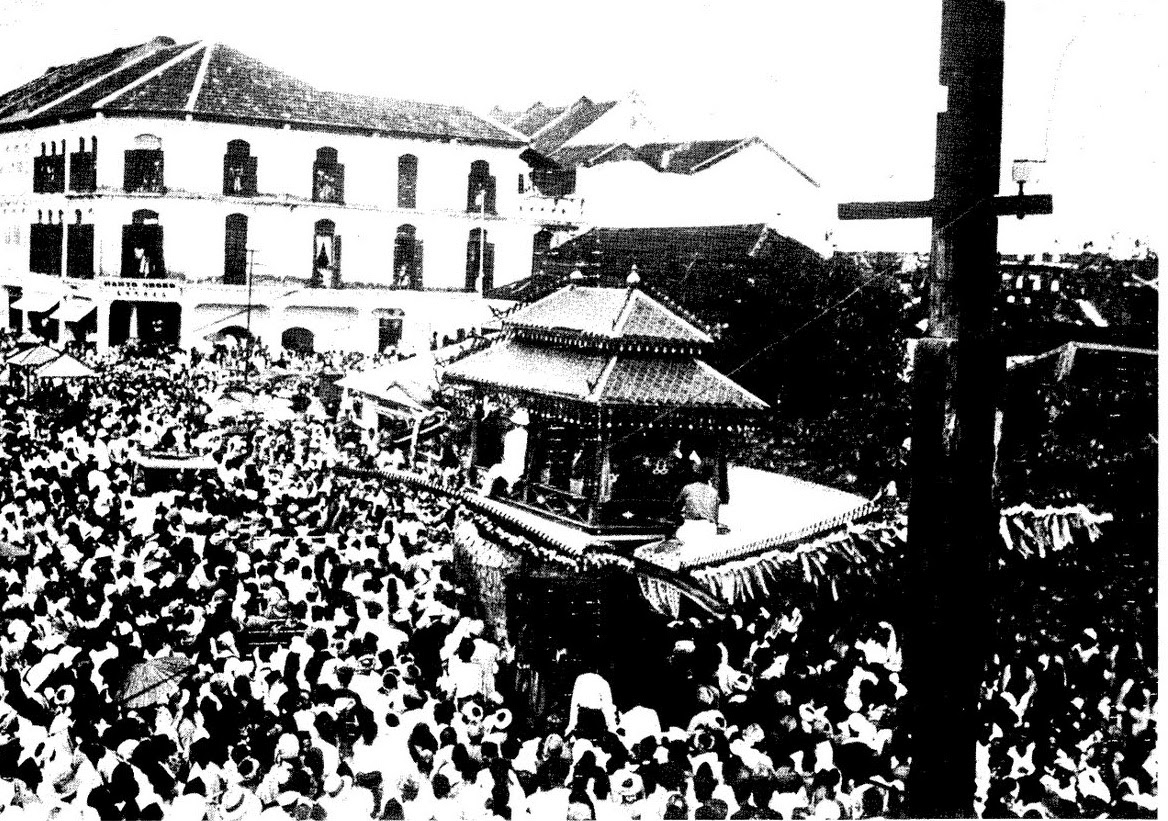
Kelantan has a long history as a Malay sultanate and trading region connected to the Malay world and the Malay-Thai borderlands. Over centuries it experienced influence from regional kingdoms and colonial powers before becoming part of the independent Federation of Malaya in 1957. Its history is reflected in vernacular architecture, royal institutions and folk traditions.
Culture, language and crafts
Malay culture and Islam predominate in daily life, shaping festivals, dress and public norms. The Kelantanese Malay dialect is distinctive and widely spoken. The state is noted for traditional arts and crafts—batik and songket weaving, silverwork, kite-making (wau) and shadow puppetry—practices that attract cultural tourists and sustain local artisans.
Economy and cuisine
The economy combines agriculture (notably wet-rice farming), fishing, small industry and handicrafts. Local markets sell regional specialties such as rice dishes, local salads and preserved fish condiments, which illustrate Kelantan's culinary identity. Modest tourism focuses on cultural experiences, coastal scenery and village life.
Notable features and distinctions
- Reputation as a stronghold of Malay traditional culture and conservative social values.
- Kota Bharu serves as an administrative and cultural hub with museums, marketplaces and religious institutions.
- Close historical and cultural links with southern Thailand, visible in language and material culture.
Related articles
Author
AlegsaOnline.com Kelantan — northeastern state of Peninsular Malaysia Leandro Alegsa
URL: https://en.alegsaonline.com/art/52756
Sources
- tourism.gov.my : "Kelantan: The Cradle of Malay Culture"