
Keelung City
Keelung City is a northeastern Taiwanese port city known as the “Rainy Port,” a provincial city with a long maritime history, active seaport, and cultural landmarks near Taipei.
Overview
Keelung City is a coastal city in northeastern Taiwan, officially administered as a provincial city. Its name appears in Mandarin pinyin as Jīlóng and in Taiwanese Hokkien POJ as Ke-lâng. Located on the northeastern tip of the main island, the city lies close to the greater Taipei area and is part of the administrative framework of Taiwan Province within the Republic of China. Keelung is commonly called the “Rainy Port” for its humid, frequently wet climate and its long maritime role.
Image gallery
10 Images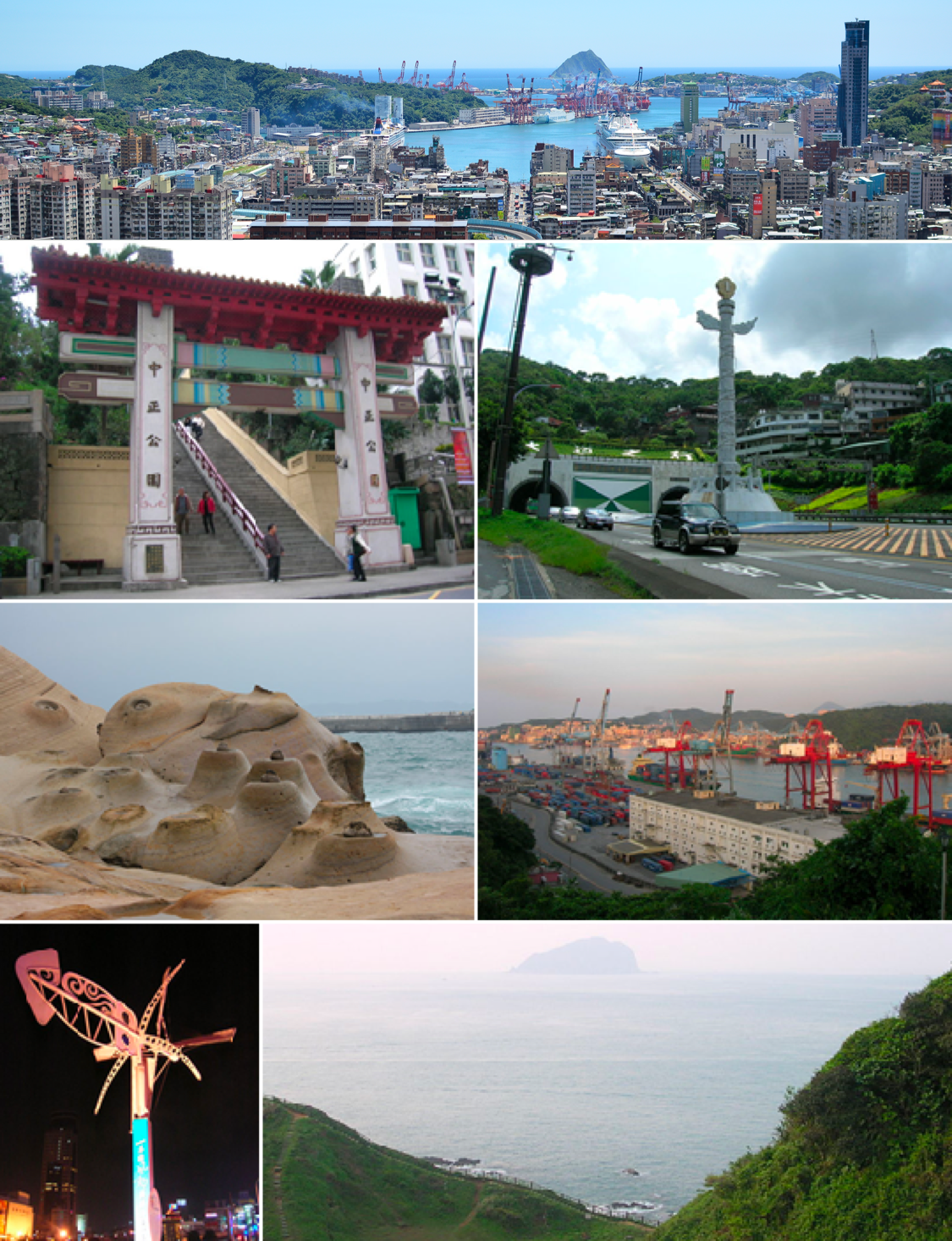



Geography and climate
Keelung occupies a compact coastal basin ringed by hills and peninsulas, with a natural harbor that opens to the Pacific. Its topography concentrates urban development along narrow coastal plains. The climate is maritime and humid, with many overcast and rainy days compared with other parts of Taiwan; this has shaped local architecture, transportation, and daily life.
History and development
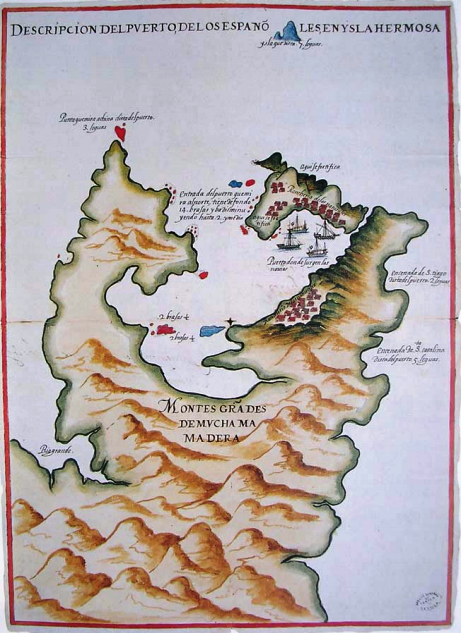
The area around Keelung has been a maritime crossroads for centuries. Indigenous communities, early Chinese settlers, European traders and colonial administrations all left traces in its place names, fortifications and port facilities. Over successive periods the harbor was fortified and expanded to support trade, fishing and naval activities. Industrialization and improved transport links in the modern era further integrated Keelung with northern Taiwan’s economy.
Economy and the port
Keelung serves as one of Taiwan’s principal seaports and plays a significant role in cargo handling, coastal shipping and fisheries. While Kaohsiung handles the largest volume of Taiwan’s international container traffic, Keelung remains a vital northern hub for imports, regional shipping and passenger ferries to nearby islands and coastal destinations such as Kaohsiung in terms of national maritime networks.
Culture, tourism and notable sites
The city blends maritime industry with cultural attractions. Visitors and residents frequent temples, historical forts, museums and waterfront promenades. Local food culture is centered on seafood and night markets. Notable categories include:
- Religious and historic sites: temples and colonial-era fortifications.
- Markets and cuisine: harbor-side fish markets and night market snacks.
- Scenic and recreational spots: coastal walks, viewpoints and small museums.
Transport and administration
Keelung is connected to greater Taipei by rail, highway and frequent bus services; local ferries serve nearby islands and coastal routes. The city government manages urban planning, port operations and cultural programs appropriate to a compact, densely built coastal municipality. Keelung’s combination of natural harbor, historic layers and maritime economy makes it a distinctive element of northern Taiwan’s urban and coastal landscape.
Pinyin reference • Hokkien POJ • administration • province • national status • island context • port networks
Related articles
Author
AlegsaOnline.com Keelung City Leandro Alegsa
URL: https://en.alegsaonline.com/art/52689