
Kėdainiai — historic town in central Lithuania
Kėdainiai is a central Lithuanian town on the Nevėžis River, noted for its preserved old town, multiple churches, multicultural history and a local chemical and fertilizer industry.
Overview
Kėdainiai is a town in central Lithuania that serves as an administrative and cultural centre for its district. It sits along a lowland river plain and is home to a community numbering in the tens of thousands. The town combines a compact historic core with surrounding modern neighbourhoods and agricultural land.
Image gallery
10 Images



Geography and setting
The town lies on the banks of the Nevėžis River, one of Lithuania’s major lowland waterways. The river valley shaped local agriculture and transport routes and provides green corridors and recreational spaces within and around the settlement. Kėdainiai occupies a strategic position on roads linking larger cities in the region.
History and development
Kėdainiai has deep historical roots stretching back several centuries. Its growth reflects changing political and economic conditions in the region: from medieval market settlement to an early modern town with a diverse population of merchants, artisans and religious communities. Like many towns in the area, it experienced upheavals in the 20th century that altered its demography and built environment.
Architecture, churches and heritage
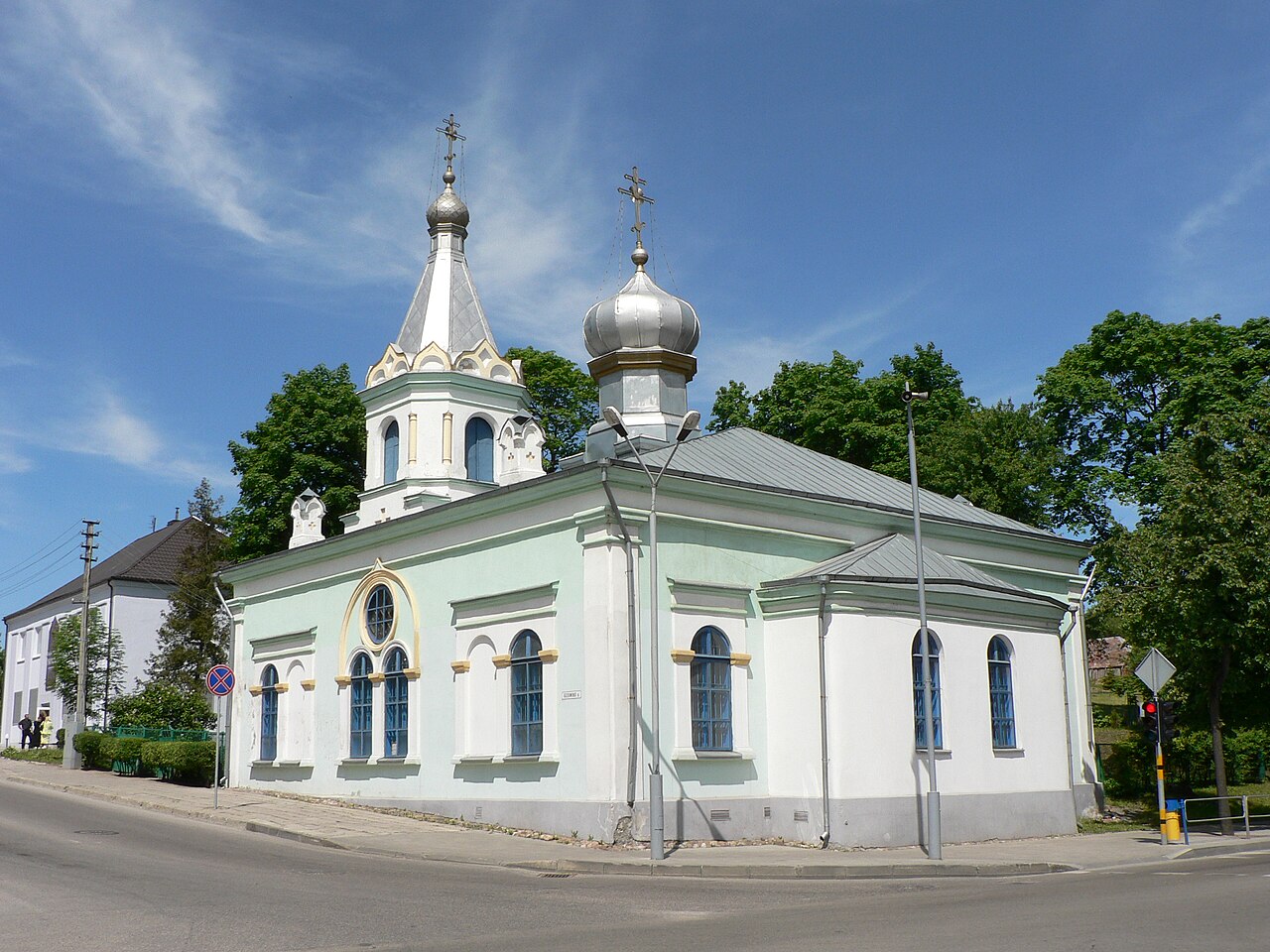
The town’s old quarter contains a notable concentration of historic buildings and several churches representing different denominations. Narrow streets, a traditional market square and preserved civic architecture create a clear sense of place. Local museums, monuments and preserved synagogal sites testify to the multicultural layers of the town’s past.
Economy and contemporary importance
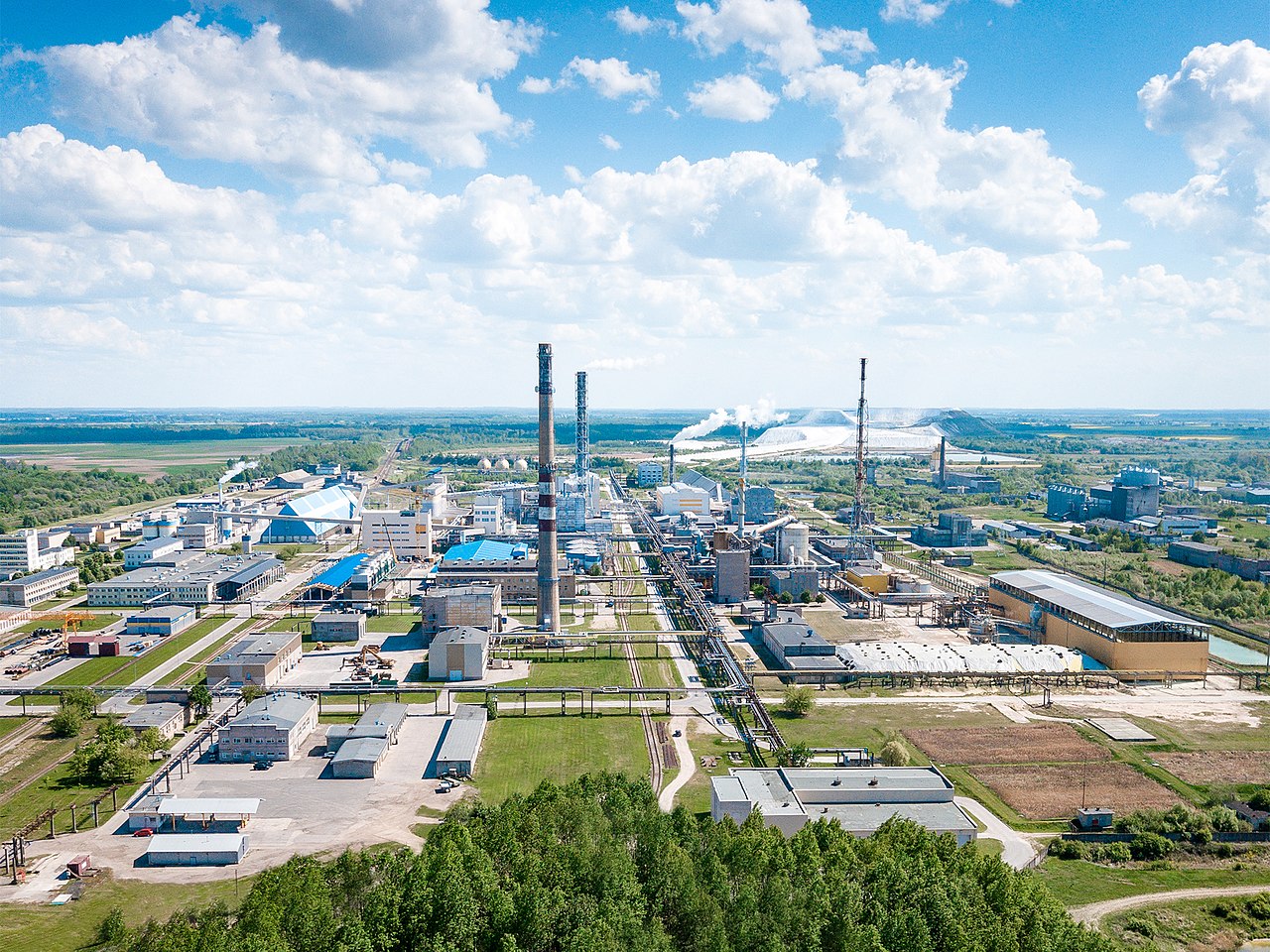
Kėdainiai functions as a local industrial hub with a long-standing connection to agro‑industry and chemical manufacture. Large plants for fertilizer and related chemical products operate near the town, making industry an important employer and economic factor in the region. At the same time, services, food processing and small enterprises support everyday life.
Visitors, culture and notable facts
Visitors are drawn by the old town atmosphere, church ensemble and riverside walks. Cultural events and community festivals emphasize regional traditions. For further overviews of the town’s administration, industry and cultural sites see resources on local industry and science: industry and chemistry.
- Key feature: preserved historic centre and several churches
- Natural feature: Nevėžis River corridor
- Economic note: local chemical and fertilizer industry
Related articles
Author
AlegsaOnline.com Kėdainiai — historic town in central Lithuania Leandro Alegsa
URL: https://en.alegsaonline.com/art/52681