
Kecskemét — city of the Hungarian Plain: history, culture and economy
Kecskemét is a regional city in central Hungary known for Art Nouveau architecture, musical heritage, apricot production and modern industry. It is a cultural and economic center of the Great Hungarian Plain.

Kecskemét is a city in Hungary, situated on the central Great Plain (Alföld). It serves as the administrative seat of its county and is counted among the country's larger urban centres by population (see statistics). The name of the town traces back to the Hungarian word kecske ("goat"), which survives in local place names and folklore (etymology).
Image gallery
10 Images


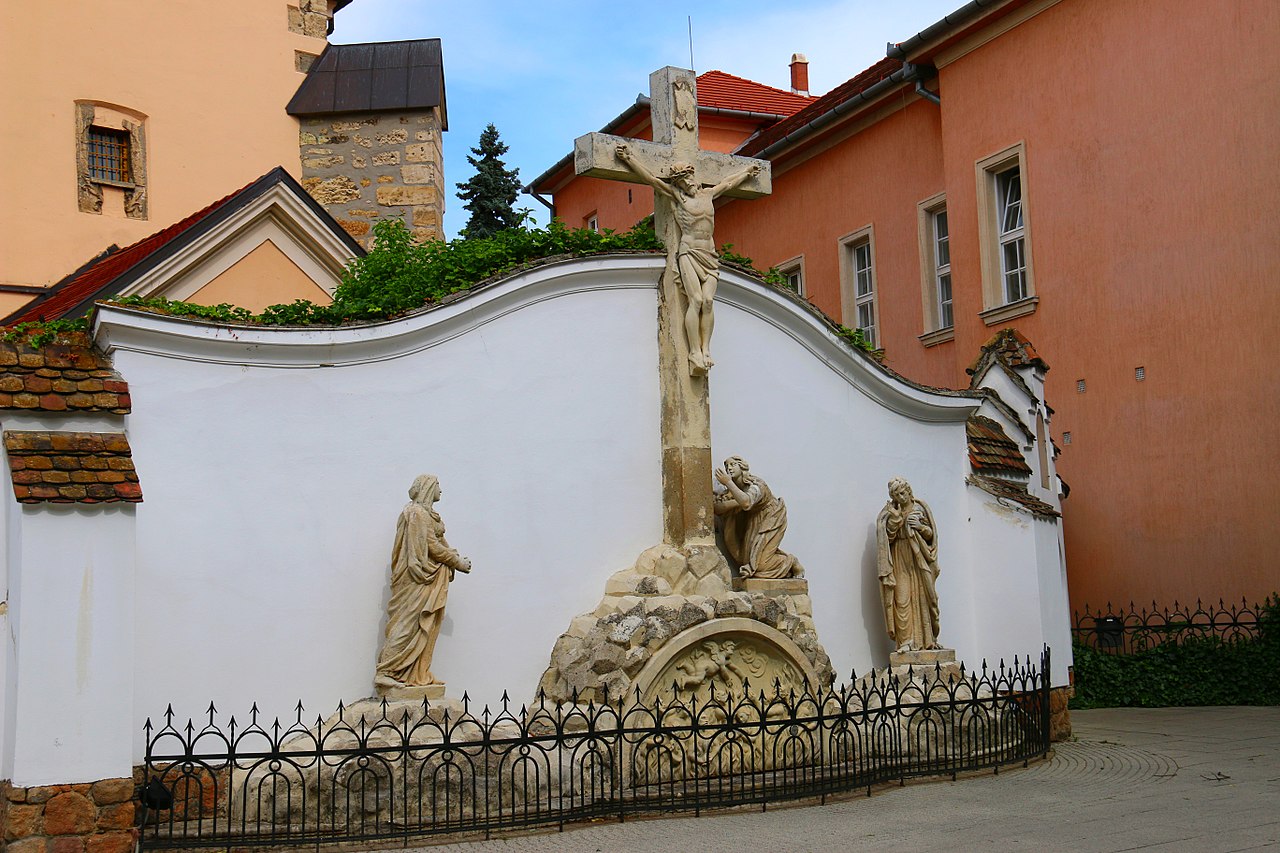


Origins and development
Archaeological finds and medieval records show Kecskemét grew as an agricultural market town on a crossroads of regional routes. Over centuries it experienced phases of decline and revival—surviving Ottoman occupation, expanding in the 18th–19th centuries with new civic institutions, and modernizing in the 20th and 21st centuries as transport and industry developed.
Architecture, culture and education
The city is noted for a compact historic centre with examples of Art Nouveau and eclectic civic architecture, including decorative civic buildings and merchants' houses. Kecskemét is also known for its musical heritage: it is the birthplace of composer Zoltán Kodály and hosts music schools, museums and festivals that continue that tradition.
Economy and transport
Traditionally agricultural—especially fruit growing and apricot-based products such as pálinka—the local economy now mixes food processing, manufacturing and services. In recent decades modern industry has established a presence, and the city is linked by regional roads and rail; a nearby air base contributes to transport and employment.
Notable features and visitor highlights
- Historic centre and decorative public buildings.
- Museums and musical institutions celebrating Kodály and regional culture.
- Local gastronomy focused on apricot products and market produce.
- Contemporary industry alongside traditional agriculture.

Today Kecskemét functions as a regional hub: it balances preservation of local traditions with contemporary economic roles, making it significant both for visitors interested in Hungarian provincial culture and for businesses operating on the Great Plain.
Related articles
Author
AlegsaOnline.com Kecskemét — city of the Hungarian Plain: history, culture and economy Leandro Alegsa
URL: https://en.alegsaonline.com/art/52679
Sources
- ksh.hu : Detailed Gazetteer of Hungary