
Arbon, Switzerland: Lakeside Town and District Capital in Thurgau
Arbon, on Lake Constance in Thurgau, Switzerland, is a district capital blending a lakeside medieval core with industrial and residential areas, offering transport links, museums, promenades and local services
Arbon sits on the southern shore of Lake Constance in northeastern Switzerland. The town is a local administrative centre: it is a municipality and the district capital of Arbon, located within the canton of Thurgau.
Image gallery
10 Images


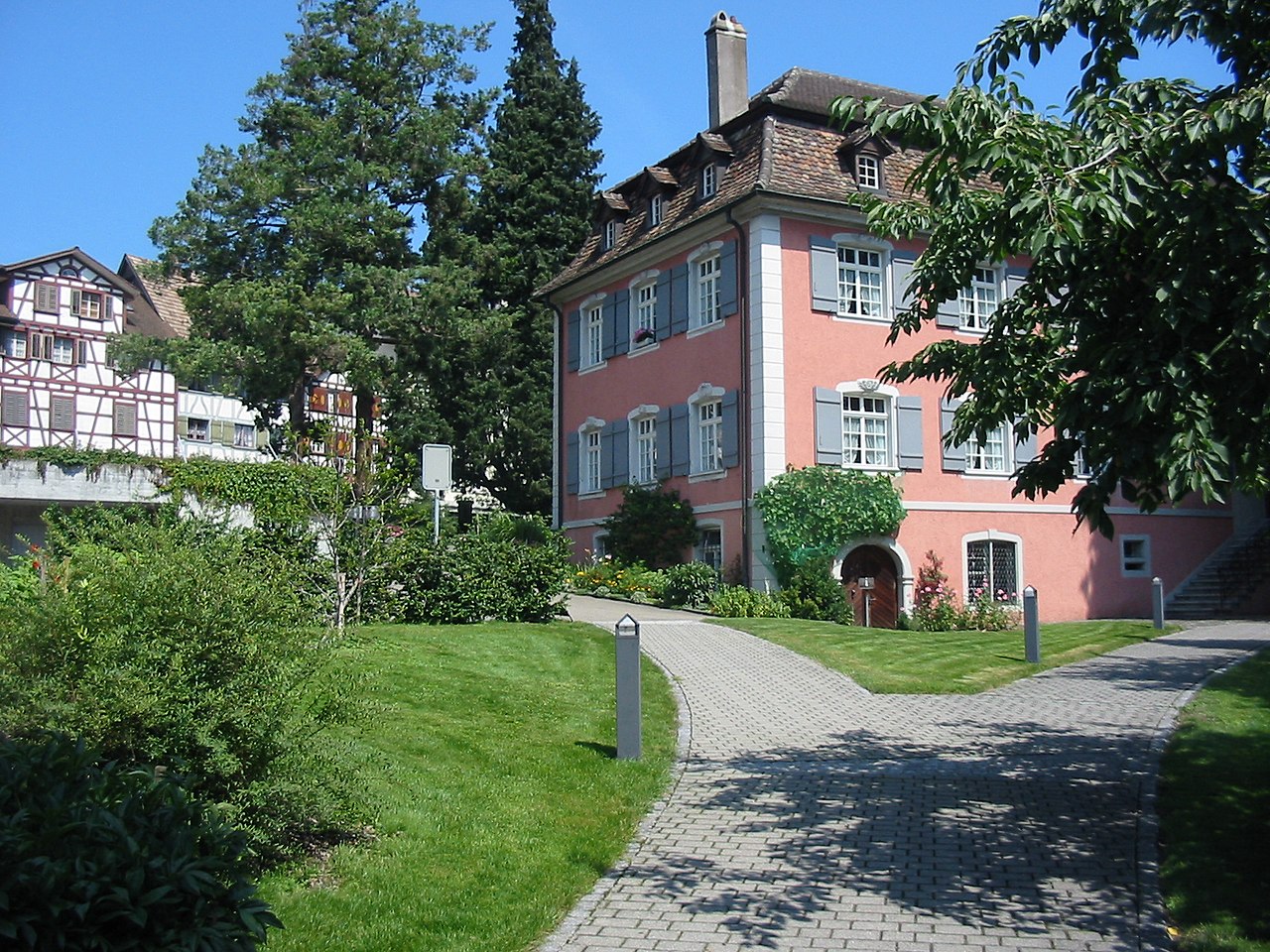


Overview
Arbon combines a historic core beside the lake with more modern residential and industrial areas inland. Its position on a major Central European lake has shaped the town’s economy and transport links for centuries.
History
Archaeological evidence indicates settlement in the area since ancient times, including remains from the Roman period. During the medieval era the settlement developed into a fortified town. From the 19th century onward Arbon expanded rapidly with the rise of industry, particularly textile production, and later diversified into other light manufacturing and service sectors. Today the town retains visible traces of its layered past alongside contemporary urban development.
Geography and transport
The municipality borders the lake and features a mixture of shoreline, built-up areas and surrounding farmland. Arbon is connected to nearby towns and regional centres by road and rail, and has facilities for lake traffic that support both local commuting and tourism.
Economy and infrastructure
Local economic activity includes light industry, commercial services and tourism related to the lakeshore and historic centre. Municipal services and small-to-medium enterprises are important employers. Infrastructure supports commuting to larger urban areas while maintaining local amenities.
Culture and points of interest
- Historic town centre and lakeside promenade
- Museums and cultural events presenting local history and art
- Recreational opportunities on and beside Lake Constance
Administration
Arbon is governed as a Swiss municipality within the political structures of the district of Arbon and the canton of Thurgau. Local government administers planning, schools, utilities and community services for residents of the town and surrounding districts.
Tags
Related articles
Author
AlegsaOnline.com Arbon, Switzerland: Lakeside Town and District Capital in Thurgau Leandro Alegsa
URL: https://en.alegsaonline.com/art/5229
Sources
- bfs.admin.ch : "Arealstatistik Standard - Gemeinden nach 4 Hauptbereichen"
- bfs.admin.ch : "Ständige Wohnbevölkerung nach Staatsangehörigkeitskategorie Geschlecht und Gemeinde; Provisorische Jahresergebnisse; 2018"