
Arboga — historic town and municipal seat in Västmanland, Sweden
Arboga is a small historic town in central Sweden, the seat of Arboga Municipality in Västmanland County. Known for its medieval centre, riverside setting and preserved buildings, it combines heritage and modern local life.
Arboga is an urban area in the county of Västmanland, located in central Sweden and serving as the administrative centre of Arboga Municipality. The town lies by a river that passes through its historic centre and has a long record as a local market and administrative place within Sweden. Though modest in size, Arboga is noted for a cluster of well-preserved older buildings and streets that reflect its medieval and later development.
Image gallery
2 Images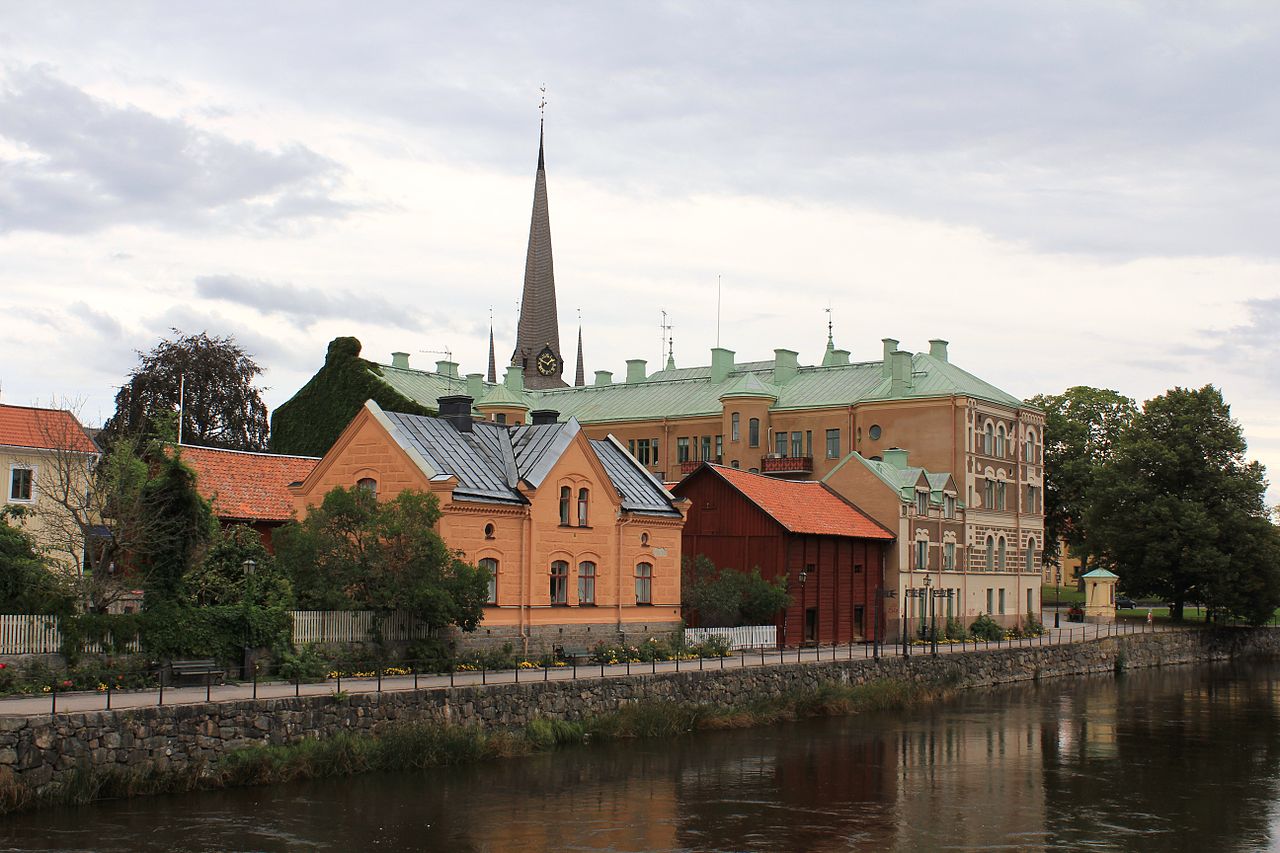

History and development
Arboga grew up around a river crossing and market activity during the Middle Ages. Over centuries it functioned as a regional hub for trade, crafts and administration. In the late medieval period the town was the site of important assemblies and gatherings, and many of its churches and timber or stone houses date from later historic phases. Industrialisation and improved transport in the 19th and 20th centuries changed the local economy while leaving the core townscape largely intact.
Characteristics and sights
- Compact old town with historic streets and a mix of timber and stone buildings.
- Parish churches and municipal heritage sites that document local history.
- Riverside parks and walking routes that follow the water through the town.
- Museums, cultural programmes and occasional festivals that celebrate local traditions.
Today Arboga combines heritage tourism with everyday municipal functions. It remains the seat of local government, and the town is connected by regional roads and rail links to larger Swedish cities, making it a point of interest for visitors exploring Västmanland and the broader inland region. For practical information, visitor details and municipal services consult official resources or local guides (urban area overview, county information, regional context, national context, municipal services).
Notable distinctions include Arboga's character as a small town where historic structure and community life remain closely intertwined, offering an example of Sweden's many regional towns that preserve a clear link between past and present.
Tags
Related articles
Author
AlegsaOnline.com Arboga — historic town and municipal seat in Västmanland, Sweden Leandro Alegsa
URL: https://en.alegsaonline.com/art/5224