
Kapilavastu: ancient capital associated with the young Buddha
Kapilavastu was the capital of the Shakya clan and the childhood home of Siddhartha Gautama. Its exact location is debated; two main archaeological candidates lie in present-day Nepal and India.
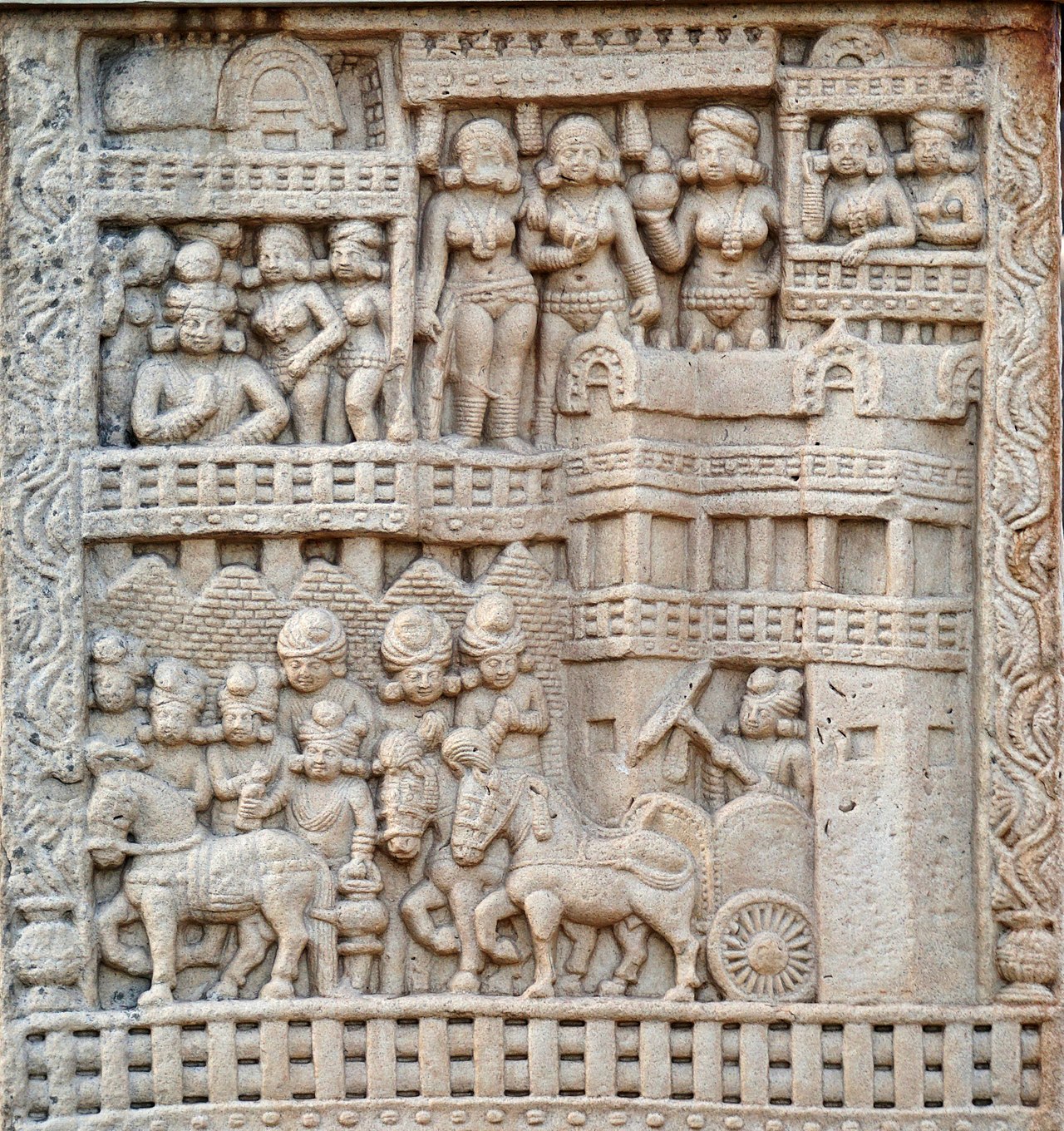
Kapilavastu (also Kapilavatthu) is the name given in Buddhist tradition to the capital of the Shakya clan and the town where Siddhartha Gautama lived until his renunciation and later awakening as the Buddha. The site figures prominently in early biographies: it is described as the family seat, the place of princely life, marriage and the birth of his son, and the point from which he departed in search of spiritual liberation.
Image gallery
7 Images


Location and candidates
The precise location of ancient Kapilavastu is not fixed by contemporary records and has been a subject of long debate among historians and archaeologists. Two principal candidate sites are commonly proposed: Tilaurakot, in present-day Nepal, and Piprahwa (sometimes spelled Piprāwā), in present-day Uttar Pradesh, India. Both lie roughly west of Lumbini, the traditional birthplace of the Buddha, and both have produced remains that supporters connect to an early urban settlement and to material dated to the period associated with the historical Buddha.
Archaeological and textual evidence
Evidence for Kapilavastu comes from a mixture of archaeology and narrative accounts. Early Chinese pilgrims such as Faxian and Xuanzang left travel descriptions that give distances and landmarks which scholars have used to estimate Kapilavastu's position relative to Lumbini. Excavations at Tilaurakot and at Piprahwa have revealed walls, pottery, shrines and other features consistent with a fortified town and with long-term occupation. A reliquary and other finds at Piprahwa in the late 19th and early 20th centuries were interpreted by some as linked to early Buddhist practice, while archival and on-site work at Tilaurakot has emphasized its continuity as a civic complex.
Historical context and significance
Kapilavastu was the political center of the Shakyas, a small republican or oligarchic polity in the plains north of the Ganges. According to tradition, Siddhartha was raised there in a royal household, married and later left to seek a solution to human suffering. Because of these associations, Kapilavastu is central to Buddhist cultural memory: events in the Buddha's early life are set there, and the town appears frequently in canonical and later texts.
Modern importance and debates
Today both candidate sites attract pilgrims, historians and tourists. Tilaurakot is protected and interpreted as an archaeological site in Nepal, while Piprahwa is a focus of monuments and museums in India. Scholarly consensus has not settled on a single location; arguments weigh textual distances, topography and material finds differently. The debate illustrates how archaeology and literary sources are combined in reconstructing ancient landscapes.
Visiting and further reading
- Pilgrimage: visitors often combine Kapilavastu candidates with Lumbini, Kushinagar and Sarnath to follow the Buddha's life events.
- Research: archaeological reports and translations of pilgrim accounts are primary resources for understanding the site's history.
- Context: see broader studies of the Shakya clan and early Buddhist history for cultural background; for information on the Buddha, consult sources about Gautama Buddha.
For information on the modern nation containing one of the candidate sites, see general resources on Nepal. Both Kapilavastu candidates remain important for religious heritage, national history and the study of early Buddhism, and they continue to be investigated by scholars working across national and disciplinary boundaries.
Related articles
Author
AlegsaOnline.com Kapilavastu: ancient capital associated with the young Buddha Leandro Alegsa
URL: https://en.alegsaonline.com/art/52229
Sources
- commons.wikimedia.org : Kapilavastu
- whc.unesco.org : "Lumbini, the Birthplace of the Lord Buddha"
- vam.ac.uk : "Kapilavastu"
- archaeology.org : "Competing Claims on Buddha's Hometown"