
Karditsa — City in Thessaly, Greece
Karditsa is a regional Greek city located on the Thessaly plain. This article summarizes its geography, economy, history, transport links and local features, with context and practical distinctions.
Karditsa is a city in central Greece, serving as an administrative and commercial centre for the surrounding rural district. It sits on the fertile Thessaly plain and has long been associated with agriculture and regional services. Official census figures reported 35,971 inhabitants in 2001, a figure often cited for historical comparison.
Image gallery
10 Images




Geography and setting
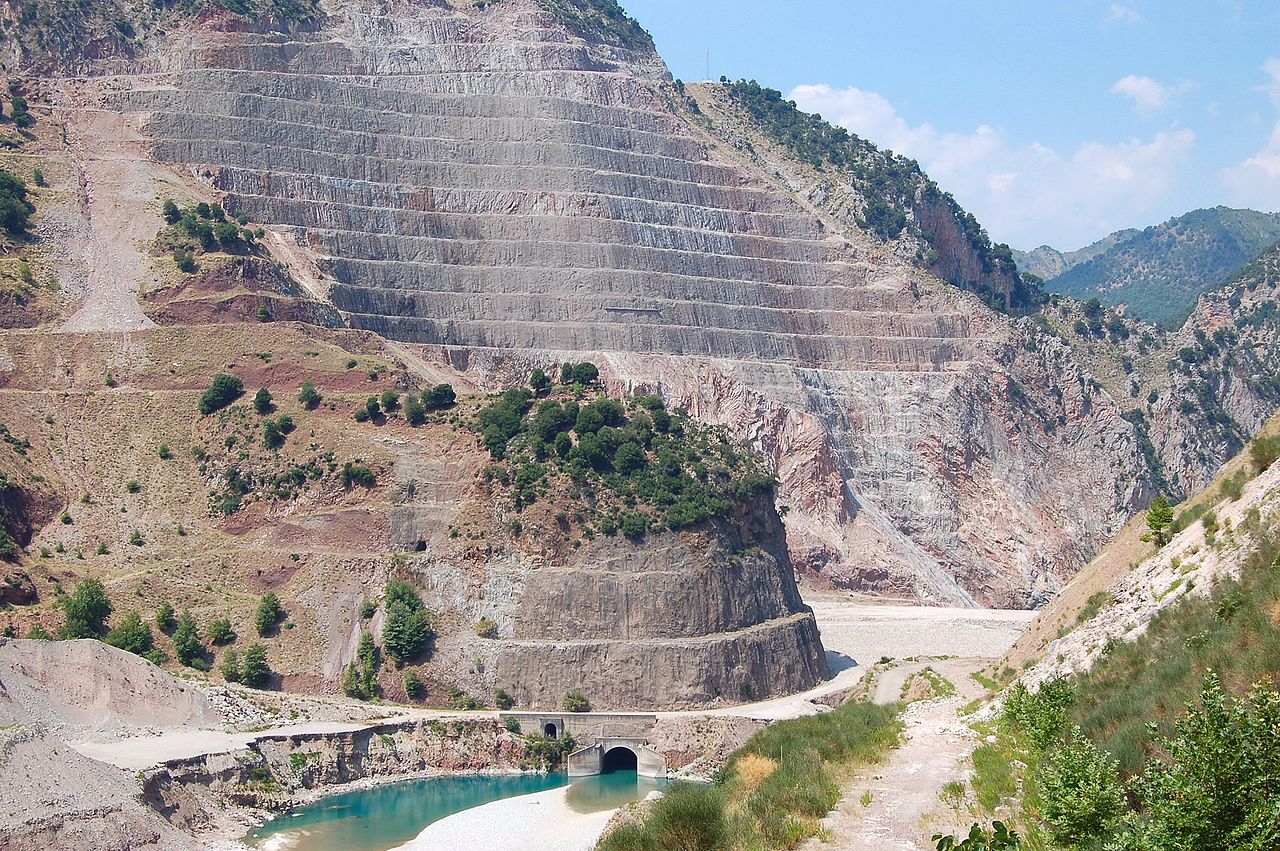
Located in the region of Thessaly, Karditsa is built on the extensive flatlands of the Thessalian plain, one of the country's largest agricultural lowlands. To the west of the city rise the Agrafa mountains, part of the Pindus range, which shape local climate and hydrology. The nearby city of Trikala lies within easy travelling distance, contributing to a network of urban centres across the plain.
History and development
The area around Karditsa has a long rural history and developed into an urban centre during the Ottoman period and the modern Greek state. Over the 19th and 20th centuries it expanded as agricultural output rose and transport links improved. The city's architecture and layout reflect successive phases of growth, with a mix of older quarters and planned modern expansions.
Economy and land use
Karditsa's economy remains strongly tied to agriculture and food production, benefiting from the fertile plain and irrigation. Crops, livestock and related processing industries support local employment. The city also functions as a commercial hub for services, retail and light manufacturing that serve surrounding villages and farms.
Culture, services and transport
As a regional centre, Karditsa offers cultural institutions, secondary and higher education facilities, health services and municipal amenities. It is connected by road and regional rail to other parts of Thessaly and central Greece, facilitating movement of people and agricultural goods. Local festivals and markets reflect rural traditions and seasonal harvests.
Notable features and practical notes
- Setting: built on the Thessaly plain, with the Agrafa range to the west.
- Role: regional administrative and service centre with agricultural economy.
- Nearby cities: Trikala and other Thessalian towns form a close network.
- Further reading: regional overviews and travel guides often place Karditsa in the context of Thessaly's agricultural landscape; see local resources at Thessaly plain summaries.
Karditsa illustrates the relationship between Greek plains and rural urban centres: a modest-sized city that functions as a focal point for farming communities while providing the services and connections typical of provincial capitals.
Questions and answers
Q: Where is Karditsa located?
A: Karditsa is a Greek city located in the center of Greece in the district of Thessaly.
Q: How many people lived in Karditsa according to the 2001 census?
A: According to the 2001 census, Karditsa had a population of 35,971 people.
Q: What is the geographic feature near Karditsa?
A: Near Karditsa is the city of Trikala.
Q: What is the Thessaly plain?
A: The Thessaly plain is the large plain on which Karditsa is built. It is the second largest plain in Greece.
Q: What kind of city is Karditsa?
A: Karditsa is an agricultural city.
Q: What mountain range is located west of Karditsa?
A: The Agrafa range is located west of Karditsa. It is a part of the Pindus range.
Q: What is the significance of the plain on which Karditsa is built?
A: The plain on which Karditsa is built is significant because it is the second largest plain in Greece and is used for agriculture.
Related articles
Author
AlegsaOnline.com Karditsa — City in Thessaly, Greece Leandro Alegsa
URL: https://en.alegsaonline.com/art/52286