
Kalona, Iowa: a small city with strong Amish and agricultural heritage
Kalona, Iowa, is a small southeastern Iowa city noted for its Amish and Mennonite communities, agricultural economy, local crafts, and museums that attract regional visitors.
Kalona is a small city in southeastern Iowa within the United States. It functions as a local center for farming, small business, and cultural tourism. Visitors and residents alike associate the community with a mixture of rural industry, historic buildings, and living traditions tied to nearby Amish and Mennonite settlements.
Image gallery
3 Images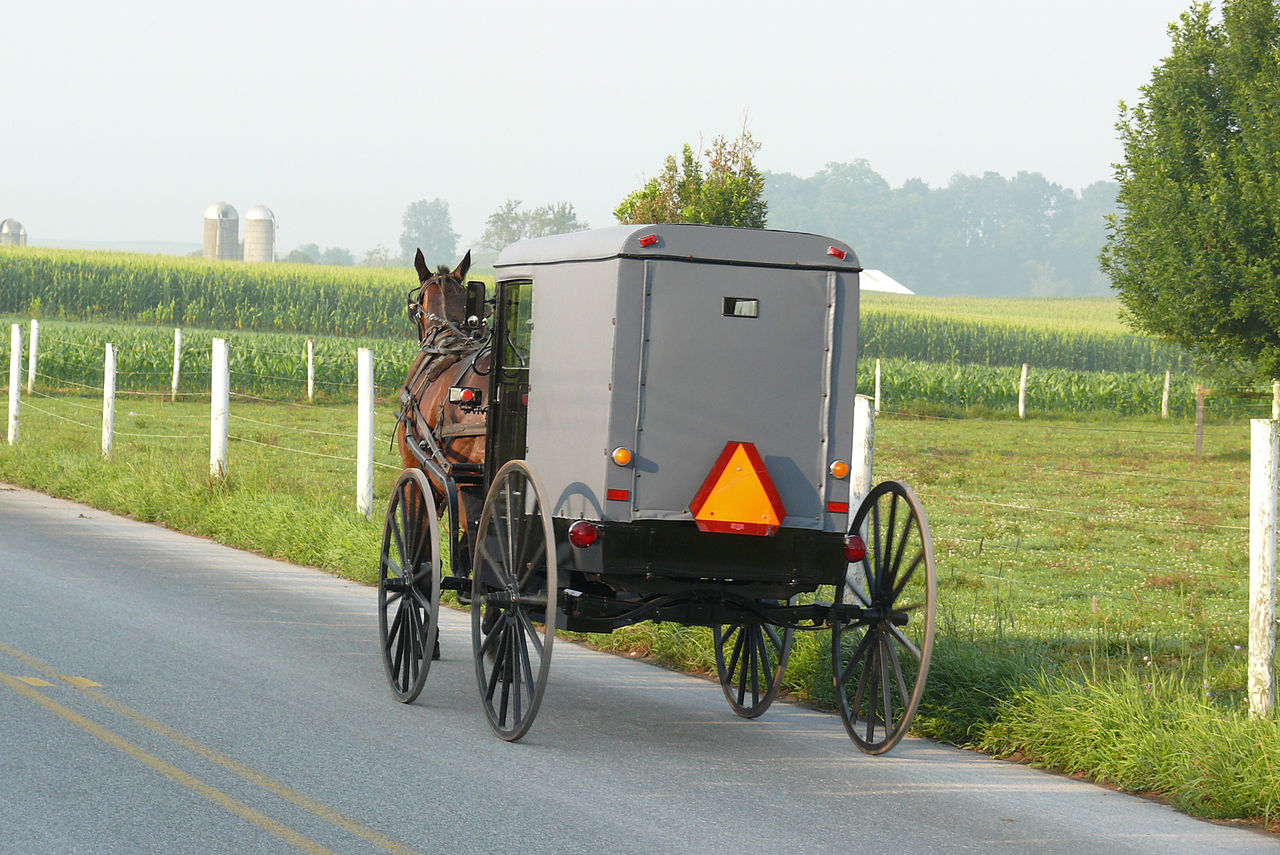


Location and character
Kalona sits in a largely agricultural landscape of fields and small woodlots. Its built environment combines a compact downtown of modest commercial buildings with surrounding farms and residential neighborhoods. The town is often described as an accessible base for exploring rural southeast Iowa and experiencing artisanal food and craft producers.
History and origins
Settlement in the area began in the 19th century as farmers and tradespeople established communities across Iowa. Kalona grew around agricultural trade and local services that supported surrounding farms. The origin of the town’s name is not definitively recorded in widely known sources; local histories offer differing explanations tied to early settlers and popular naming trends of the period.
Community and culture
Kalona is notable for the presence of Amish and Mennonite families in the surrounding countryside. These communities contribute to the social and economic life of the region through farming, craftsmanship, and markets. Traditional practices and plain dress are visible in daily life, and many local businesses cater to both residents and visitors seeking handmade goods, quilts, furniture, and farm products.
Economy and attractions
The local economy is anchored by agriculture, food production, and small manufacturing, with added activity from tourism. Typical attractions and amenities include:
- Farmers’ markets and farm stands offering produce and dairy products.
- Workshops and stores selling handmade furniture, quilts, and crafts.
- Small museums or historical exhibits that interpret local pioneer and religious history.
- Seasonal community events that showcase local culture and produce.
Notable distinctions
While modest in size, Kalona serves as a regional example of how Amish and Mennonite life intersects with broader rural economies in the United States. It provides an accessible setting for learning about traditional farming methods, artisanal production, and the persistence of communal religious traditions in a modern American context.
Related articles
Author
AlegsaOnline.com Kalona, Iowa: a small city with strong Amish and agricultural heritage Leandro Alegsa
URL: https://en.alegsaonline.com/art/52008