
Kalisz: historic city in Greater Poland
Kalisz is an urban center in central-western Poland, located in Greater Poland Voivodeship. Known as one of Poland’s oldest towns, it combines medieval roots, industrial growth and regional cultural life.
Overview
Kalisz is a city in central‑western Poland, situated in the historical region of Greater Poland. It serves as a local administrative, economic and cultural hub. The municipality reported 105,386 inhabitants in 2011; contemporary figures remain close to that scale.
Image gallery
10 Images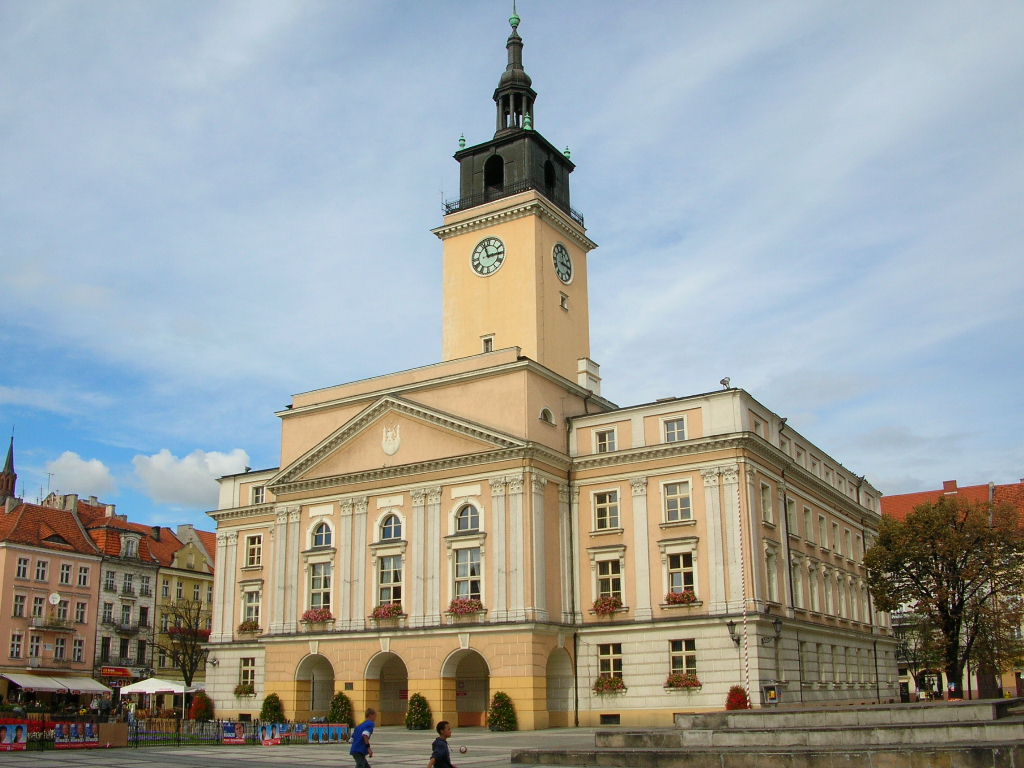


History and development
The settlement of Kalisz has very early roots and appears in medieval sources as an established trading place. Its location on overland and river routes favored craft and commerce. Over centuries the town evolved through medieval self‑government, early modern changes, 19th‑century industrialisation and major upheavals during 20th‑century wars that significantly affected its buildings and population.
Geography and urban character
Located near the Prosna River, the city combines a traditional market quarter and compact historic streets with later residential districts and industrial zones. Public parks, linear waterways and civic squares structure the urban fabric, while surrounding agricultural lands link the city to the regional countryside.
Economy, culture and institutions
Kalisz has a mixed economy: light industry, services, retail and regional administration play important roles. It hosts cultural institutions such as museums, theaters and annual events that reflect local traditions. Educational and professional facilities support the surrounding region.
Landmarks and notable facts
- Historic market area and municipal architecture
- Religious buildings and preserved medieval traces
- Museums documenting regional art, craft and history
- Green spaces and riverfront promenades
Kalisz remains an important point in Greater Poland’s urban network, combining historical continuity with modern local life. For geographic and administrative context see local map and resources and the regional page for Greater Poland Voivodeship.
Related articles
Author
AlegsaOnline.com Kalisz: historic city in Greater Poland Leandro Alegsa
URL: https://en.alegsaonline.com/art/51979