
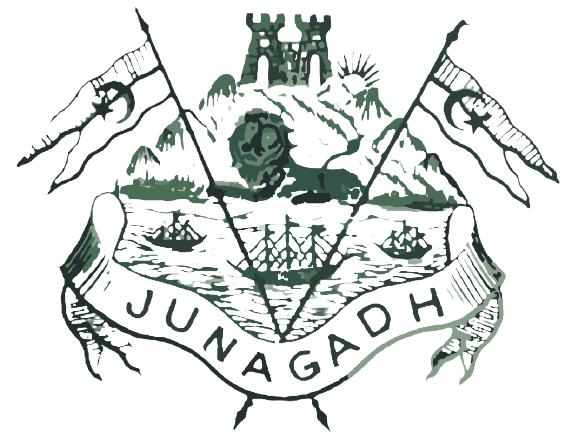
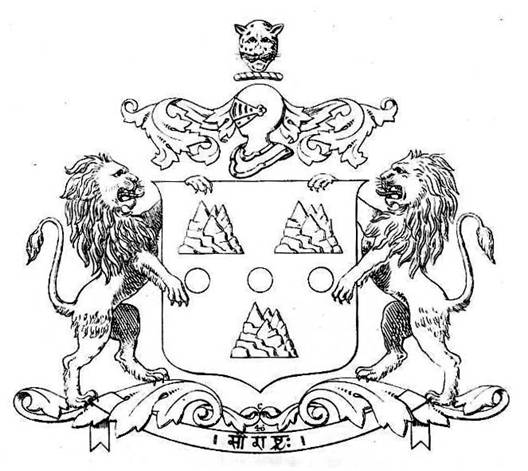
Junagadh State
Junagadh was a princely state on the Kathiawar peninsula in Gujarat, ruled by the Muslim Babi dynasty under British suzerainty; its 1947 accession dispute led to integration with India in 1948.
Overview
Junagadh was a princely state on the Kathiawar peninsula in western India whose capital was the city of Junagadh. Traditionally ruled by the Muslim Babi dynasty, the state existed under British paramountcy during the period of British India. It occupied a strategic position near the Gulf of Khambhat and had both agricultural hinterlands and coastal access.
Image gallery
10 Images





Rulers, society and administration
The ruling family—known as the Babis—were Muslims of Pashtun origin who established local authority in the 18th century. Despite the Muslim rulership, the majority of the population was Hindu. Under the colonial system Junagadh retained internal autonomy in many matters while acknowledging British suzerainty; local institutions and the Nawab’s court managed taxation, law, and public works.
Economy and geography
Junagadh’s economy combined agriculture, livestock rearing and trade through its port and nearby coastal settlements. The region’s landscape includes plains used for cropping and a coastline that historically supported fishing and coastal commerce. The city of Junagadh served as an administrative and cultural center for the surrounding districts.
Accession crisis of 1947–1948
At the end of colonial rule the Nawab chose to accede to Pakistan, a decision that proved controversial because Junagadh lay within the Indian subcontinent and had a largely Hindu population. The accession was contested by the Indian government on political and practical grounds. Indian forces moved into the territory following unrest and a provisional government emerged; a plebiscite held afterward produced a result favoring integration with India, and Junagadh was formally absorbed into the Indian union in 1948.
Aftermath and legacy
Following integration, Junagadh became part of the newly formed Saurashtra State and later merged into larger administrative units that eventually became the modern state of Gujarat. The episode is often cited in studies of princely state accession, minority rule, and the political reorganization that accompanied the end of colonial rule.
Notable facts
- Junagadh was one of several princely states in Kathiawar with semi-autonomous status under the British.
- The accession dispute highlighted tensions between dynastic choices and the demographic or geographic realities that shaped post-colonial borders.
- The state’s history remains significant for regional identity, architecture, and cultural heritage in present-day Gujarat.
Related articles
Author
AlegsaOnline.com Junagadh State Leandro Alegsa
URL: https://en.alegsaonline.com/art/51589
Sources
- members.iinet.net.au : Junagadh Princely State (13 gun salute)
- collectbritain.co.uk : Nawabs of Junagadh
- geocurrents.info : "Does Pakistan Claim Junagadh in the Indian State of Gujarat?"
- tns.thenews.com.pk : "Junagadh: Legally Pakistan"