
Kaji Khalak: The four chief Kaji families of the Shah-era Kingdom of Nepal
A concise account of the Kaji Khalak — the Thapa, Pande, Basnet and Kunwar families — hereditary Kaji nobles from the Kshatriya/Kshetri (Khas) community who shaped military and court affairs in historic Nepal.
Overview
The term Kaji Khalak refers to a cluster of influential noble lineages that held the hereditary title of Kaji in the courts of the Shah kings of Gorkha and later the Kingdom of Nepal. These families occupied top ministerial and military posts and together formed the principal aristocratic bloc that managed state affairs during the period of unification and the century that followed.
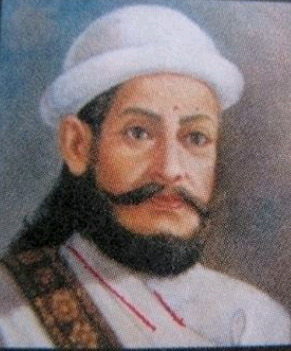
Image gallery
3 Images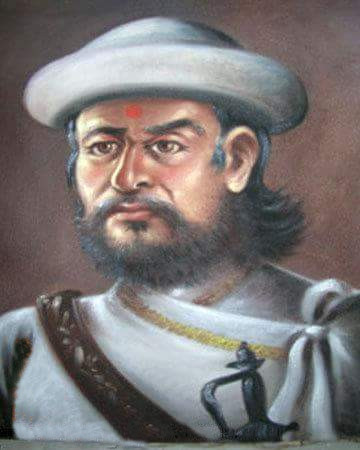

Social origin and status
Members of the Kaji Khalak belonged to the wider Khas social grouping and identified with the warrior varna. In modern terms they are associated with the Kshatriya tradition and the Kshetri caste. Their status combined landed wealth, military command, and hereditary court offices, which reinforced their political influence across generations.
Main families and structure
- Thapa — produced prominent ministers and military leaders who often served as de facto chiefs of government.
- Pande — a long-established family with many members in senior administrative and martial roles at court.
- Basnet — another leading clan whose members held key commands and regional responsibilities.
- Kunwar — a rising house that later became associated with the Rana prime ministers who dominated Nepalese politics in the 19th century.
Role and historical influence
As Kajis these families combined civil authority and military command: they advised the monarch, led armies, administered districts, and managed revenue. Rivalries among them shaped court politics, alliances and succession disputes. At times a single family dominated the prime ministership; at other times power shifted among competing houses. Their influence was central to the processes of territorial expansion, internal administration, and diplomatic dealings with neighboring states.
Distinctive features and legacy
Unlike short-lived officials, Kajis of the Kaji Khalak held hereditary privileges that tied office to family identity. This blending of lineage and state office contributed to both administrative continuity and factional conflict. Although the political landscape changed over the 19th and 20th centuries, descendants of these clans remain an important part of Nepal’s historical memory, and their careers are often studied to understand the evolution of Nepali statecraft.
Related groups
In addition to the four principal houses, other Kshatriya families such as the Bhandaris acted as junior or allied Kajis. Individual figures from these households also appear in court records and military rosters, illustrating a broader aristocratic network beyond the core Kaji Khalak.
For further contextual reading see sources on Nepali aristocracy, the Shah unification campaigns, and studies of hereditary offices in South Asian polities. Specific archival and biographical materials provide detailed accounts of prominent personalities from each family.
Questions and answers
Q: What is the Kaji Khalak family?
A: The Kaji Khalak family is a noble group of four families that served the senior most state affairs in the Kingdom of Nepal.
Q: Who belonged to the Kshatriya varna?
A: The members of the Kaji Khalak family belonged to the Kshatriya varna.
Q: What caste were they part of within Khas group?
A: They were part of the Kshetri caste within Khas group.
Q: What are the primary four families granted with hereditary title of Kaji?
A: The primary four families who were granted with hereditary title of Kaji were Thapa, Pande, Basnet and Kunwar.
Q: Who led minor members of the Kshetri Kaji group?
A: The family of noble Bhandaris led by Jasvanta Bhandari, Parath Bhandari, Gagan Singh Bhandari, etc were minor members of the Kshetri Kaji group.
Q: Where did these four families serve?
A: These four families served in court of Hindu Shah dynasty in Gorkha.
Q: How many noble families made up this group?
A: This group was made up five noble families including Thapa, Pande, Basnet and Kunwar as well as a family led by Jasvanta Bhandari, Parath Bhandari and Gagan Singh Bhandari.
Related articles
Author
AlegsaOnline.com Kaji Khalak: The four chief Kaji families of the Shah-era Kingdom of Nepal Leandro Alegsa
URL: https://en.alegsaonline.com/art/51921