
Johnny Guitar (1954 film) — overview, themes, and legacy
Johnny Guitar is a 1954 Western directed by Nicholas Ray and starring Joan Crawford and Sterling Hayden. Unconventional and stylized, it gained later acclaim and was preserved in the U.S. National Film Registry.
Overview
Johnny Guitar is a 1954 American Western that departs from many genre conventions. Directed by Nicholas Ray, the picture is known for its strong central performance, heightened melodrama, and distinctive visual choices. Though framed as a Western, the film emphasizes character conflict, social tension, and theatrical staging over classic frontier action.
Image gallery
2 Images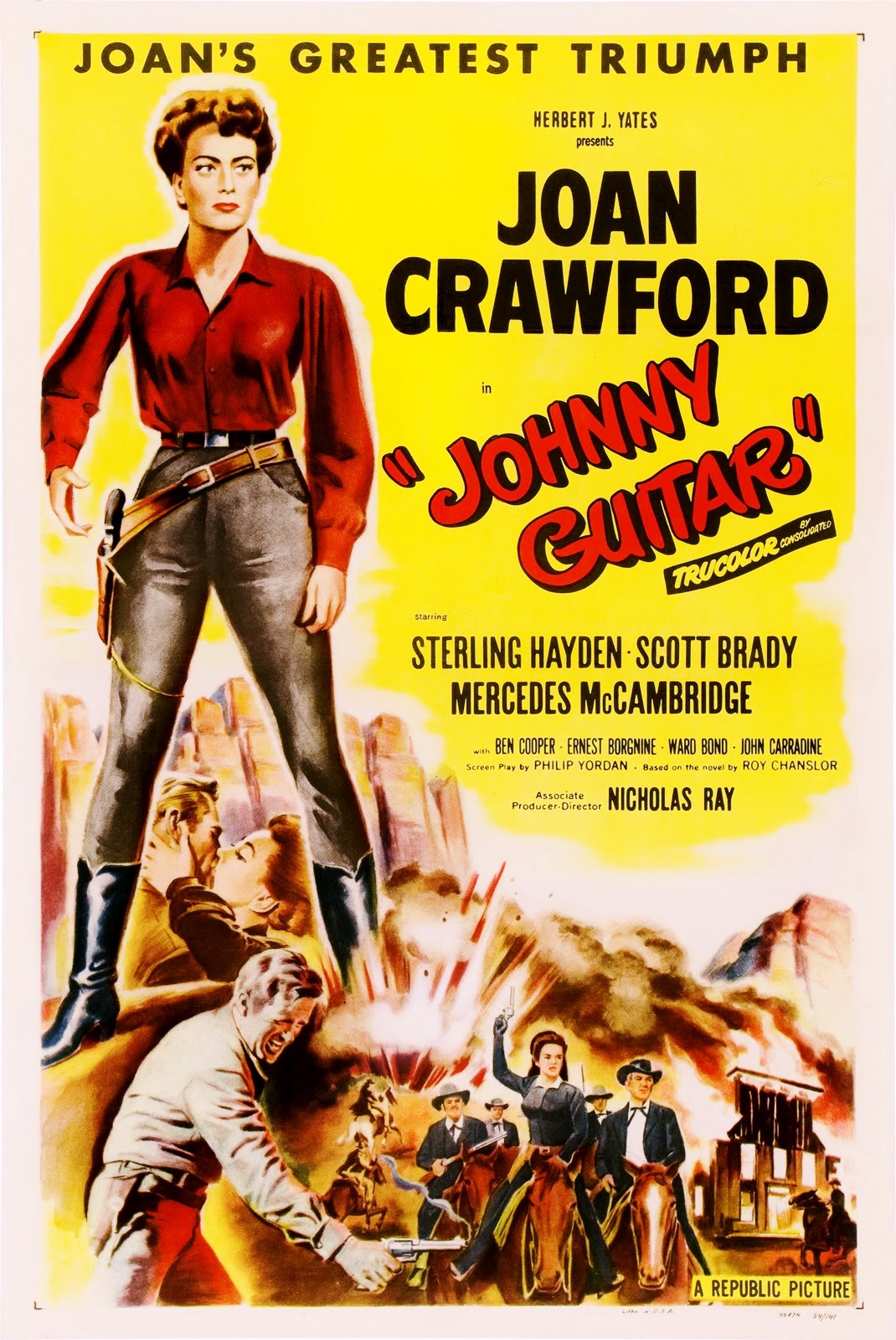

Principal cast and premise
The story focuses on the clashes between a determined saloon owner and a hostile local community, with a complicated relationship to an outsider. The lead roles are played by Joan Crawford and Sterling Hayden. Their interplay and rivalry drive much of the film’s drama rather than shootouts or cavalry engagements.
- Joan Crawford — leading role, a commanding presence unusual for Westerns of the time
- Sterling Hayden — co‑star and foil to Crawford’s character
Style and themes
Johnny Guitar is often remarked for its bold color palette and deliberately artificial sets, which give the film a theatrical or expressionist feel. Rather than realism, director Nicholas Ray used heightened imagery, close psychological focus, and melodramatic pacing to explore themes such as power, honor, jealousy, and community intolerance.
Reception and legacy
Upon release the film elicited mixed reviews: some critics were puzzled by its tone and stylization, while others praised the performances and visual daring. Over subsequent decades the movie has been reassessed by critics and scholars and gained a reputation as a cult favorite and an offbeat classic of the Western form. It has been recognized as culturally significant and selected for preservation in the United States National Film Registry.
Adaptations and influence
The film’s unusual blend of melodrama and genre elements inspired other artists and was adapted into a campy stage musical in 2004. Filmmakers, critics, and historians frequently cite Johnny Guitar when discussing gender roles in cinema, genre subversion, and the expressive possibilities of color filmmaking in the 1950s.
Notable facts and themes
- Notable for placing a woman at the center of a Western narrative and for its confrontational female dynamics.
- Often studied for its visual style, melodramatic tone, and psychological focus rather than for conventional Western action.
- Has attracted attention from film scholars and cinephiles as an influential, unconventional American picture.
Related articles
Author
AlegsaOnline.com Johnny Guitar (1954 film) — overview, themes, and legacy Leandro Alegsa
URL: https://en.alegsaonline.com/art/50891