
John Vanbrugh (1664–1726): English Playwright and Architect
John Vanbrugh was a leading late 17th–early 18th century English dramatist and architect, noted for Restoration comedy and bold Baroque buildings such as Castle Howard and Blenheim Palace.
Overview
John Vanbrugh (1664–1726) was an English dramatist and architect whose work left a marked impression on both the theatre and the built environment of his era. He achieved recognition first for sharp, often satirical comedies that engaged contemporary social manners, and later as a designer of large, theatrical country houses and public buildings. For a concise life summary see biography resources.
Image gallery
10 Images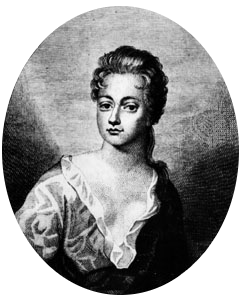


Literary career and major plays
Vanbrugh emerged in the 1690s as a practitioner of Restoration comedy. His plays are noted for energetic plotting, biting wit, and a readiness to expose hypocrisy and sexual politics. They were written for the London stage and remain studied as characteristic examples of late Restoration drama.
- The Relapse (1696) — a comedy that plays with themes of virtue and temptation.
- The Provok'd Wife (1697) — examines marriage, authority and desire.
- The Country House and The Confederacy — further stage successes.
- The Provok'd Husband — left incomplete and later finished by Colley Cibber (1728).
Readers interested in his dramatic output can consult collections and analyses at resources on his plays.
Architectural practice and style
Without formal architectural training, Vanbrugh brought a theatrical sensibility to building design. His architecture is often associated with the English Baroque: bold massing, dramatic silhouettes, and a preference for monumental, castle-like forms. He worked in partnership with Nicholas Hawksmoor on several important commissions, blending imagination with a practical mastery of large-scale projects.
- Castle Howard — a grand country house noted for its sweeping composition.
- Blenheim Palace — a large state commission that exemplifies the ambition of early 18th-century English Baroque; it involved disputes over cost and design that have become part of its history (Blenheim Palace).
- The original Haymarket Theatre — one of the theatrical buildings with which he was associated.
Further architectural commentary and images can be found through specialist architecture pages at architectural resources.
Legacy and reception
Vanbrugh's dual career is unusual and often remarked upon. His plays influenced later comic writers and remain valuable for their social observation and stagecraft. His buildings helped define an English Baroque vocabulary and influenced country-house design for decades. Opinions of his skill have varied: contemporaries praised his imagination while some later critics found his plans heavy-handed. Today many of his works are conserved and studied both for their artistic merits and their historical associations.
Notable facts
- He transitioned from a successful theatrical career to architecture without formal schooling in the discipline.
- Some of his most famous projects involved public controversy over expense, patronage, and taste — matters that highlight how architecture and politics were intertwined in his time.
- Vanbrugh's life and work are a frequent subject in studies of Restoration drama and of early 18th-century architecture; introductory guides and archival materials are available via the links above.
Related articles
Author
AlegsaOnline.com John Vanbrugh (1664–1726): English Playwright and Architect Leandro Alegsa
URL: https://en.alegsaonline.com/art/50842