
John Updike (1932–2009)
John Updike was an American novelist, poet and critic known for the 'Rabbit' novels and his depictions of mid‑century suburban life. He won two Pulitzer Prizes and wrote extensively for The New Yorker.
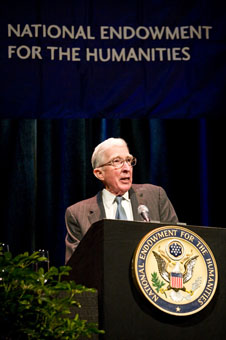
John Updike (March 18, 1932 – January 27, 2009) was a prolific American novelist, poet, short‑story writer and critic. He is best known for the series of novels that follow Harry "Rabbit" Angstrom and for stand‑alone works such as Couples. Updike was born in Reading, Pennsylvania and became a central figure in late 20th‑century American literature.
Image gallery
5 Images



Career and style
Updike produced dozens of books over a career that spanned more than five decades. He wrote fiction, poetry and literary criticism, and was a frequent contributor to The New Yorker. His prose is often noted for its attention to detail, formal control, careful metaphors and interest in the moral and spiritual lives of ordinary Americans.
Major works and themes
Many of Updike's works examine suburban life, marriage, sexuality, religion and aging. The best known grouping is the Rabbit tetralogy, which portrays a single character across changing social and historical contexts.
- Rabbit, Run (first of the Rabbit novels)
- Rabbit Redux, Rabbit Is Rich, Rabbit at Rest
- Couples and numerous short stories and poetry collections
Reception and legacy
Updike received major literary honors during his lifetime, including two Pulitzer Prizes for Fiction. Critics and readers praised his linguistic precision and sustained portrayals of American life, while some commentators questioned aspects of his handling of gender and sexuality. His work has been adapted for stage and screen and continues to be studied for its craft and cultural insight.
Death and continued interest
Updike died in Danvers, Massachusetts, of lung cancer in January 2009. His corpus remains influential for writers and scholars interested in realistic fiction, the evolution of postwar American culture, and the technical possibilities of prose. For a concise introduction to his life and writings see a general overview of his career as an American author.
Related articles
Author
AlegsaOnline.com John Updike (1932–2009) Leandro Alegsa
URL: https://en.alegsaonline.com/art/50840