
John Lambie (1941–2018): Scottish footballer and manager
Scottish football player and manager John Lambie made over 200 appearances for Falkirk and enjoyed a long managerial career, most notably in three spells with Partick Thistle, before his death in 2018.
Overview
John Lambie (19 March 1941 – 10 April 2018) was a well-known figure in Scottish football as both a player and a manager. He combined a lengthy playing career with several influential managerial appointments and became particularly associated with Partick Thistle. Lambie was widely respected for his loyalty to the clubs he served and for a distinctive personality that endeared him to supporters and colleagues.
Image gallery
2 Images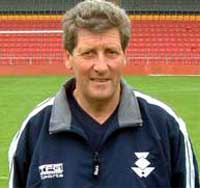

Playing career
Lambie spent much of his playing life with Falkirk, making more than 200 appearances for the club and becoming a familiar presence at Brockville Park. He also enjoyed a productive spell with St Johnstone, contributing consistently during his time there. While information about exact positions and statistics varies between sources, his durability and commitment as a professional player are commonly noted in contemporary accounts.
Managerial career
After retiring as a player, Lambie moved into coaching and management. He is best known for three separate spells in charge of Partick Thistle, steering the club through times of hardship and sporting challenge. His leadership helped guide the team back to the top division of Scottish football, the Scottish Premier League, and he is remembered for securing promotions and stabilising the club during financial difficulty.
- Managed Partick Thistle on three occasions, becoming a club stalwart.
- Held managerial roles at Hamilton Academical and at his former club, Falkirk.
- Known for pragmatic team-building and a no-nonsense approach to leadership.
Style and legacy
Lambie was noted for his plain-spoken manner, often displaying a wry sense of humour and a forthright presence on the touchline. Supporters frequently recall his personal warmth and willingness to defend his players, traits that contributed to a lasting affection among the clubs he served. His ability to work with limited resources and to steady teams during crises stands out in assessments of his career.
Death and remembrance
John Lambie died on 10 April 2018 at the age of 77. His passing was attributed to pneumonia. Tributes from clubs, former players and fans highlighted his influence on Scottish football and the high regard in which he was held. Obituaries and remembrances emphasised both his achievements on the pitch and his distinctive personality off it, ensuring he remains a remembered figure in the game.
Related articles
Author
AlegsaOnline.com John Lambie (1941–2018): Scottish footballer and manager Leandro Alegsa
URL: https://en.alegsaonline.com/art/50706
Sources
- ptfc.co.uk : "John Lambie"