
John Macarthur (1766–1834) — Pioneer of the Australian wool industry
British army officer, colonial entrepreneur and pastoralist who established Merino sheep breeding in New South Wales and whose estates and actions shaped early Australian wool production.
Overview
John Macarthur (1766–11 April 1834) was a British army officer, businessman and colonial politician whose agricultural experiments and commercial efforts laid foundations for Australia’s wool industry. He is closely associated with early Merino sheep breeding in New South Wales and is remembered for his large estates, his role in colonial politics, and the surviving historic homestead Elizabeth Farm in Parramatta.
Image gallery
8 Images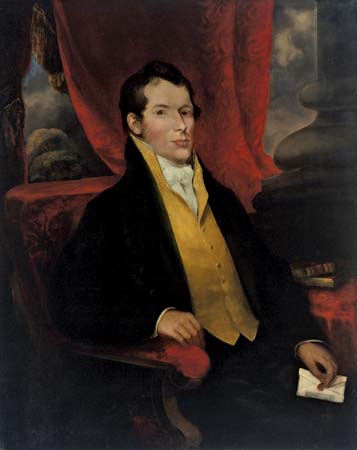


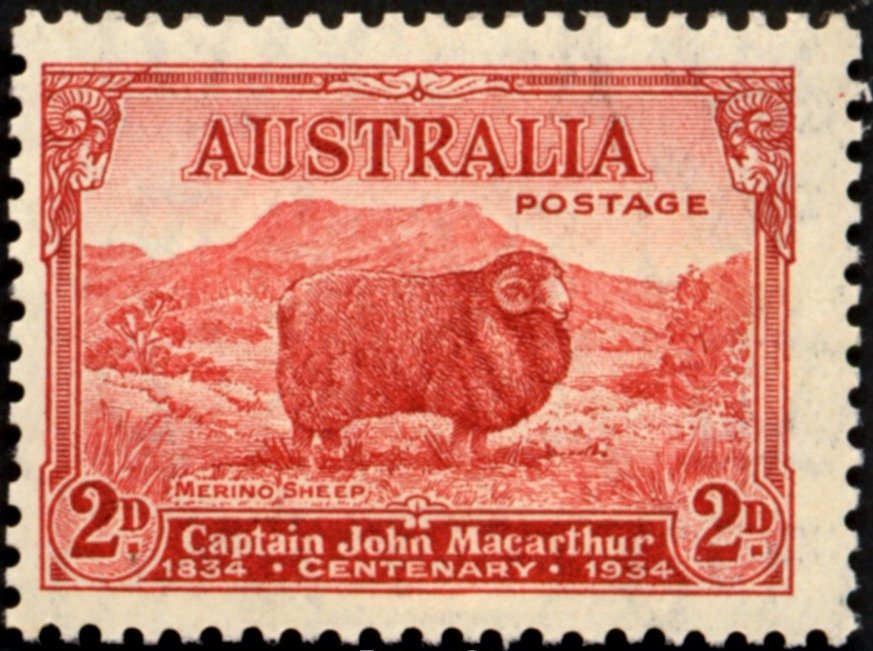

Early life and colonial career
Trained in the military, Macarthur served with the New South Wales Corps after arriving in the colony. Contemporary accounts describe him as ambitious and entrepreneurial: he combined his military position with private ventures in farming and livestock. He married Elizabeth, who managed much of the household and estate affairs; their home, Elizabeth Farm, survives as a museum and illustrates the domestic and agricultural life of the period.
Sheep breeding and pastoral development
Macarthur was a central figure in importing and developing Merino sheep in the colony. Through selective breeding and large pastoral runs, he and his associates established flocks whose wool quality and quantity helped transform wool into a principal export commodity. These activities required extensive landholdings and labour, and they contributed to the expansion of pastoralism across the region.
Politics, conflict and controversy
Macarthur’s business interests brought him into frequent conflict with colonial authorities. He played a prominent part in the factional politics of early New South Wales, including involvement in the events known as the Rum Rebellion that challenged Governor William Bligh’s authority. His methods and influence—land accumulation, use of assigned labour and close ties to the military corps—made him a polarising figure in his lifetime and for later historians.
Legacy and significance
- Economic impact: Macarthur’s promotion of Merino breeding helped establish wool as a cornerstone of the colony’s economy and export trade.
- Cultural heritage: Elizabeth Farm and the Camden estates are important historic sites illustrating early colonial agriculture and domestic life.
- Contested memory: historians recognize both his entrepreneurial role and the social consequences of pastoral expansion, including displacement of Indigenous peoples and consolidation of wealth.
Further reading and links
To explore aspects of his career, see resources on his military service as a soldier, his political activities as a politician, and his central role in the development of the Australian wool industry.
Macarthur remains a key example of how individual initiative, imperial connections and colonial institutions combined to shape Australia's agricultural beginnings. His life illustrates both the economic opportunities and the social tensions of early settler society.
Related articles
Author
AlegsaOnline.com John Macarthur (1766–1834) — Pioneer of the Australian wool industry Leandro Alegsa
URL: https://en.alegsaonline.com/art/50718
Sources
- adb.online.anu.edu.au : Macarthur, John (1767 - 1834)