
Johanna Spyri
Johanna Spyri (1827–1901) was a Swiss writer who wrote in German and is best known for Heidi, a children's novel that popularized alpine life and themes of nature, health, and moral education.
Overview
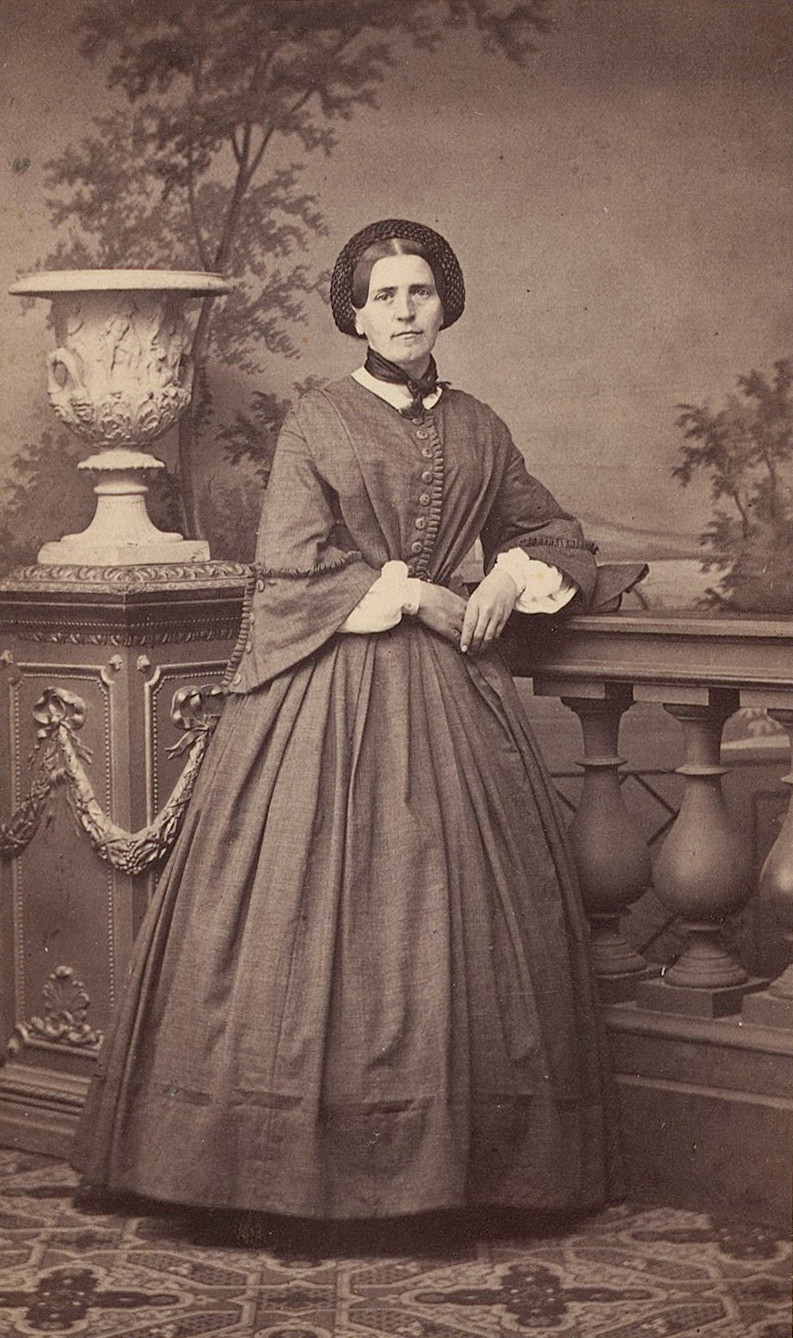
Johanna Spyri was a Swiss author of children's fiction, born on 12 June 1827 and passing away on 7 July 1901. She wrote in German and achieved lasting fame through a single title that came to represent pastoral childhood in popular culture: Heidi. Her work reflects a 19th‑century interest in childhood, moral instruction and the restorative effects of nature.
Image gallery
4 Images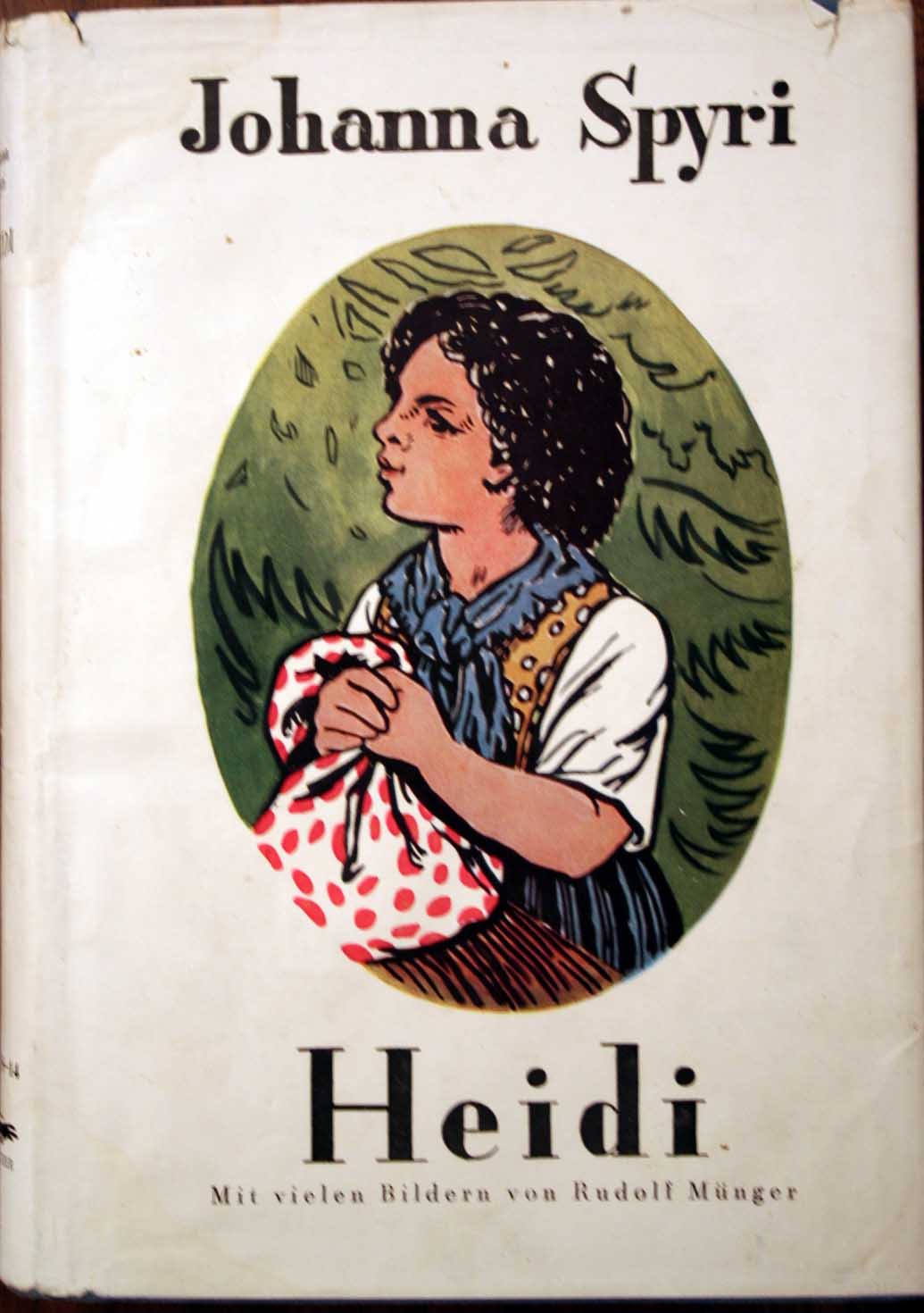


Life and context
Spyri lived and worked in Switzerland during a period when national identities and local landscapes were being shaped and celebrated in literature. Although she produced many shorter stories and novellas for young readers, her reputation rests largely on the clear, empathetic voice she brought to portraits of rural life and family relations. She wrote for a readership that valued simplicity, piety, and the practical virtues of everyday life.
Heidi and other works
Heidi tells the story of a young orphaned girl raised in the Alpine mountains and the people who influence her development. The narrative contrasts urban and rural environments, emphasizes the therapeutic qualities of fresh air and open space, and celebrates kindness, resilience and domestic virtue. Spyri also published numerous shorter tales addressing similar themes and aimed at the moral and emotional education of children.
Style, themes and reception
Her prose is direct and accessible, combining descriptive passages of landscape with everyday dialogue. Major themes include the healing power of nature, the importance of family and community ties, child welfare and simple religious or ethical instruction. From the late 19th century onward, Heidi was widely translated and adapted for stage, film and television, making Spyri's image of the Alps and rustic childhood widely familiar beyond the German‑speaking world.
Legacy
Johanna Spyri's work remains a reference point in studies of children's literature and cultural representations of Switzerland. Heidi, in particular, has influenced tourism, adaptations in multiple media and ongoing discussions about how literature shapes perceptions of childhood and place. Spyri is remembered for giving voice to a kind of moral realism shaped by compassion and a belief in the restorative value of nature.
- Primary language: German.
- Best known work: Heidi.
- Topics: childhood, nature, moral education, rural life.
Related articles
Author
AlegsaOnline.com Johanna Spyri Leandro Alegsa
URL: https://en.alegsaonline.com/art/50517
Sources
- bna.galegroup.com : bna.galegroup.com/bna/start.do?p=BNA&u=gale